IMI with the support of National Mission on Himalayan Studies (NMHS) under Ministry of Environment, Forest and climate Change (MOEFCC) and G. B. Pant National Institute of Himalayan Environment, Kosi-Katarmal, has undertaken in-depth study on the state of agro-ecosystems in selected areas of the IHR to document climate resilient farming practices and develop strategies for upscaling good practices covering the states of Himachal Pradesh, Uttarakhand and Sikkim.
The Himalayan region is characterized by a wide range of agro-climatic regions and farming systems. The region also harbours a multitude of cultures and ethnic groups who have inherited tremendous knowledge on the farming systems and have conserved numerous land races and crop varieties including millets, cereals, pseudo-cereals, and vegetable crops since centuries. The local communities have continuously selected, experimented and developed different cropping patterns which are time tested and suited to local climate. Many crop varieties, especially millets and pseudo-cereals have survived and withstood climatic variation and extreme climatic events. Apart from being a source of food, they provide fodder for cattle which thereby reduces the pressure on grazing fields and forests and helps to balance the delicate ecosystem in the Himalayan region. However, information on climate resilient crop varieties and ability of traditional crops to withstand climate variability have not been investigated and documented adequately. Information on these parameters would be crucial to make mountain agriculture climate resilient, economically gainful and nutritionally secure. Finally to add value to our existing crop systems for long term sustainable management.
This project would be implemented in three border districts in the Indian Himalayan Region (IHR), covering three valleys—one each in Himachal Pradesh, Uttarakhand, and Sikkim. In each valley, a few border villages, identified by the Ministry of Home Affairs, Government of India, for overall development as Vibrant Villages, have been selected in consultation with the respective State Governments.
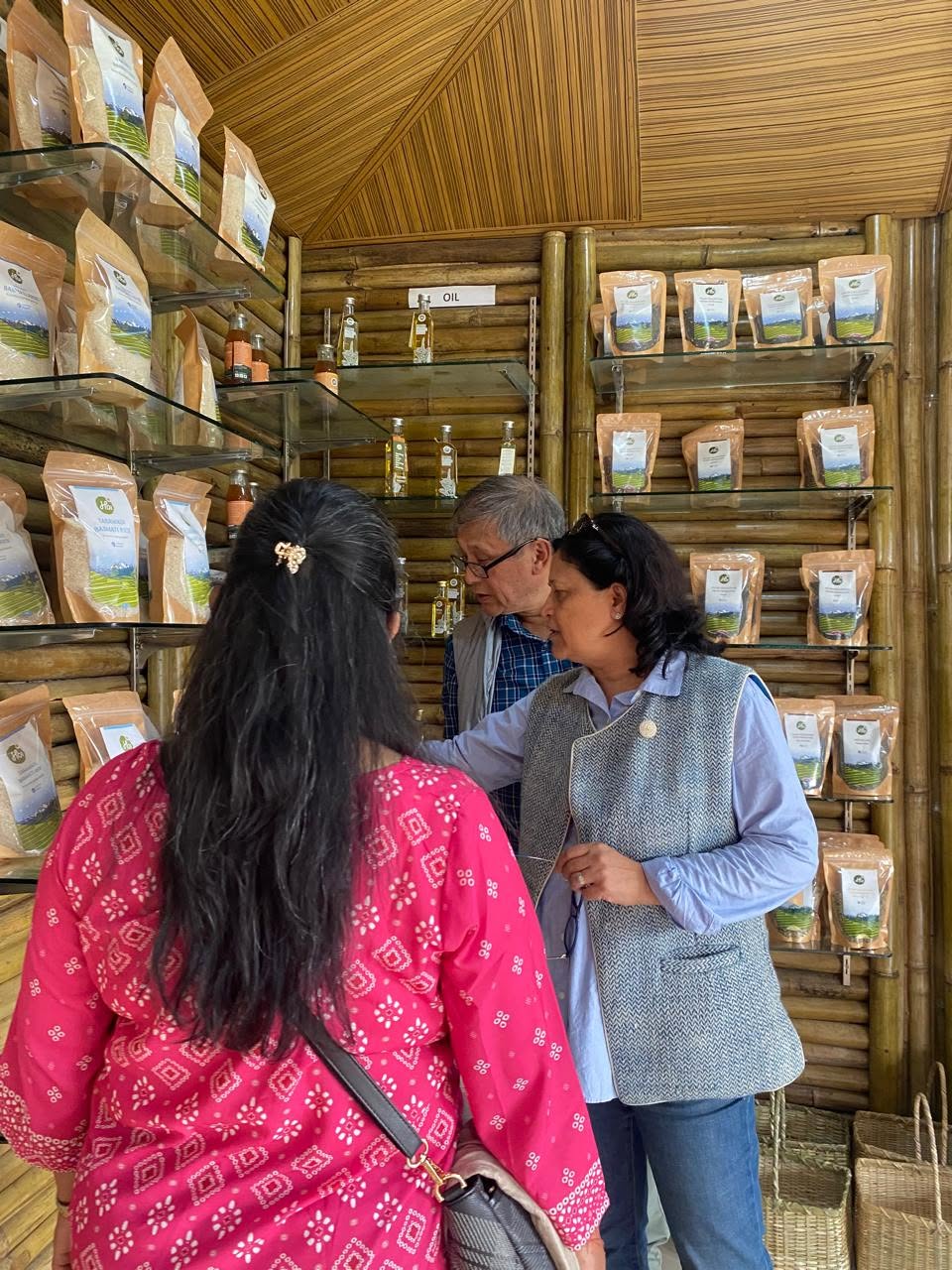
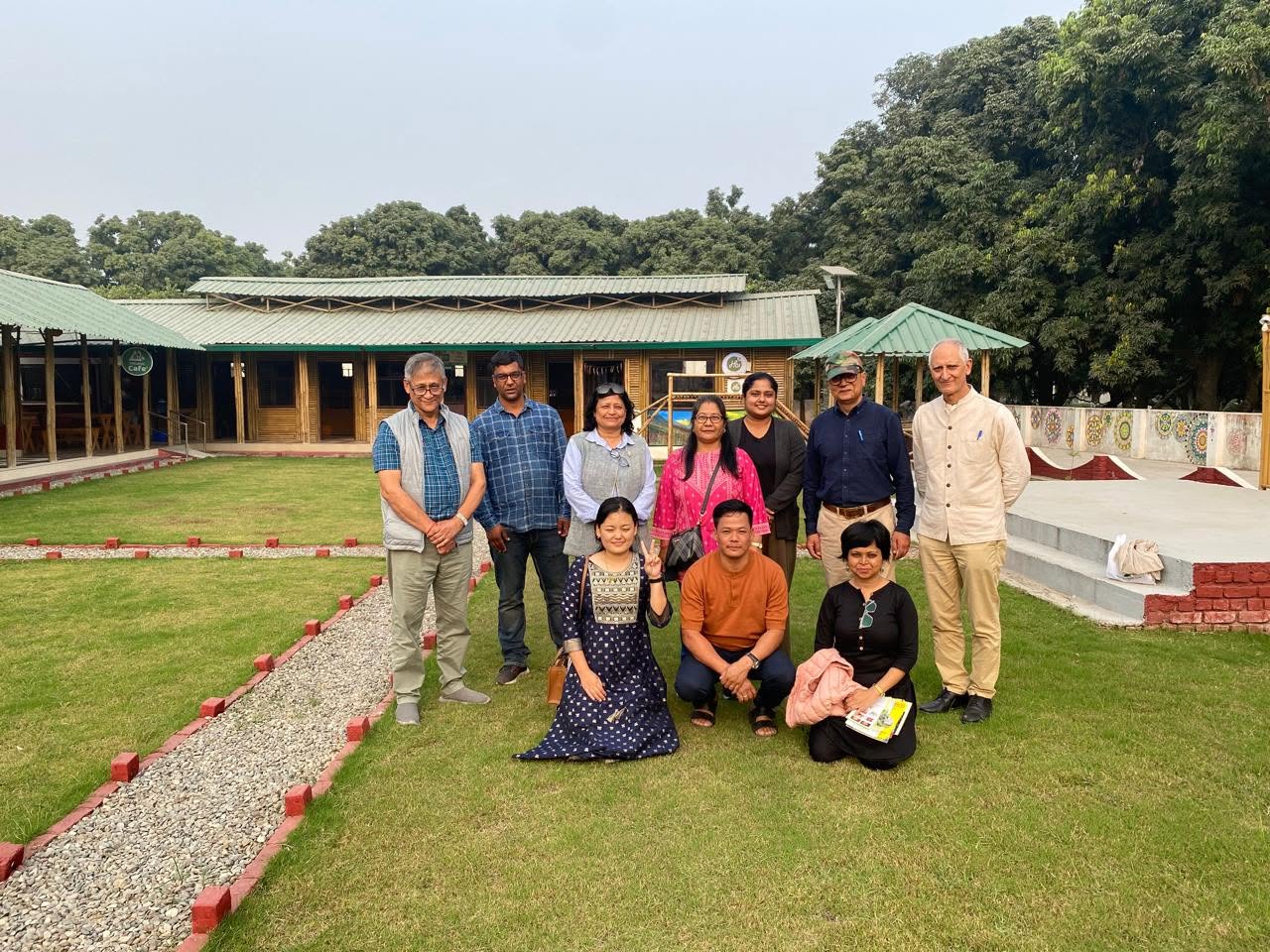
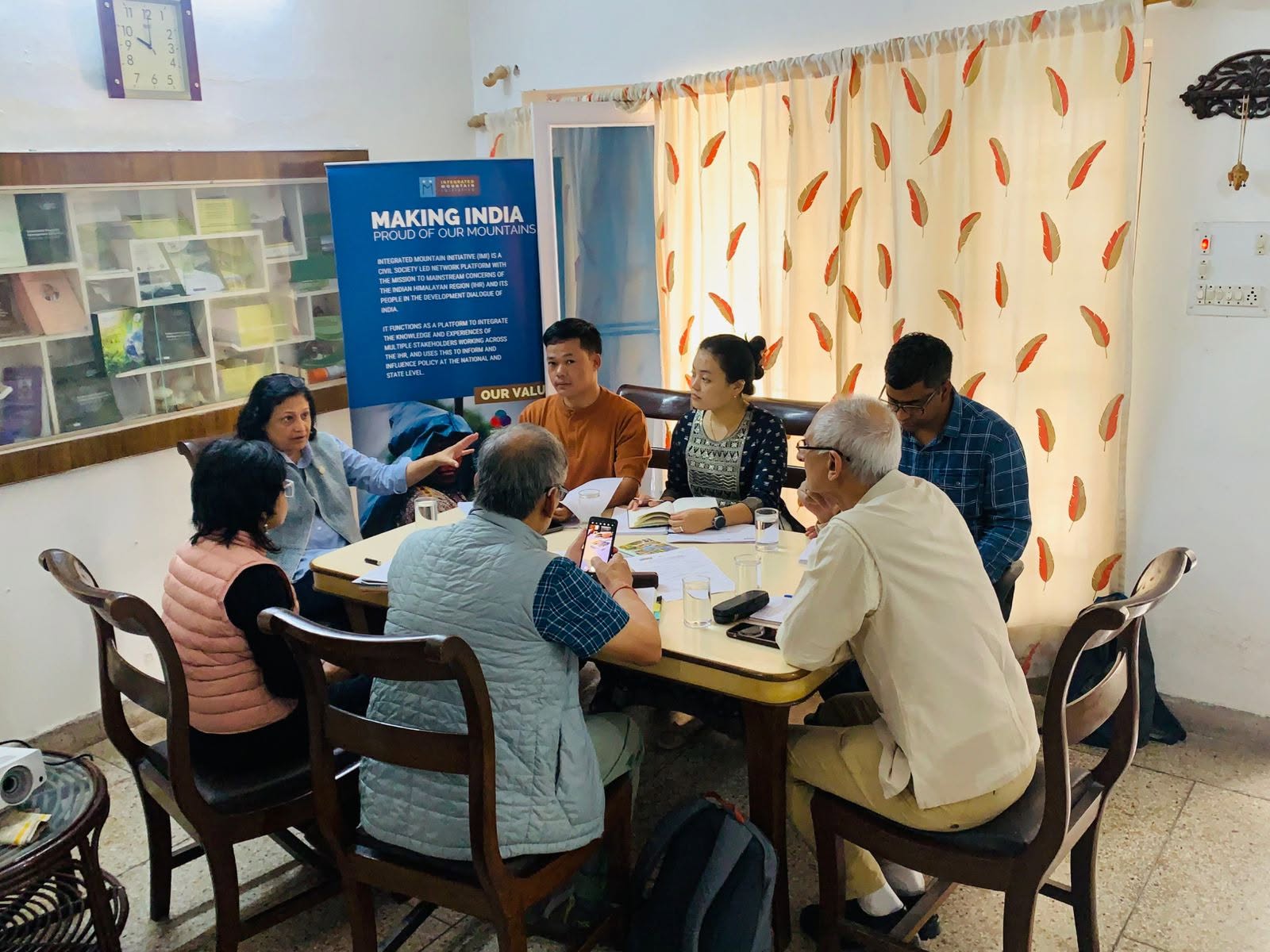
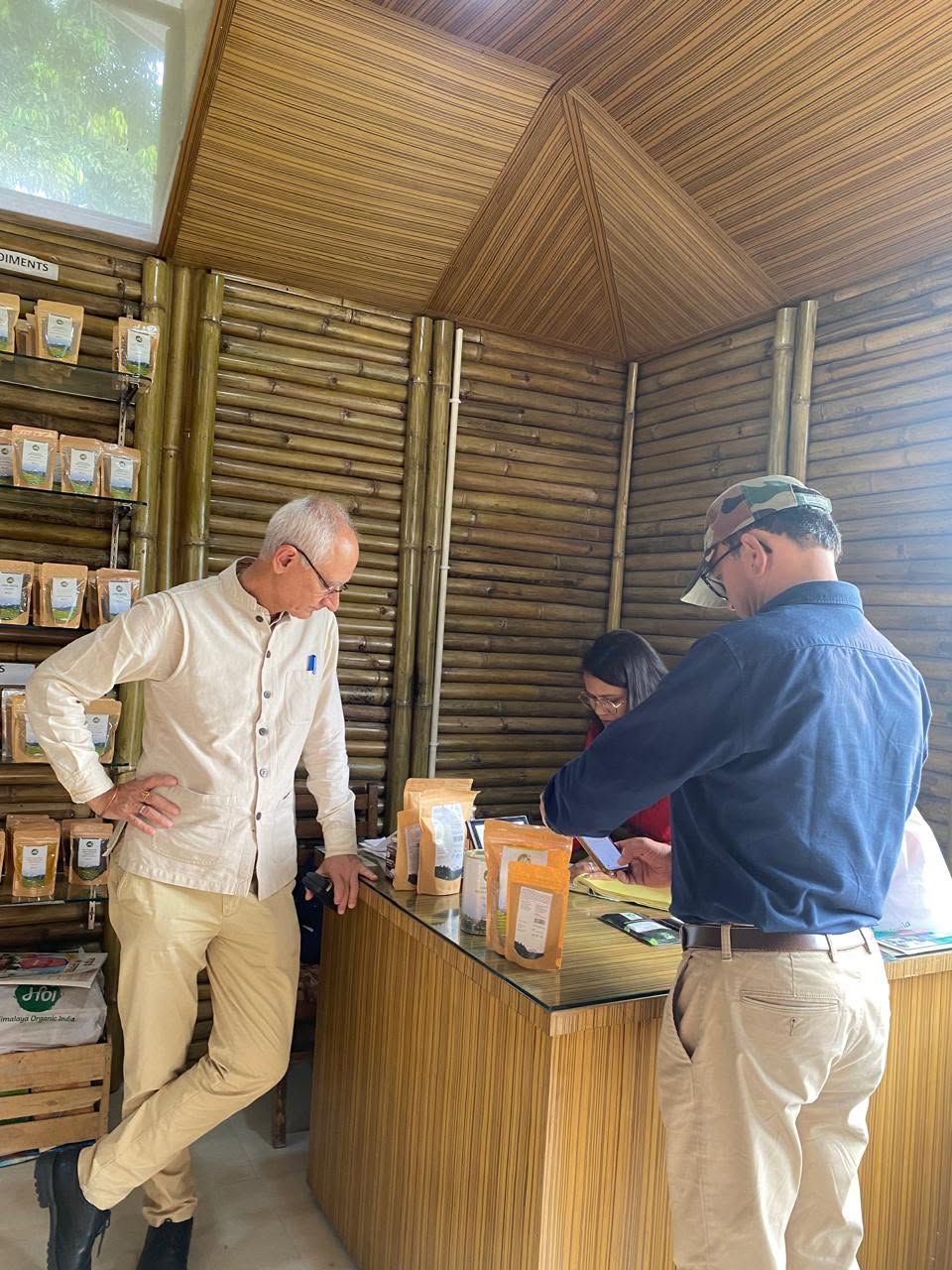
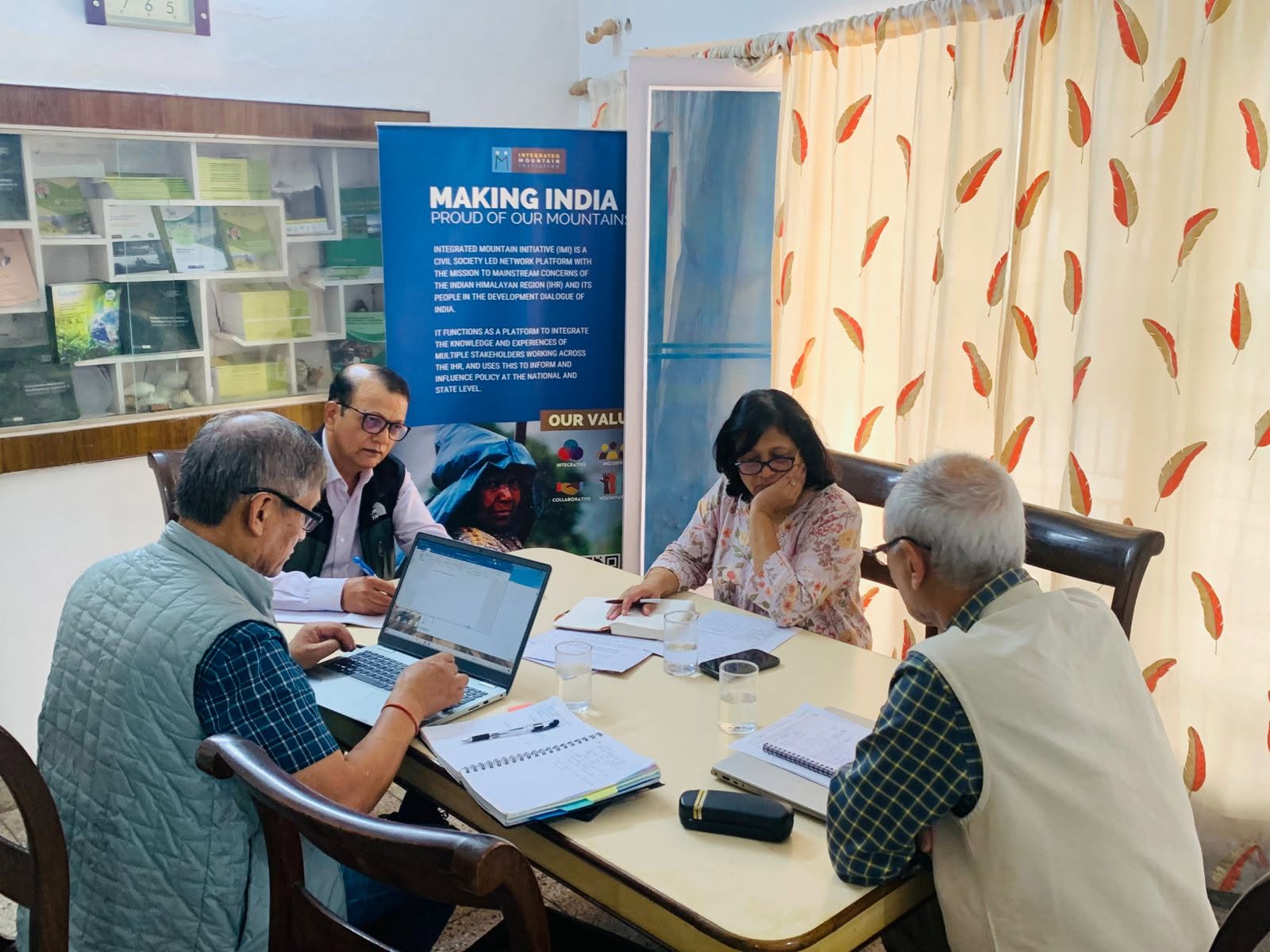
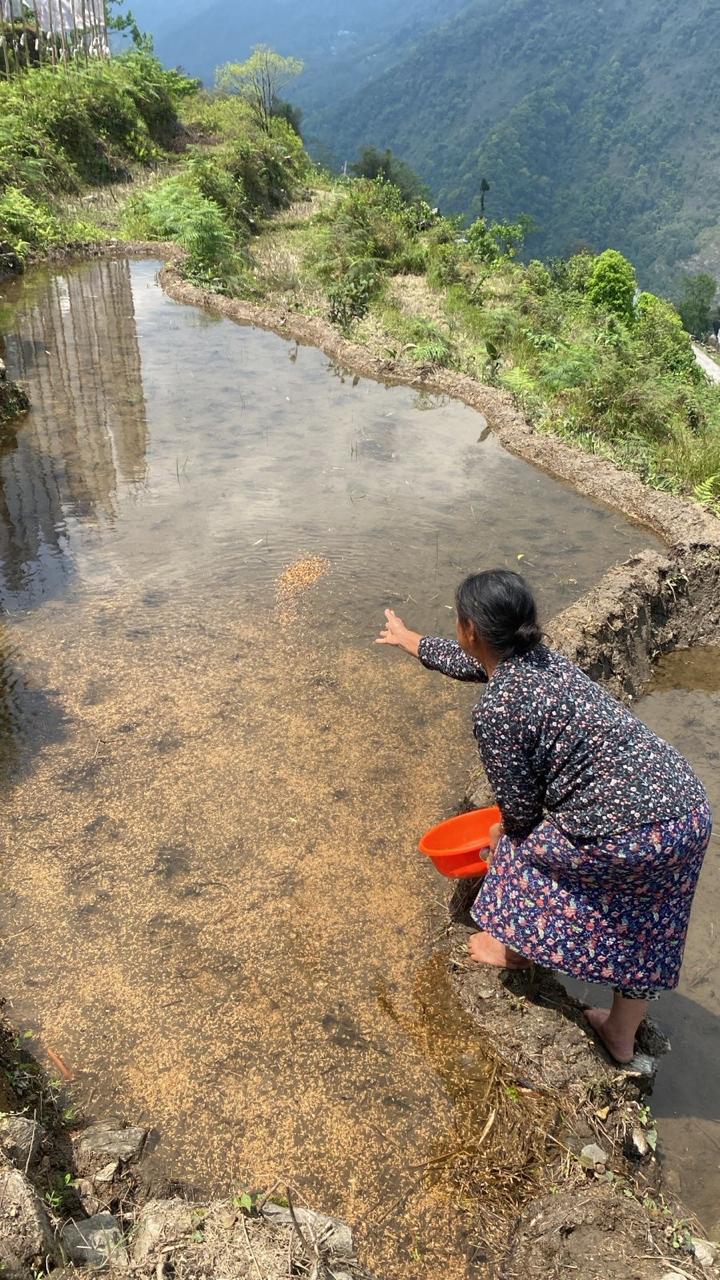
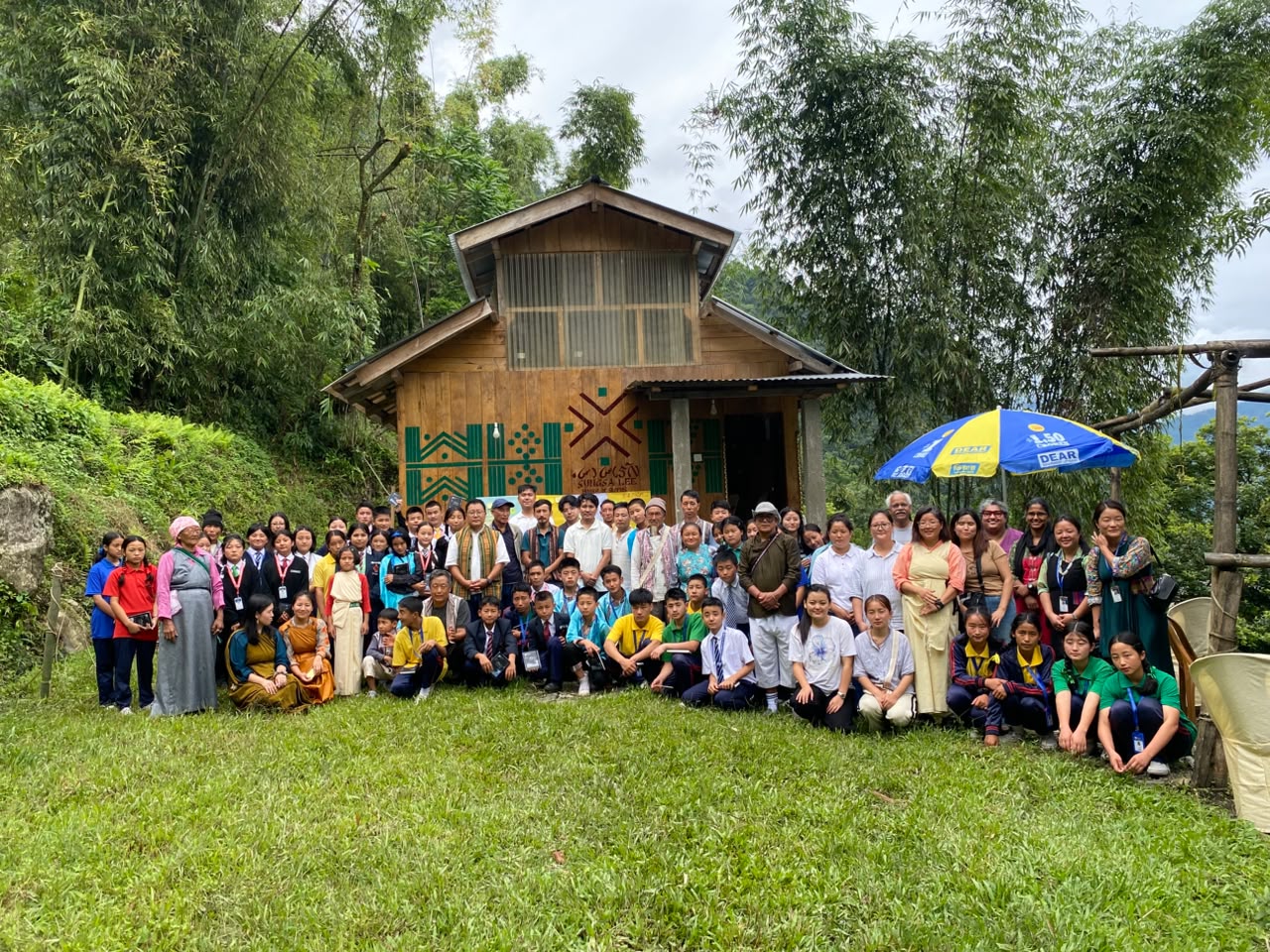
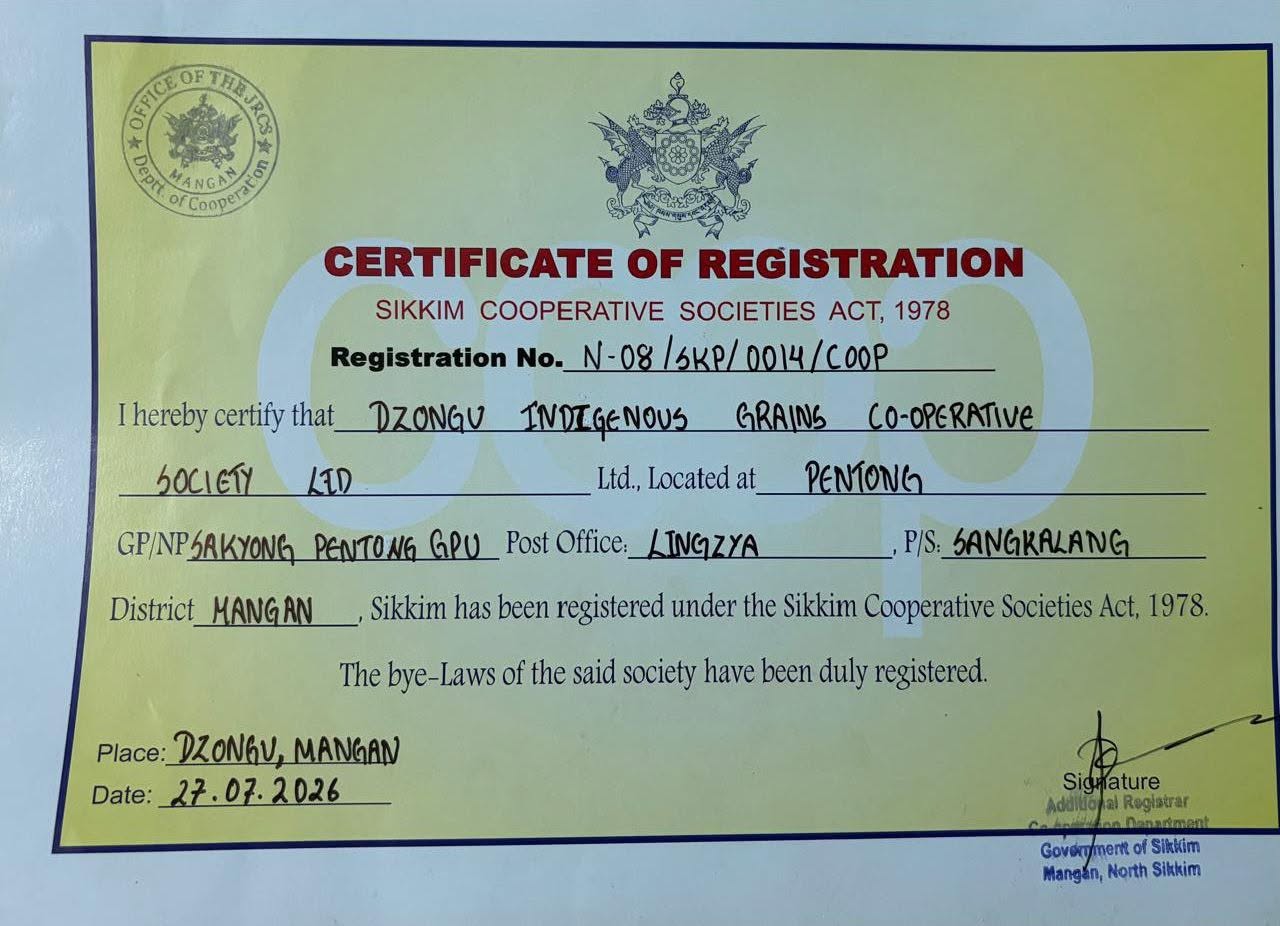
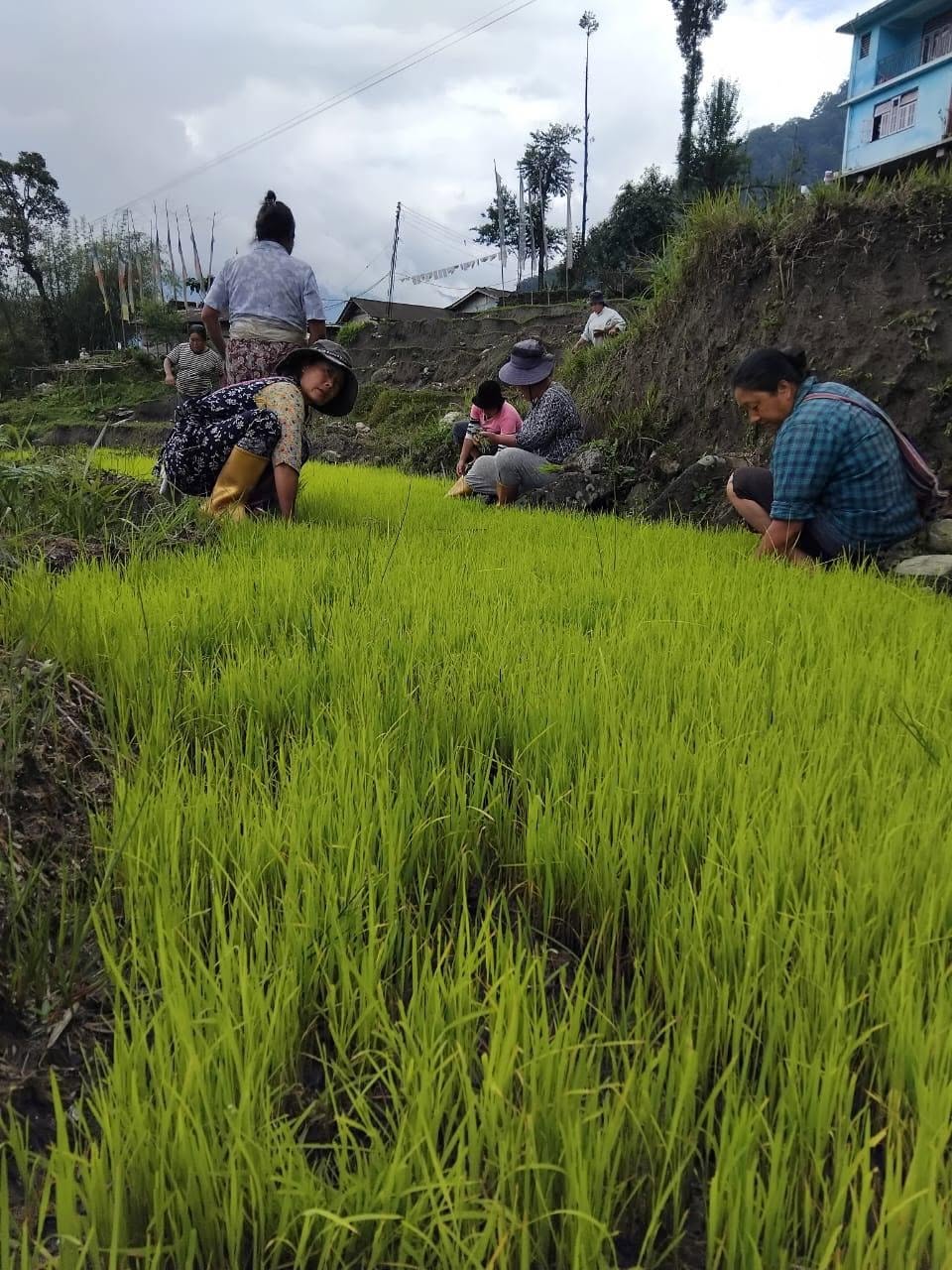
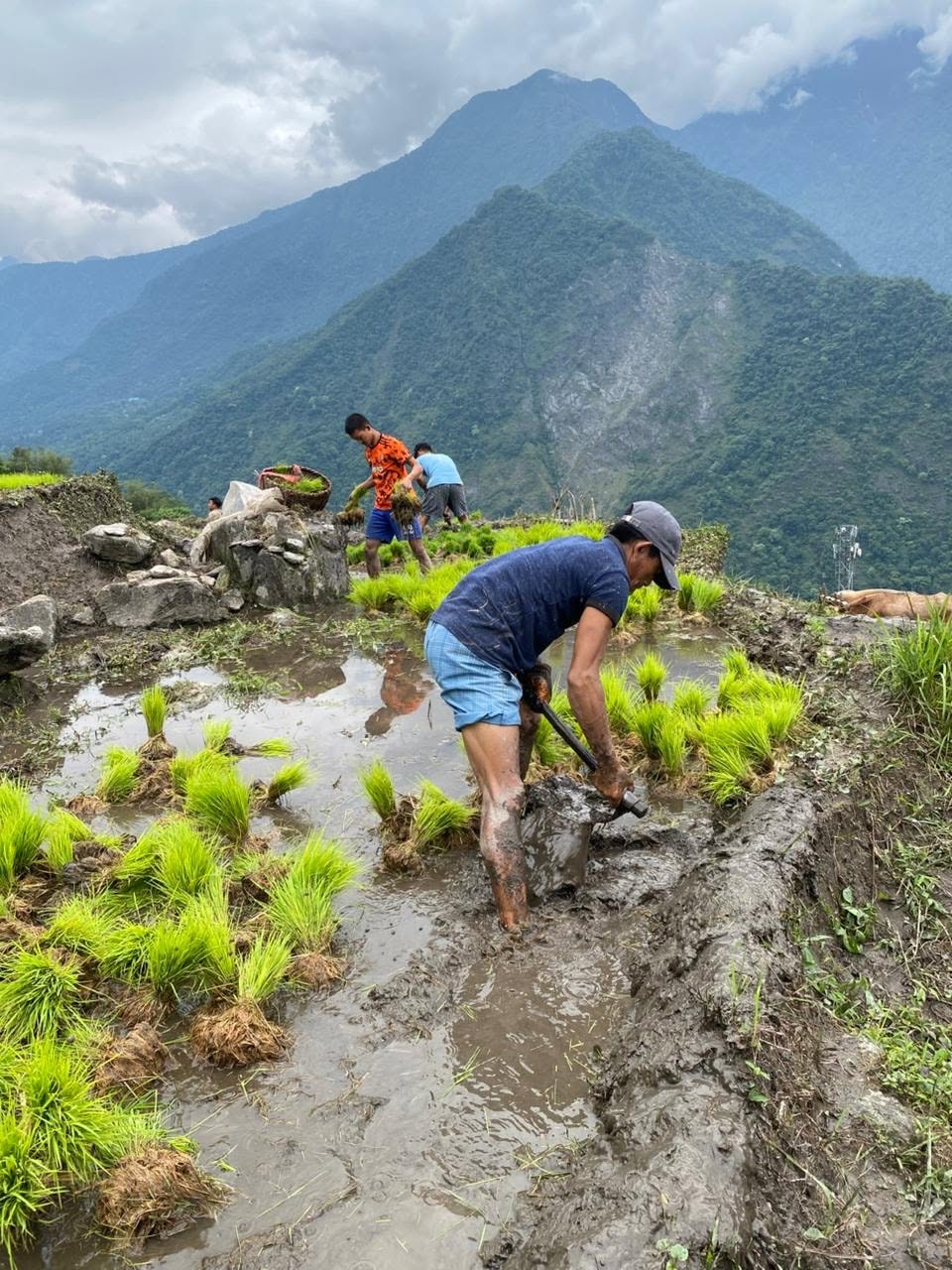
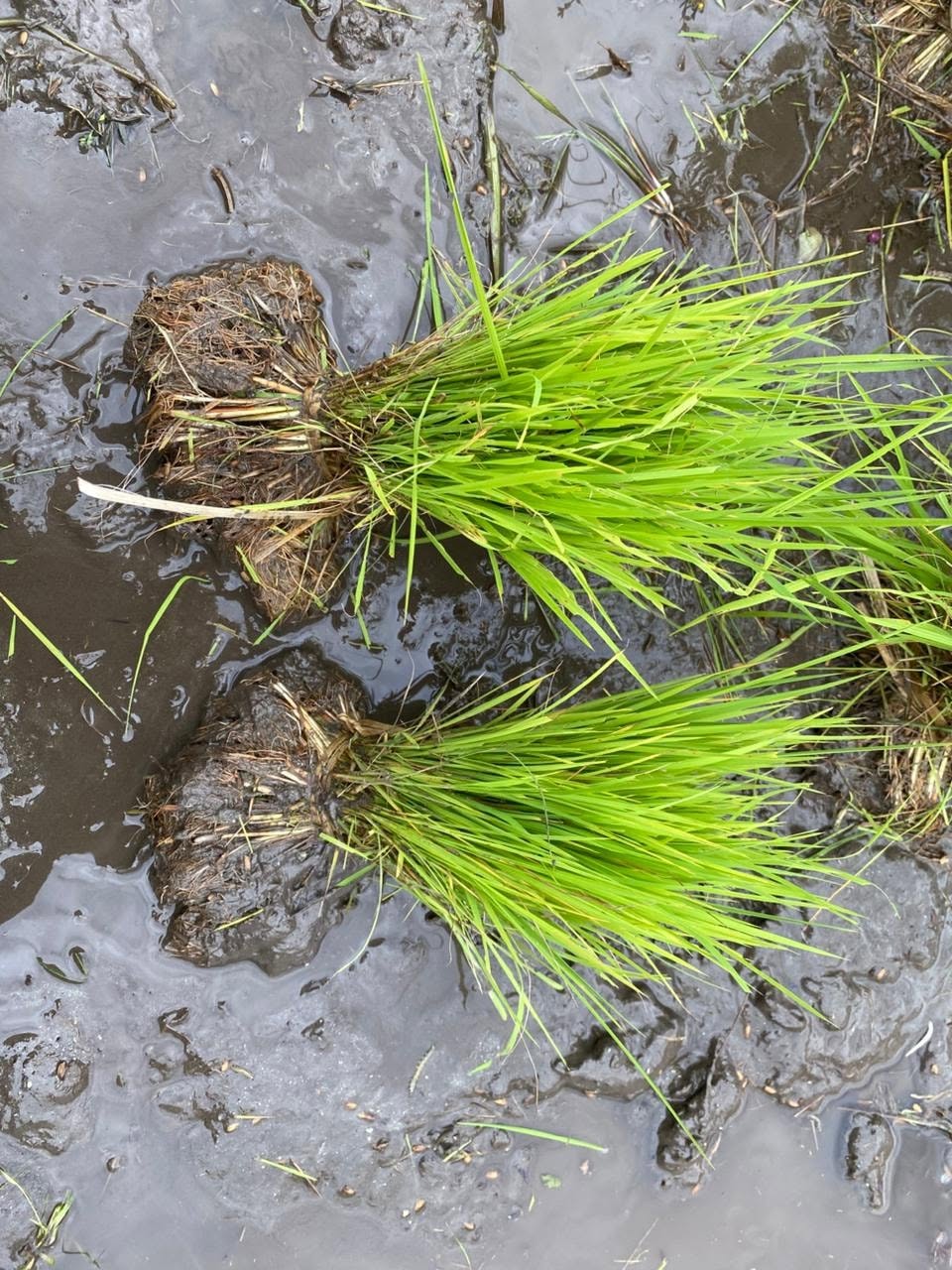
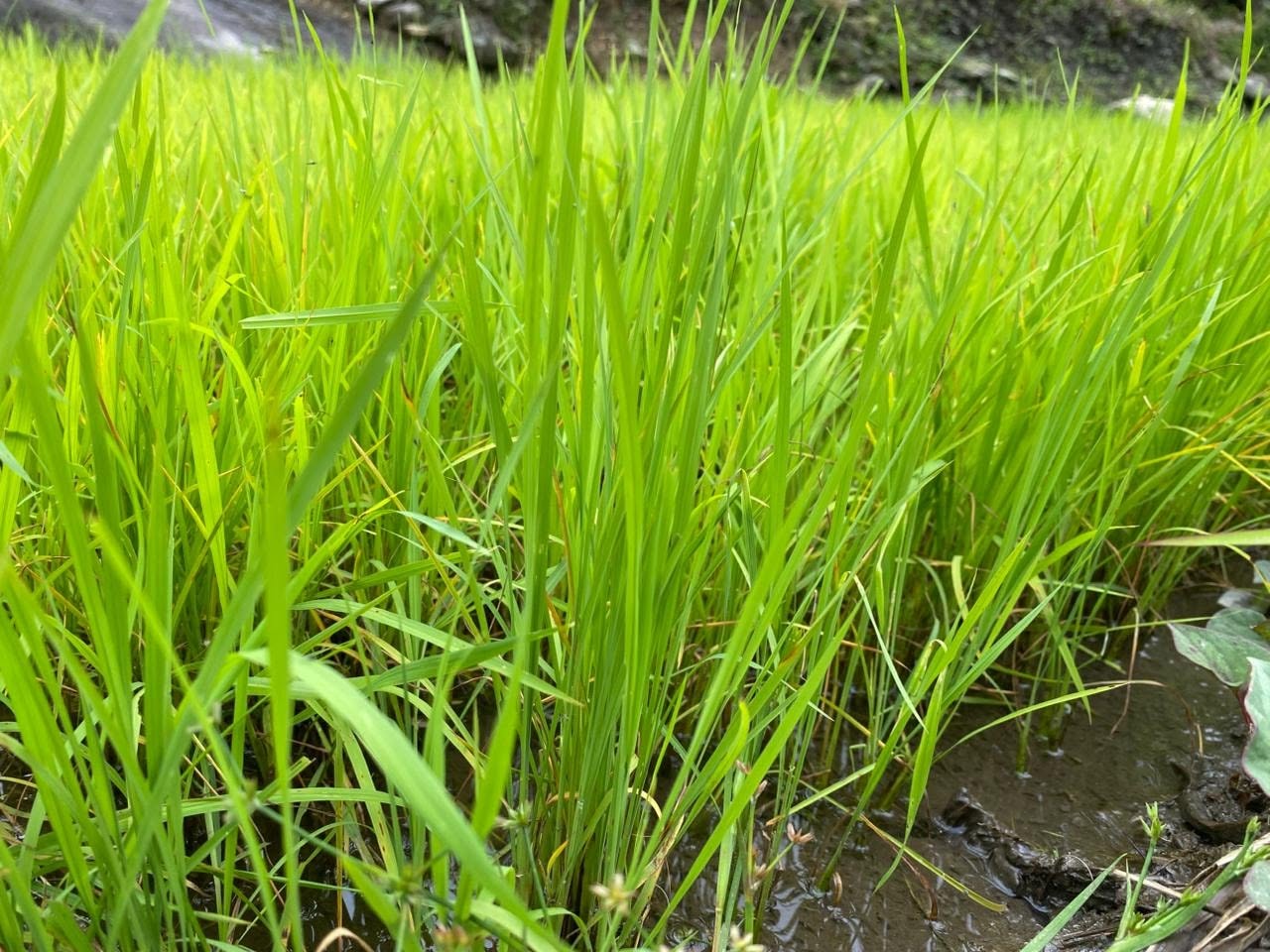
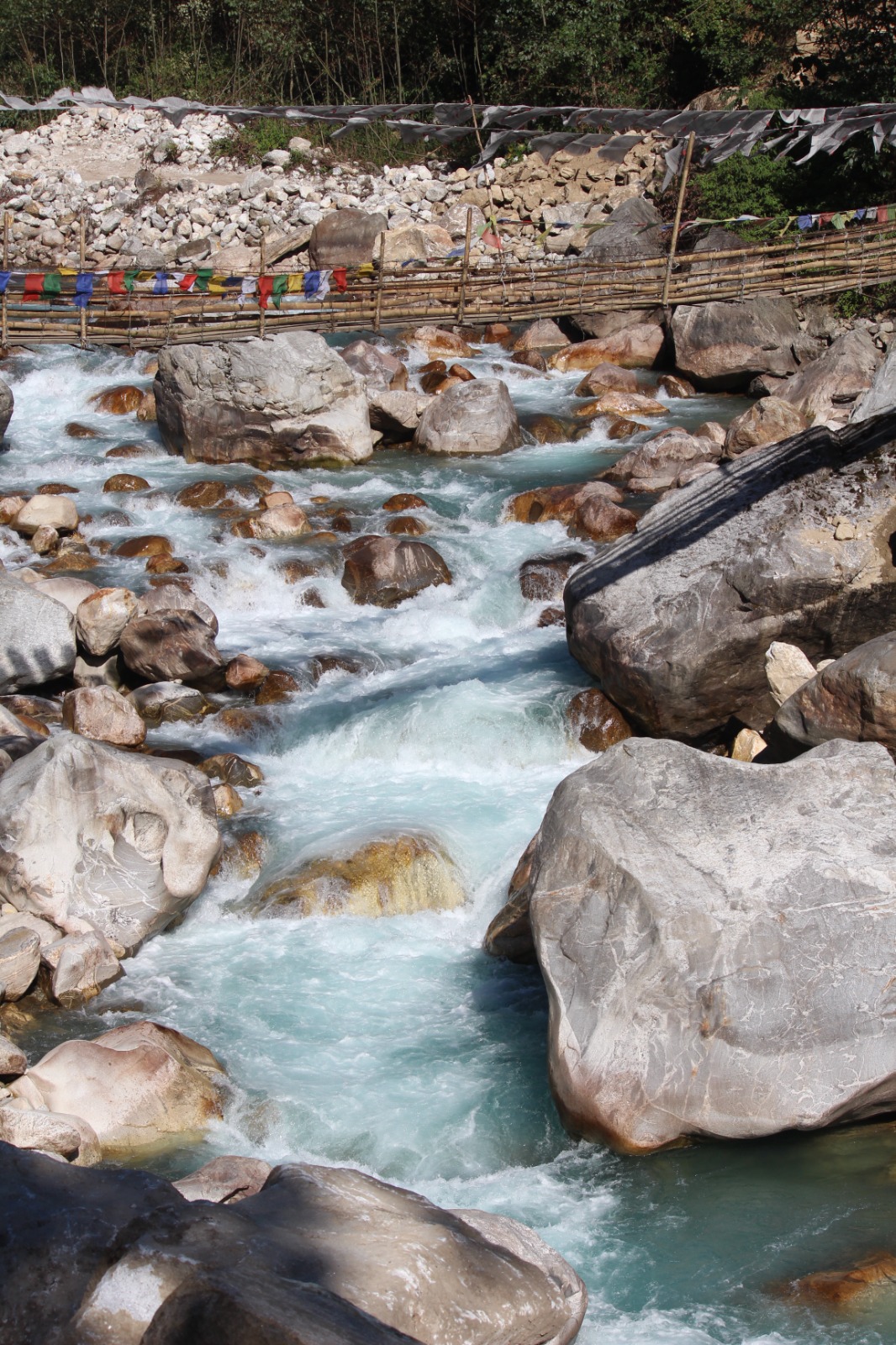
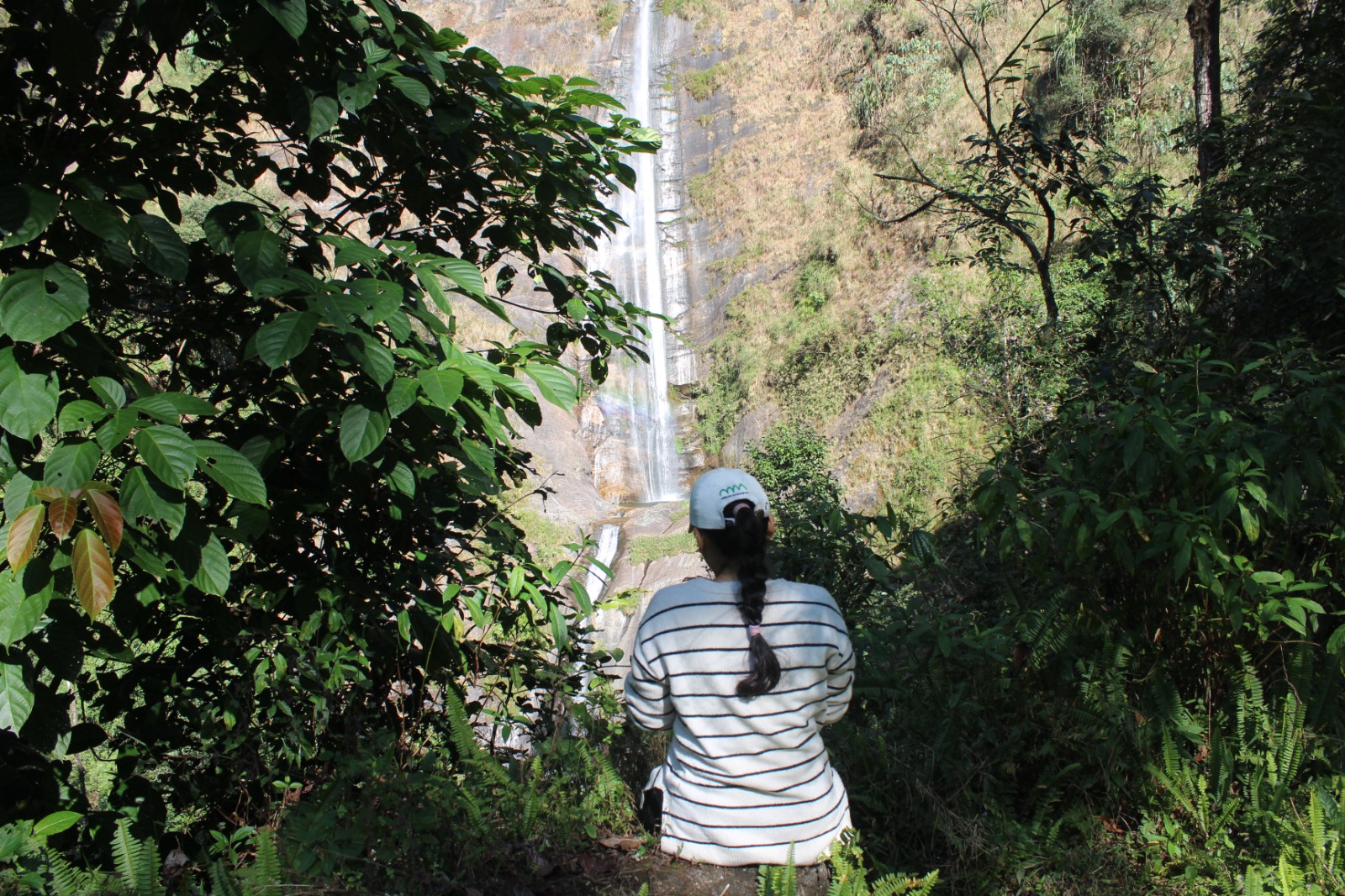
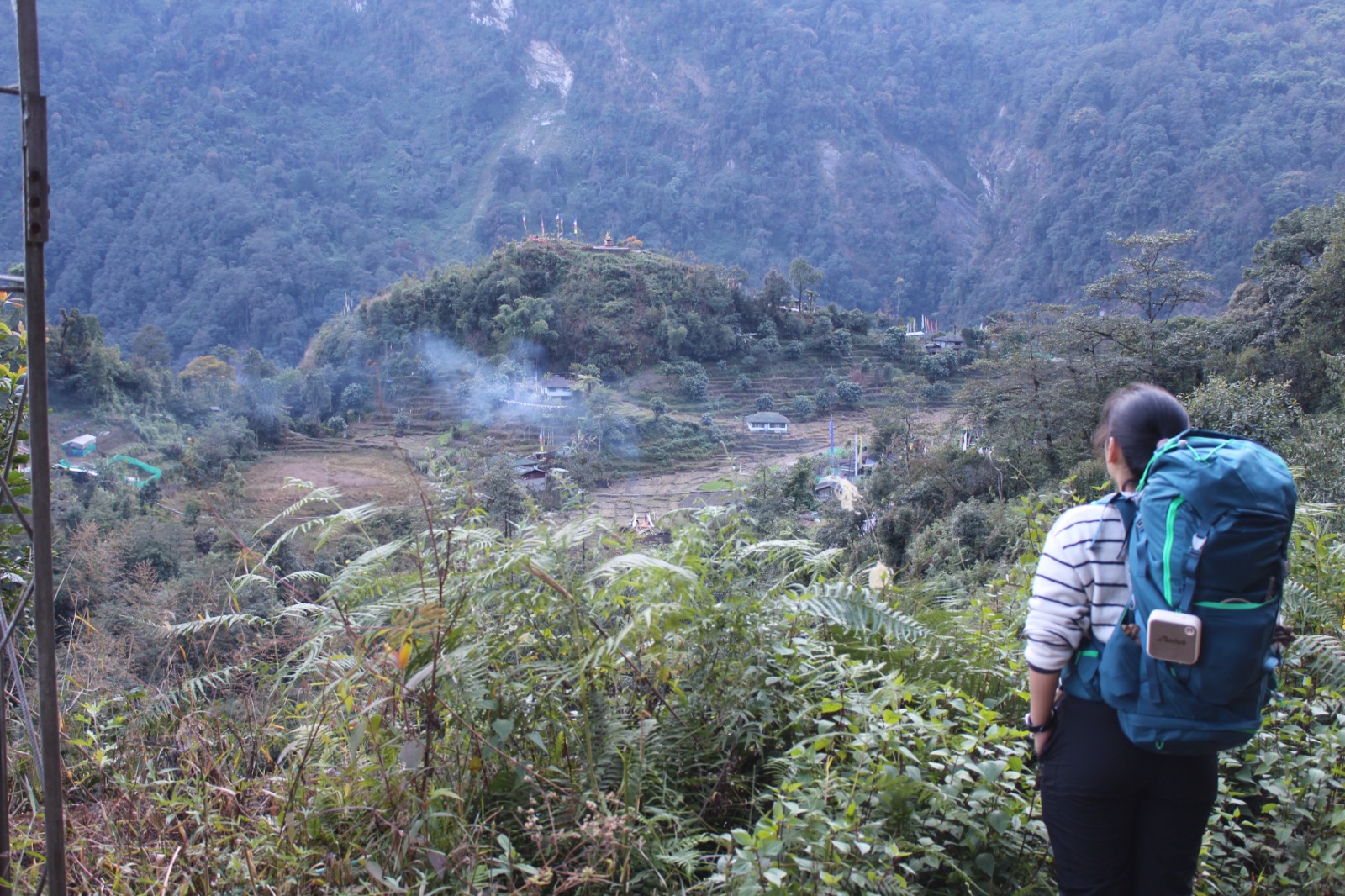
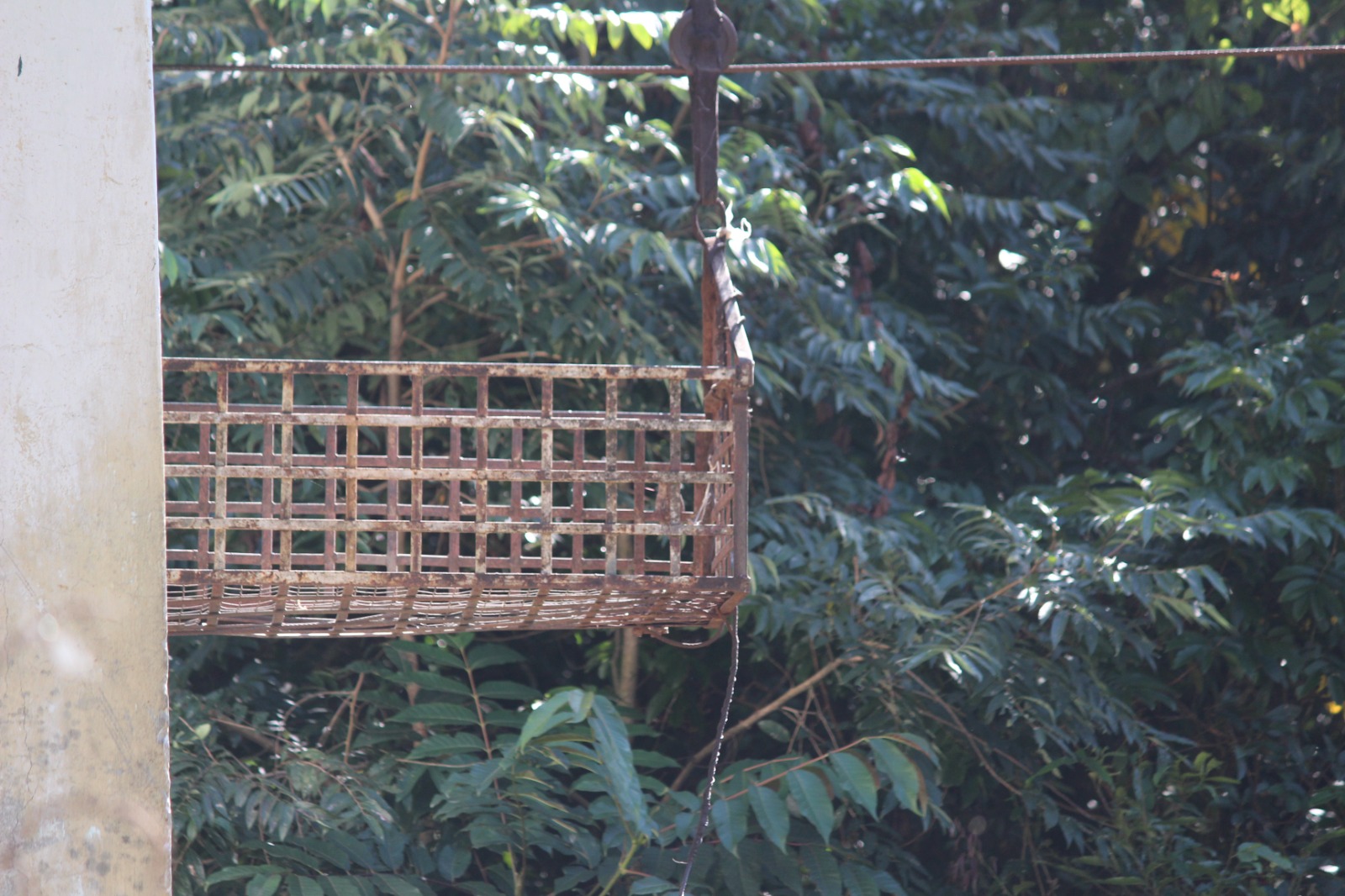
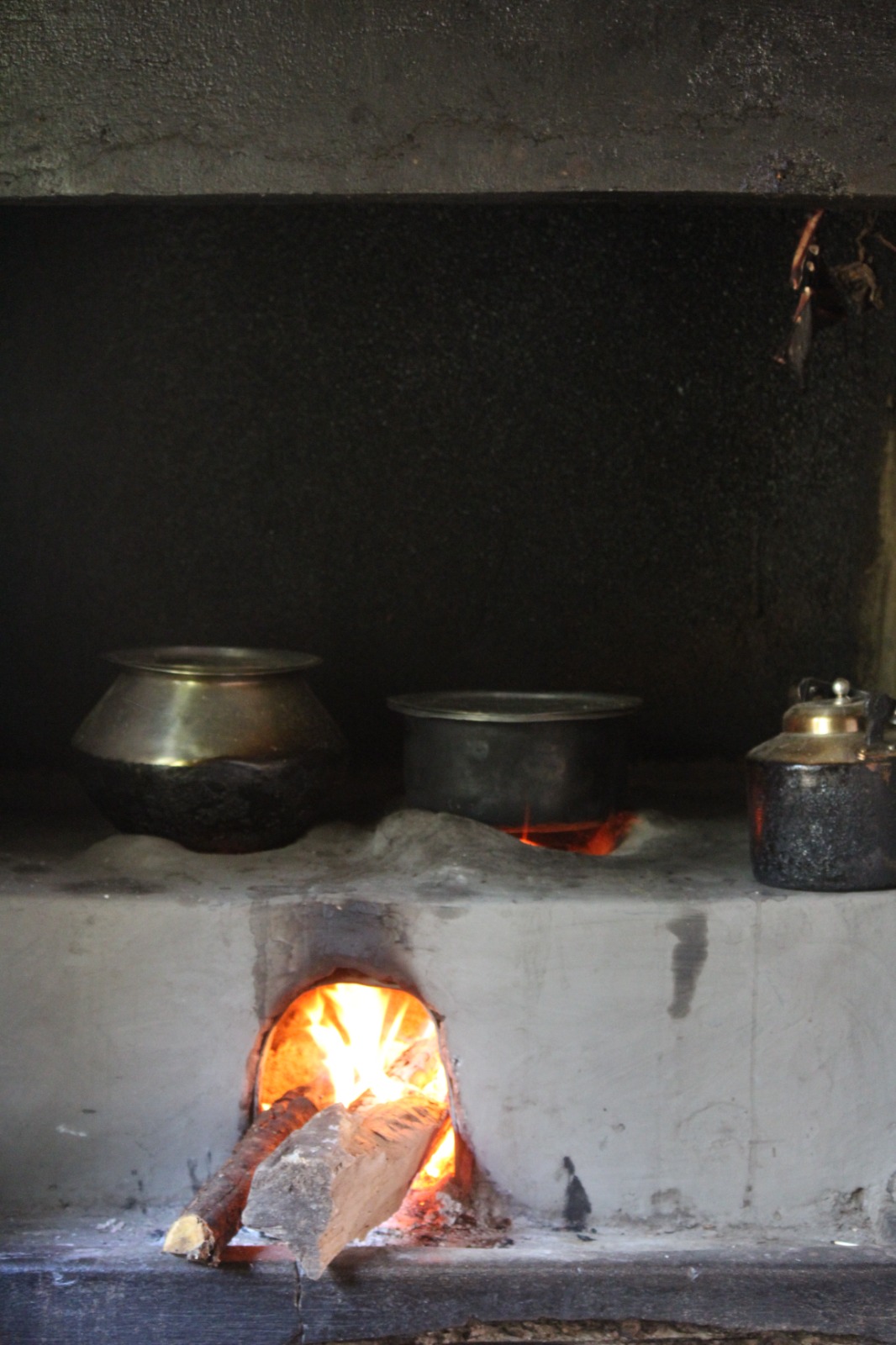
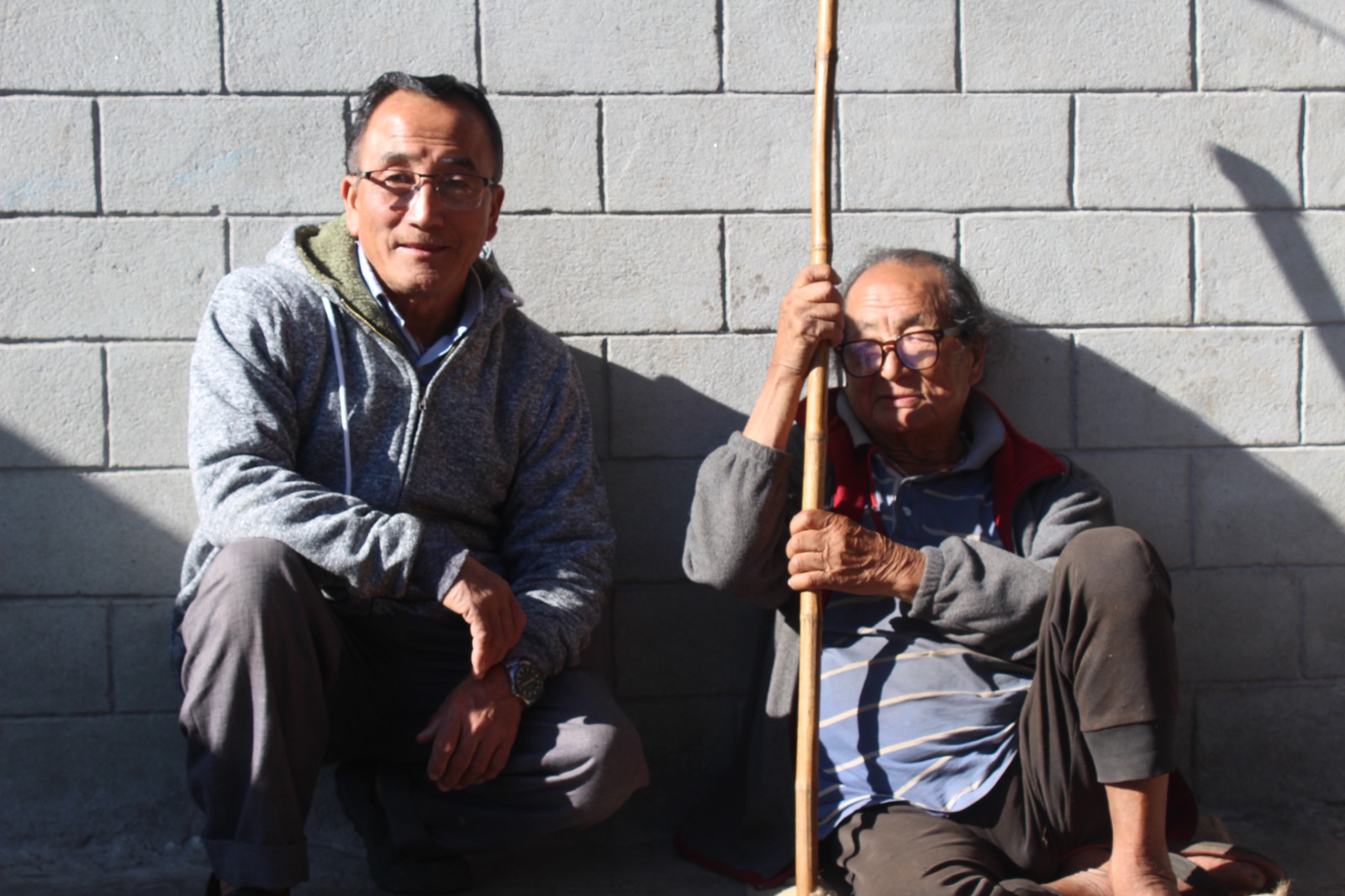
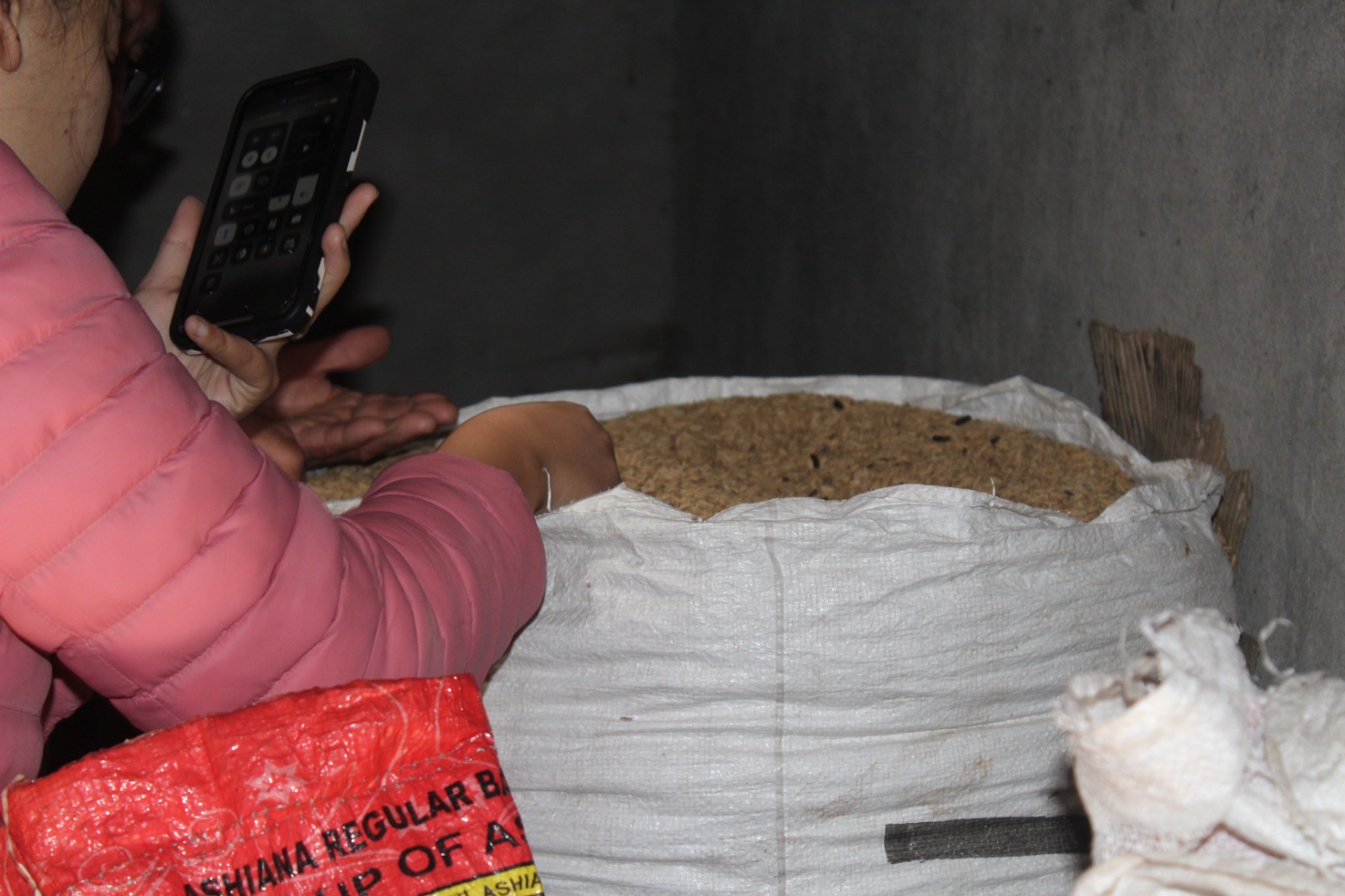
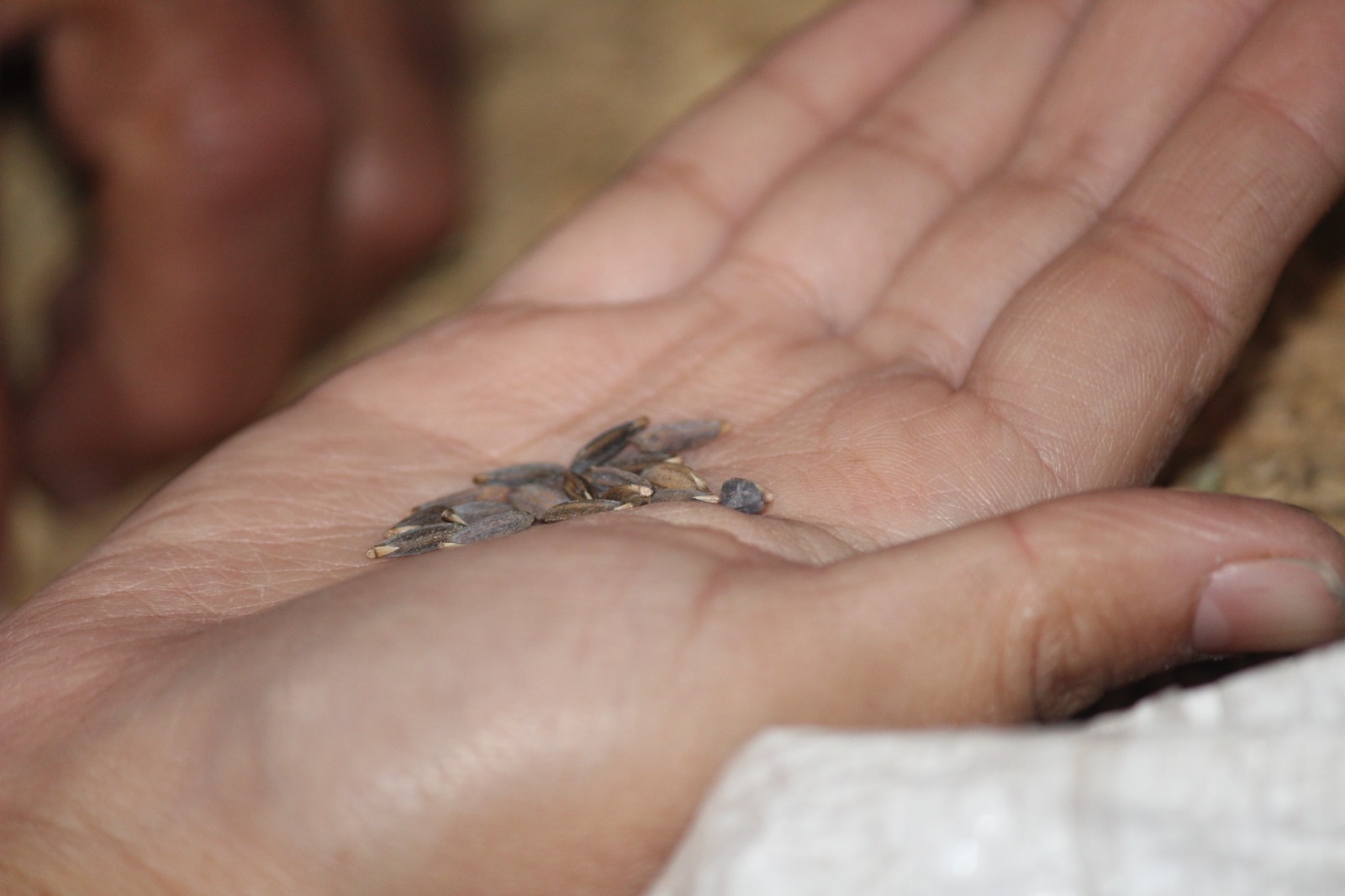
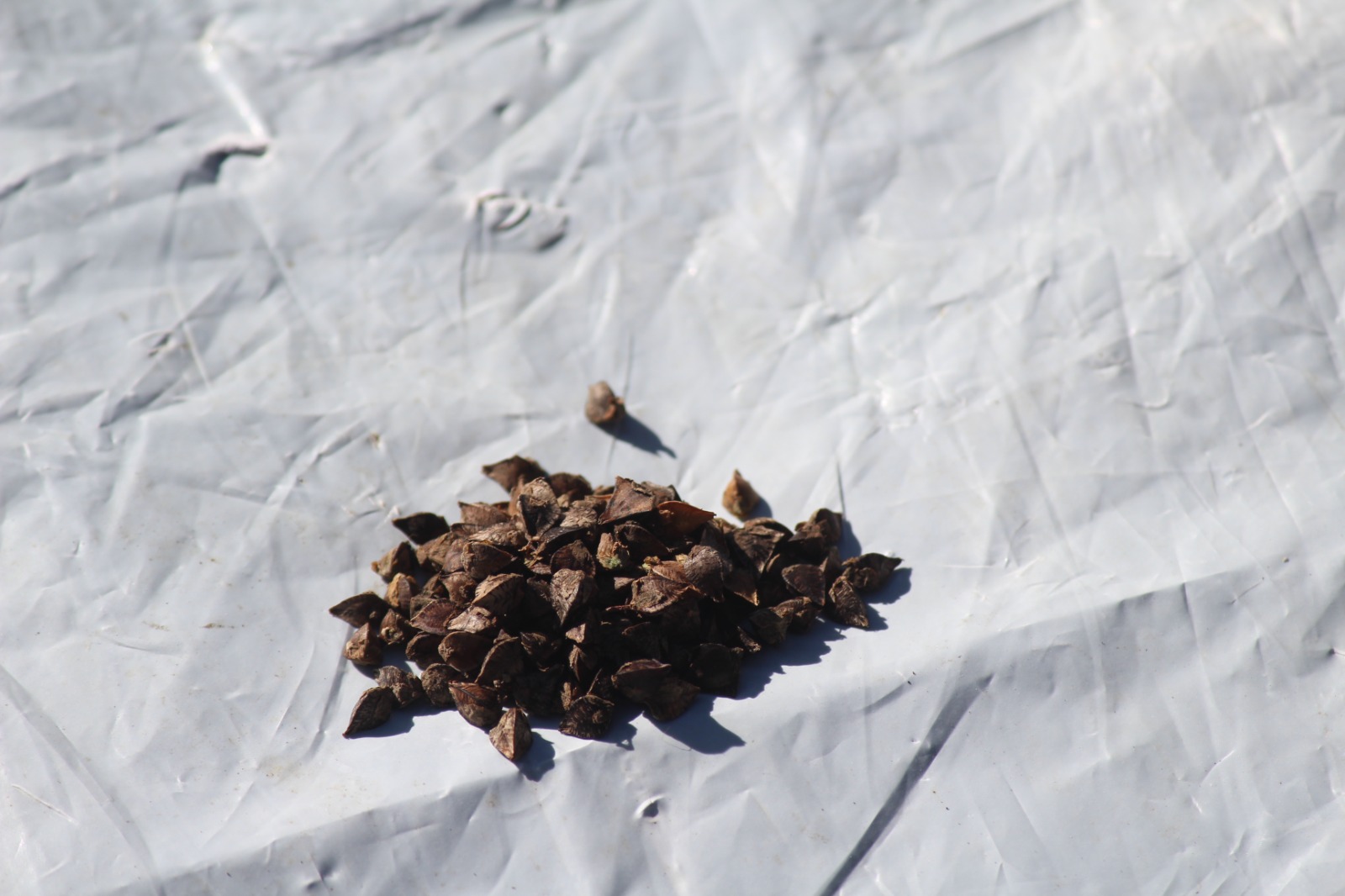
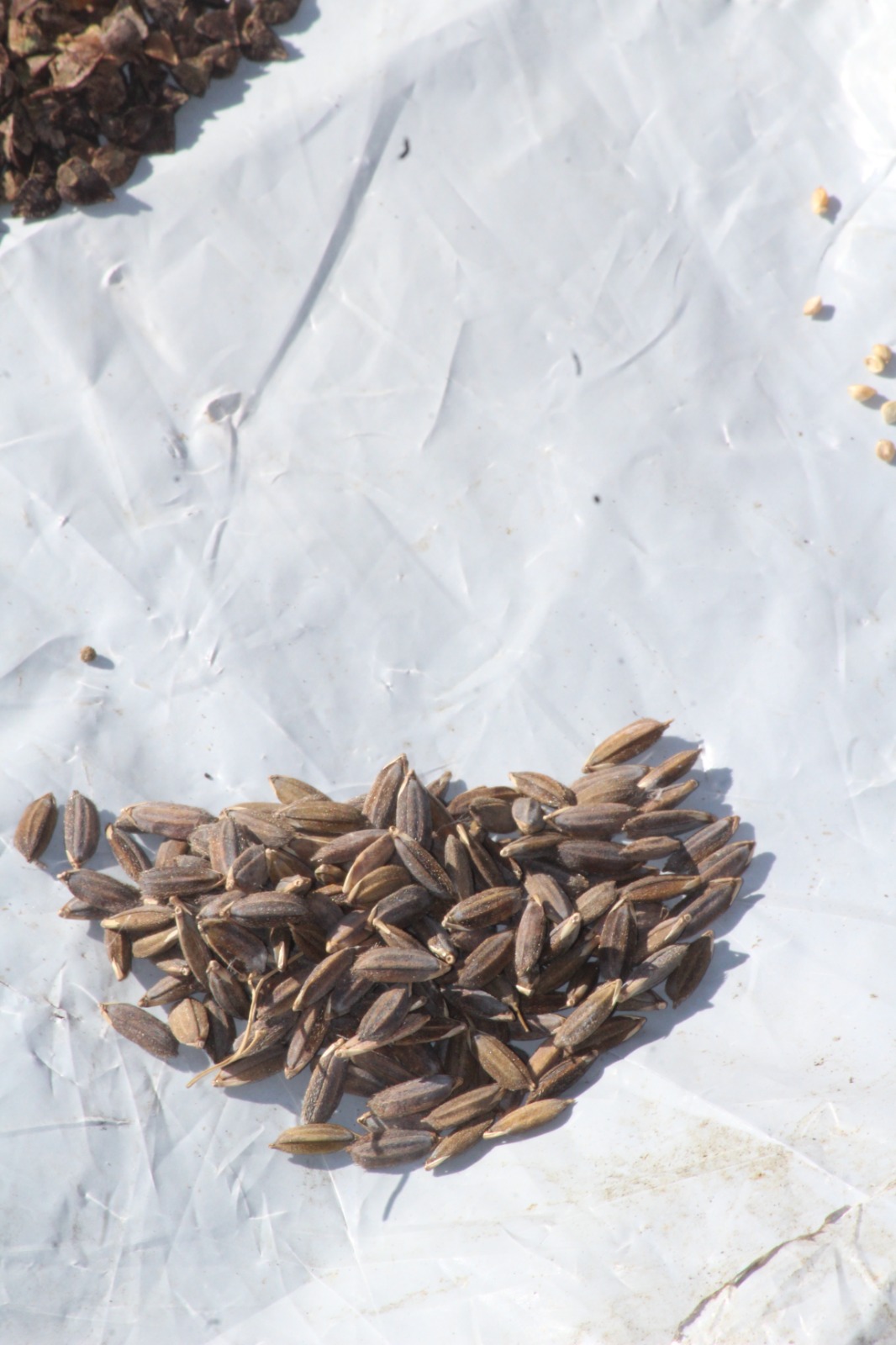
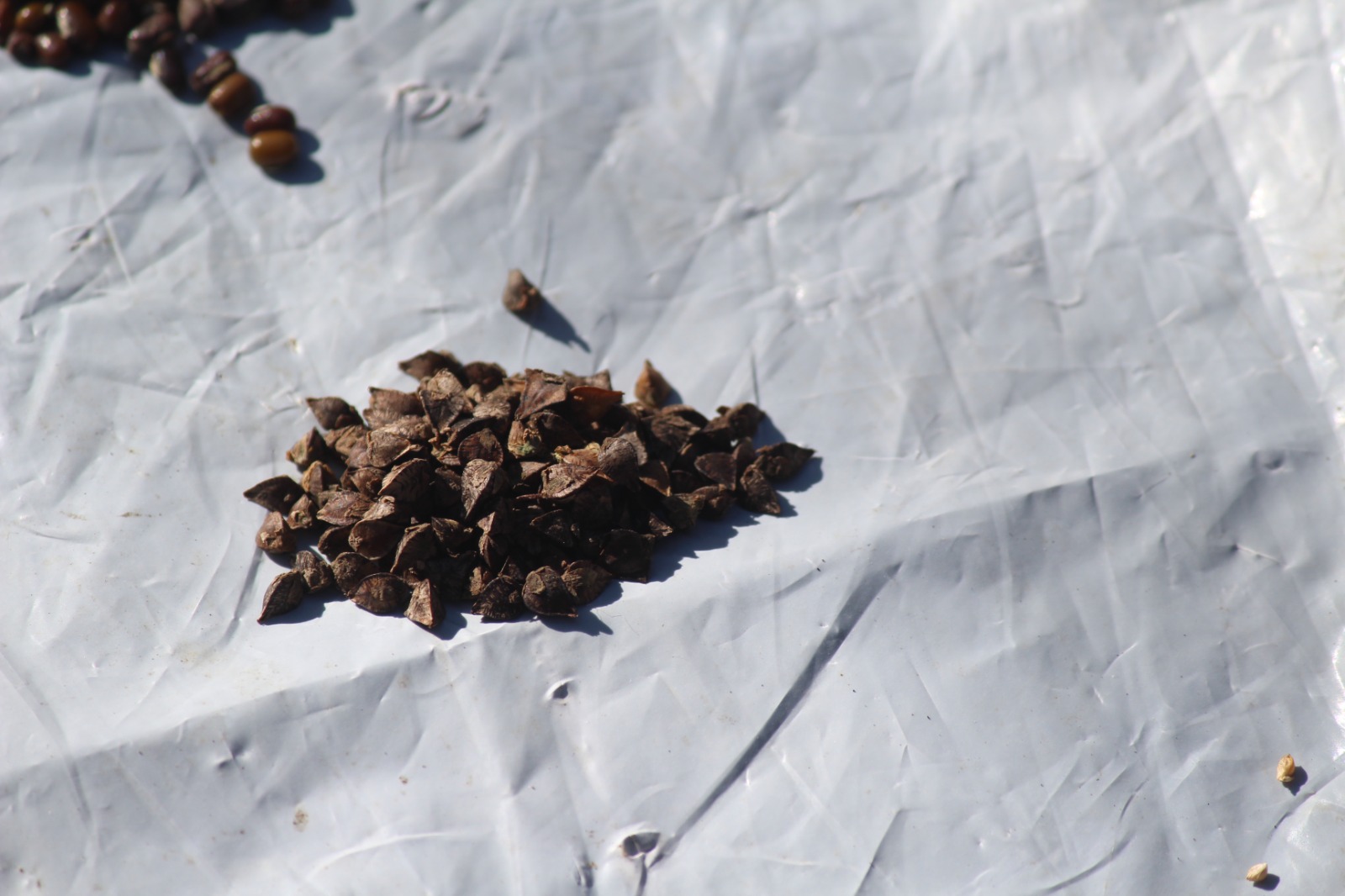

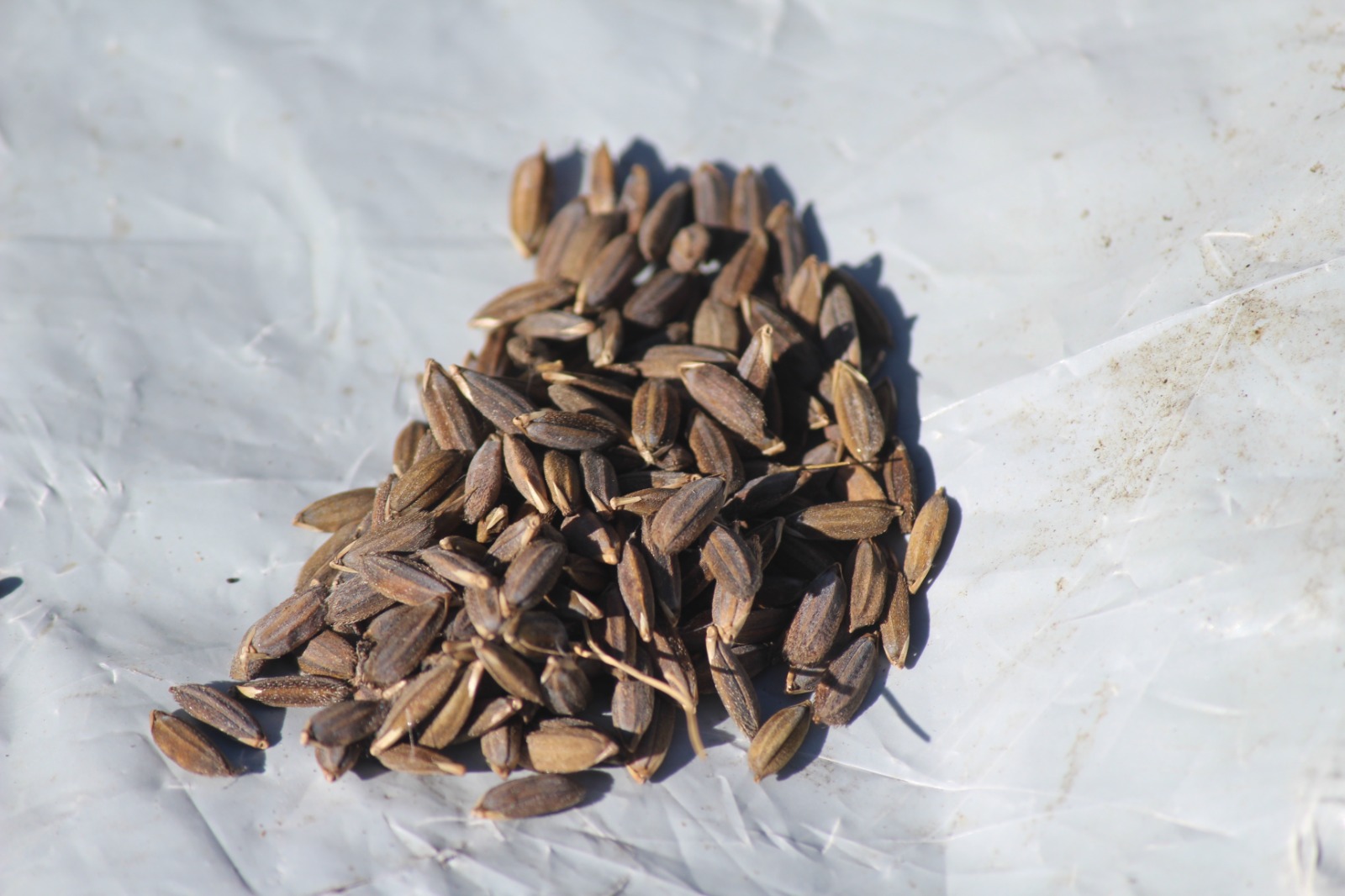
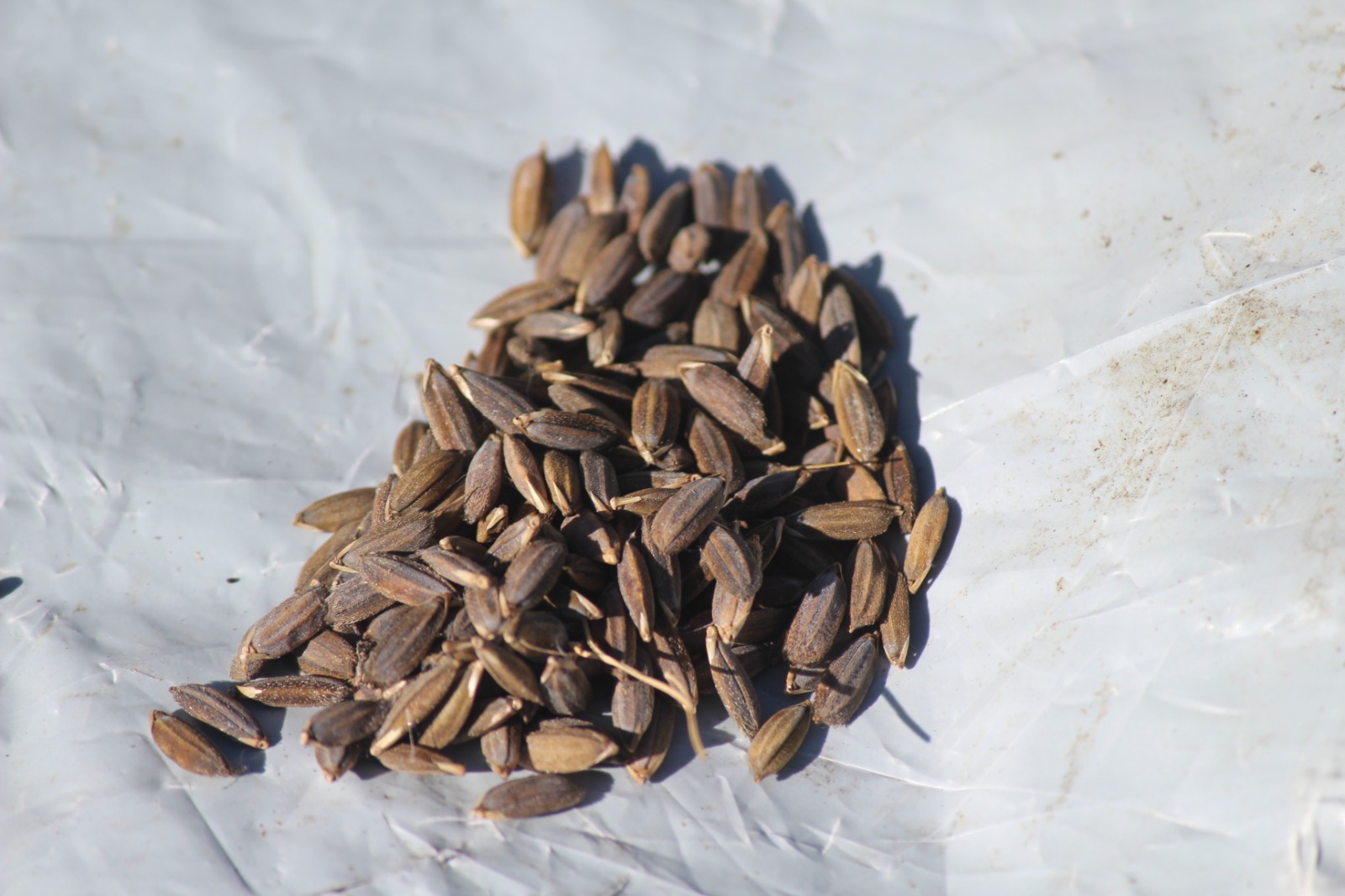
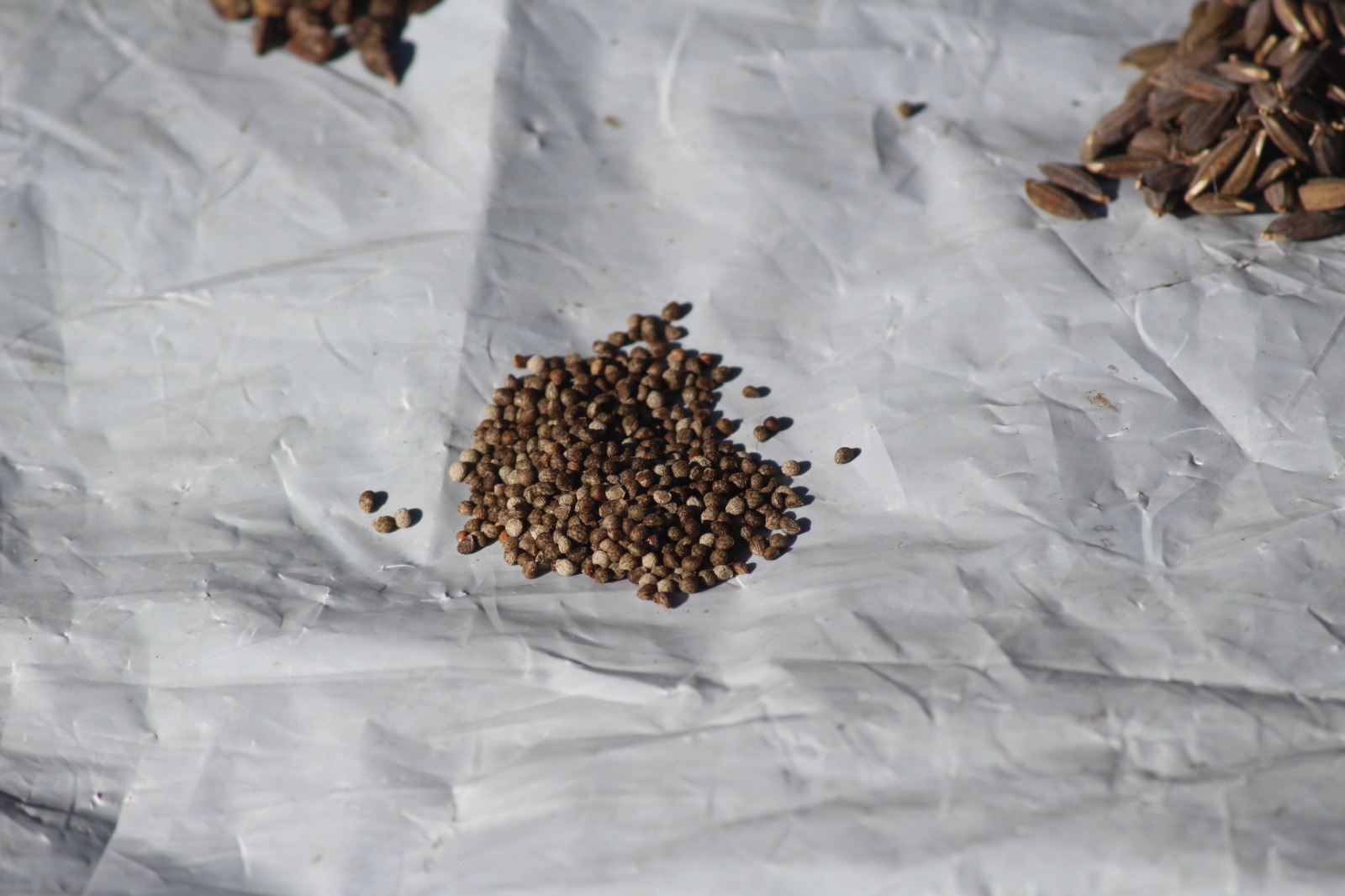
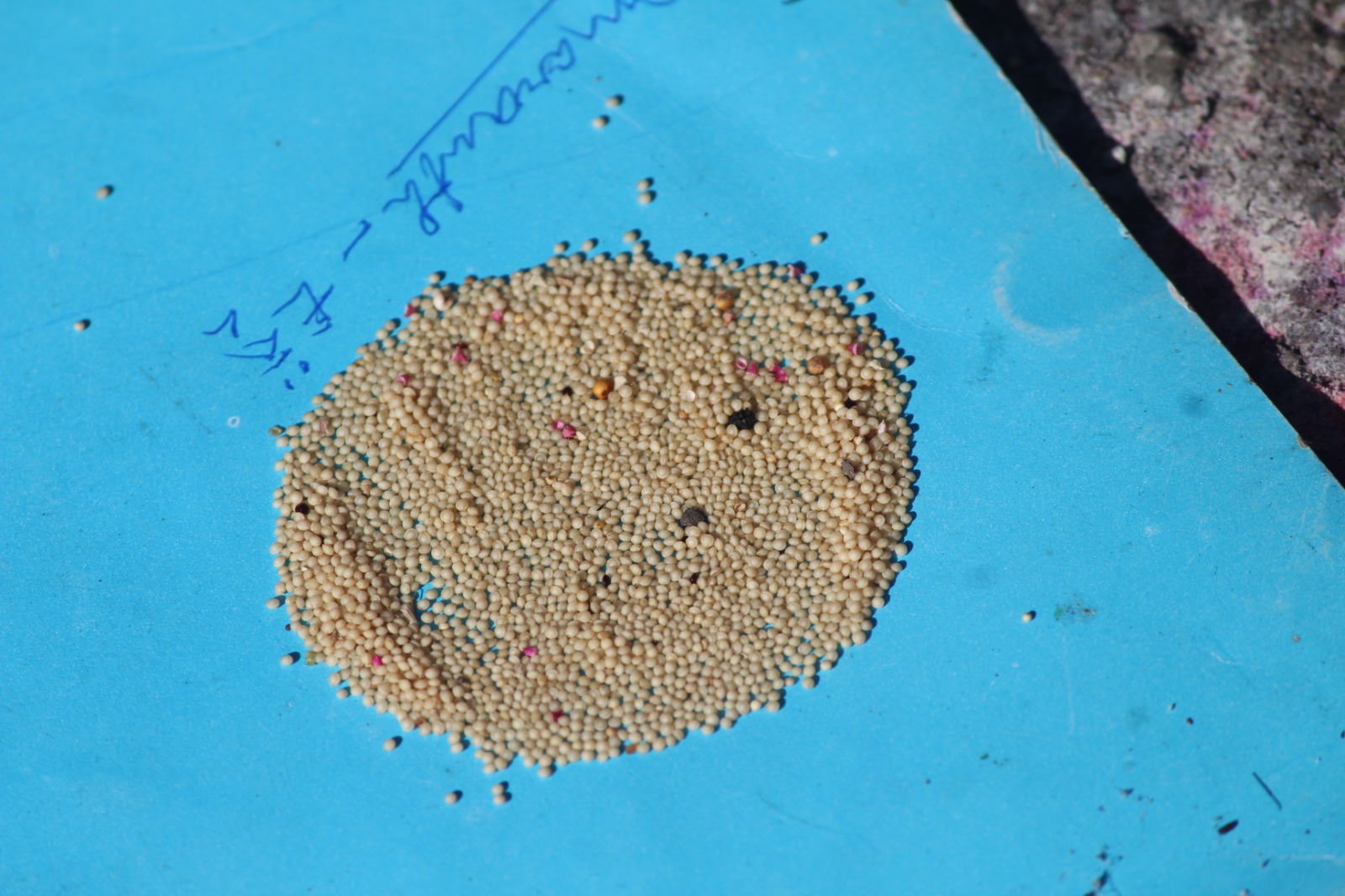
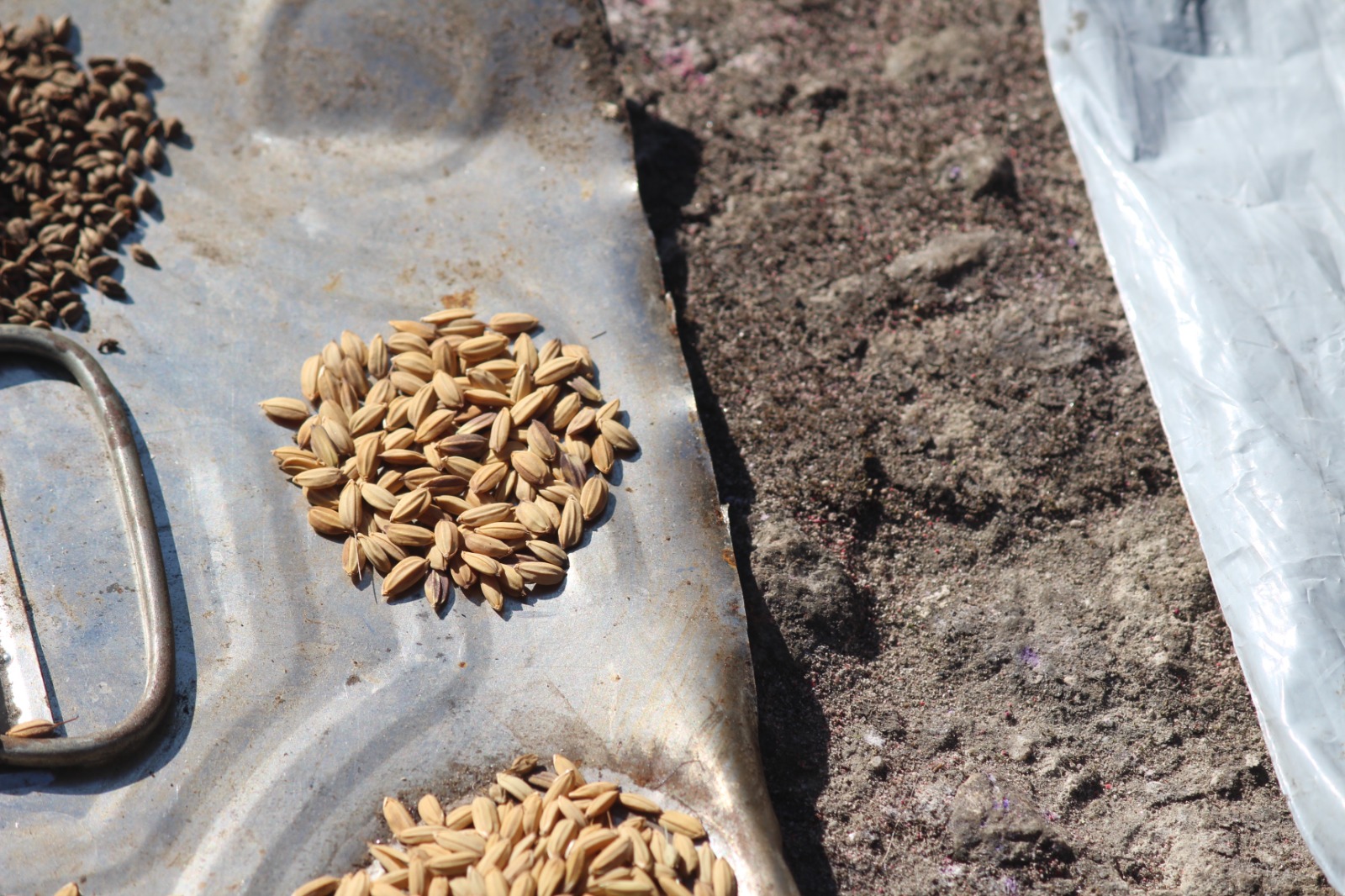
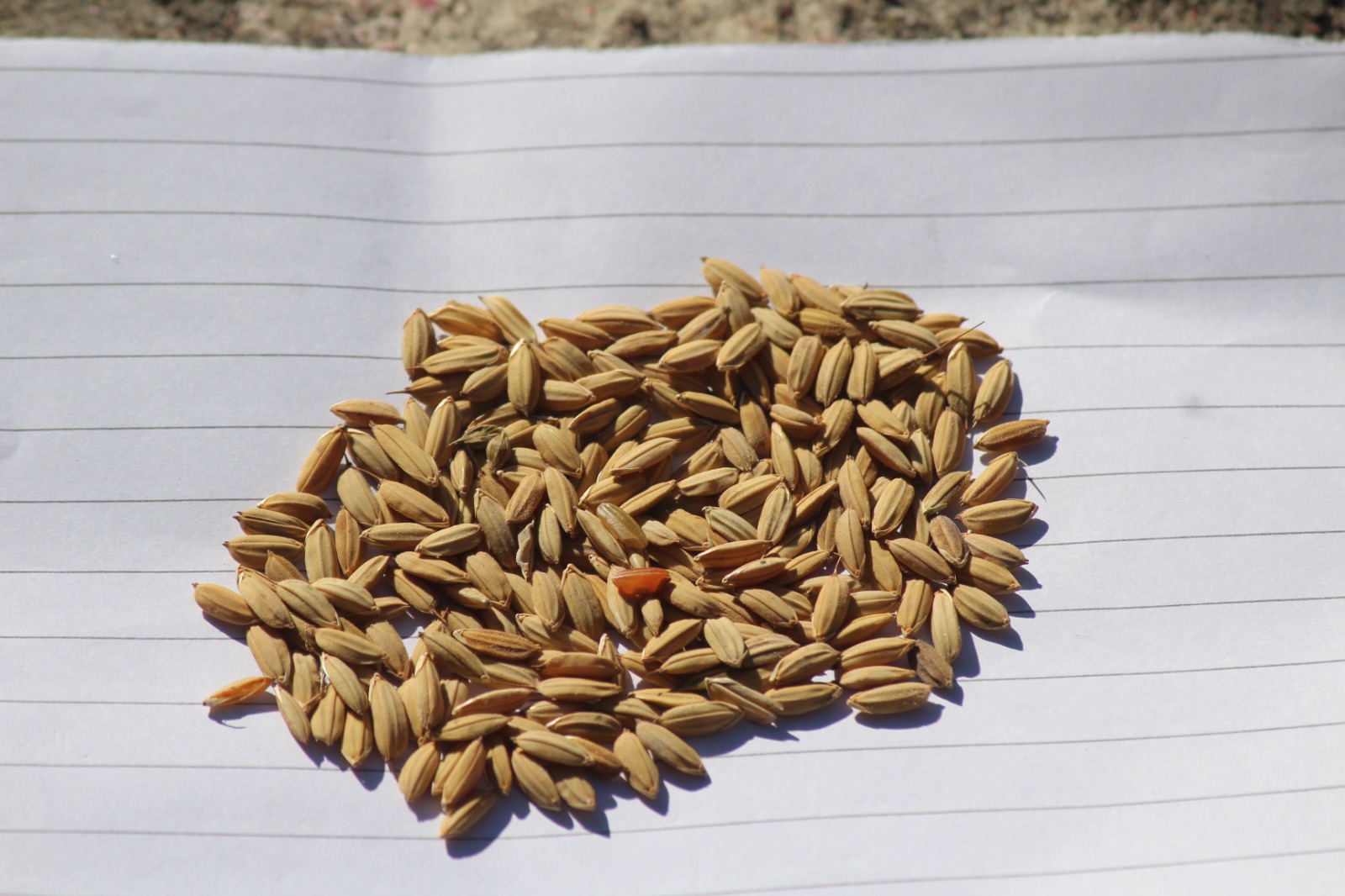
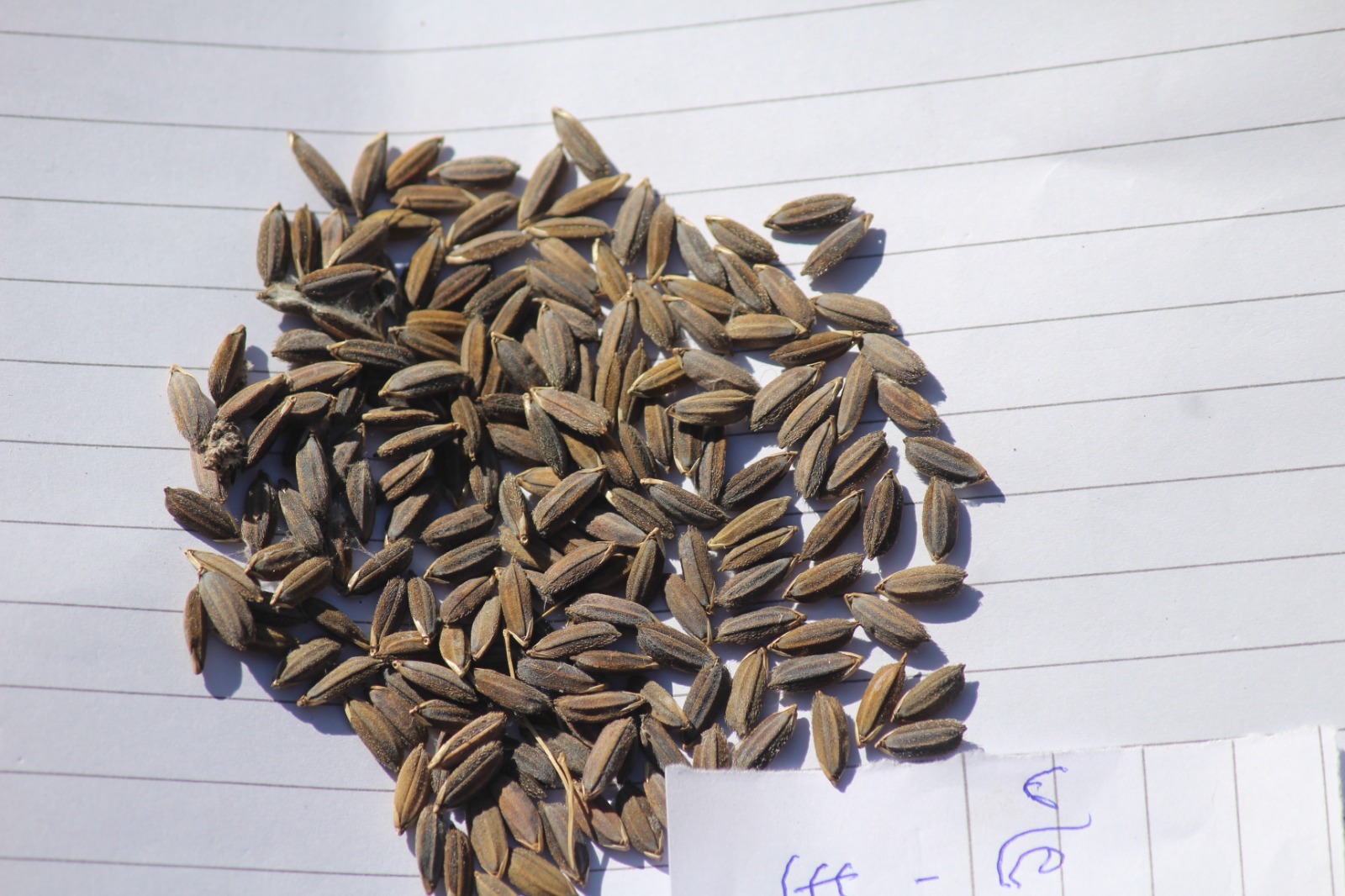
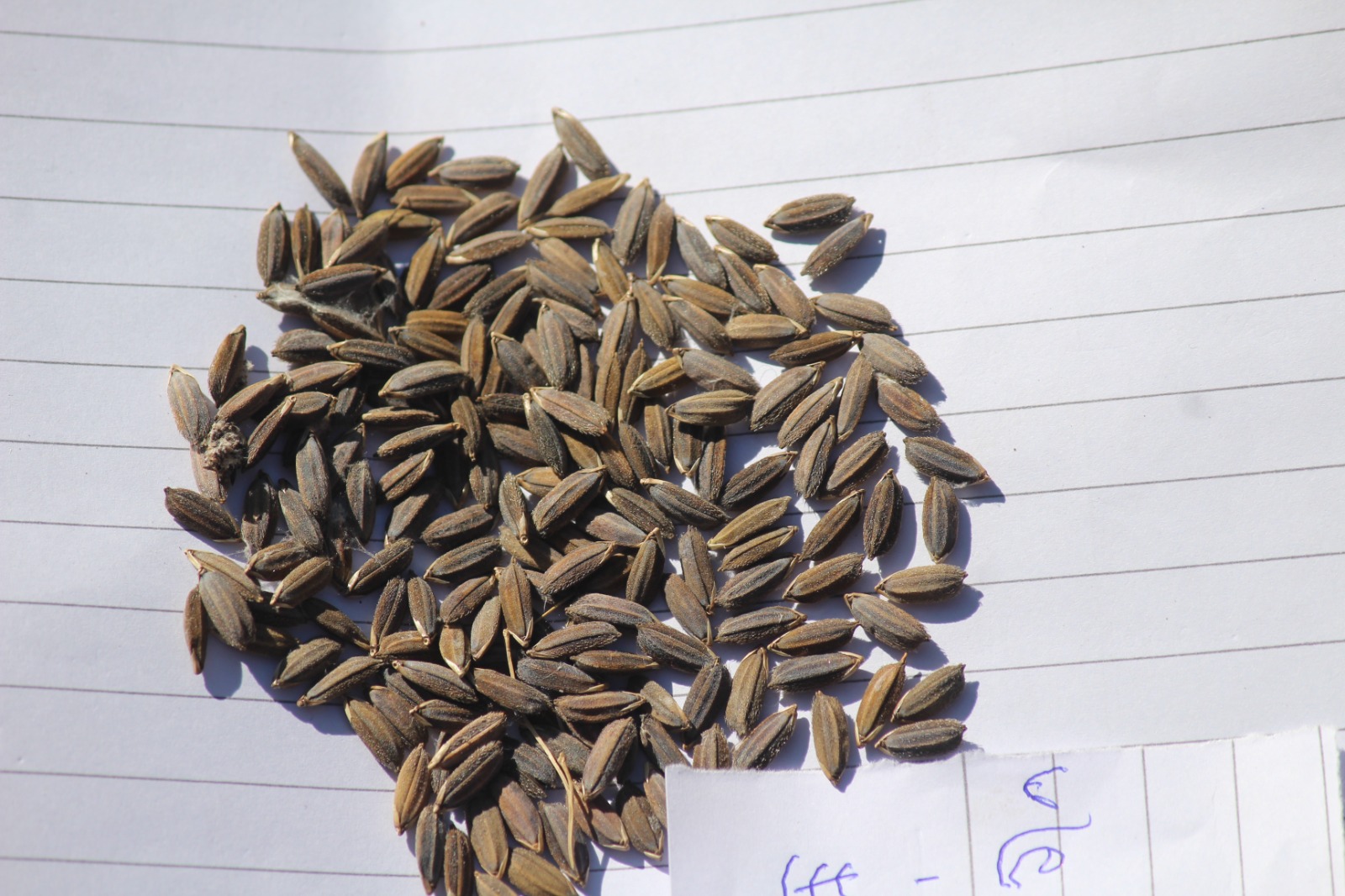
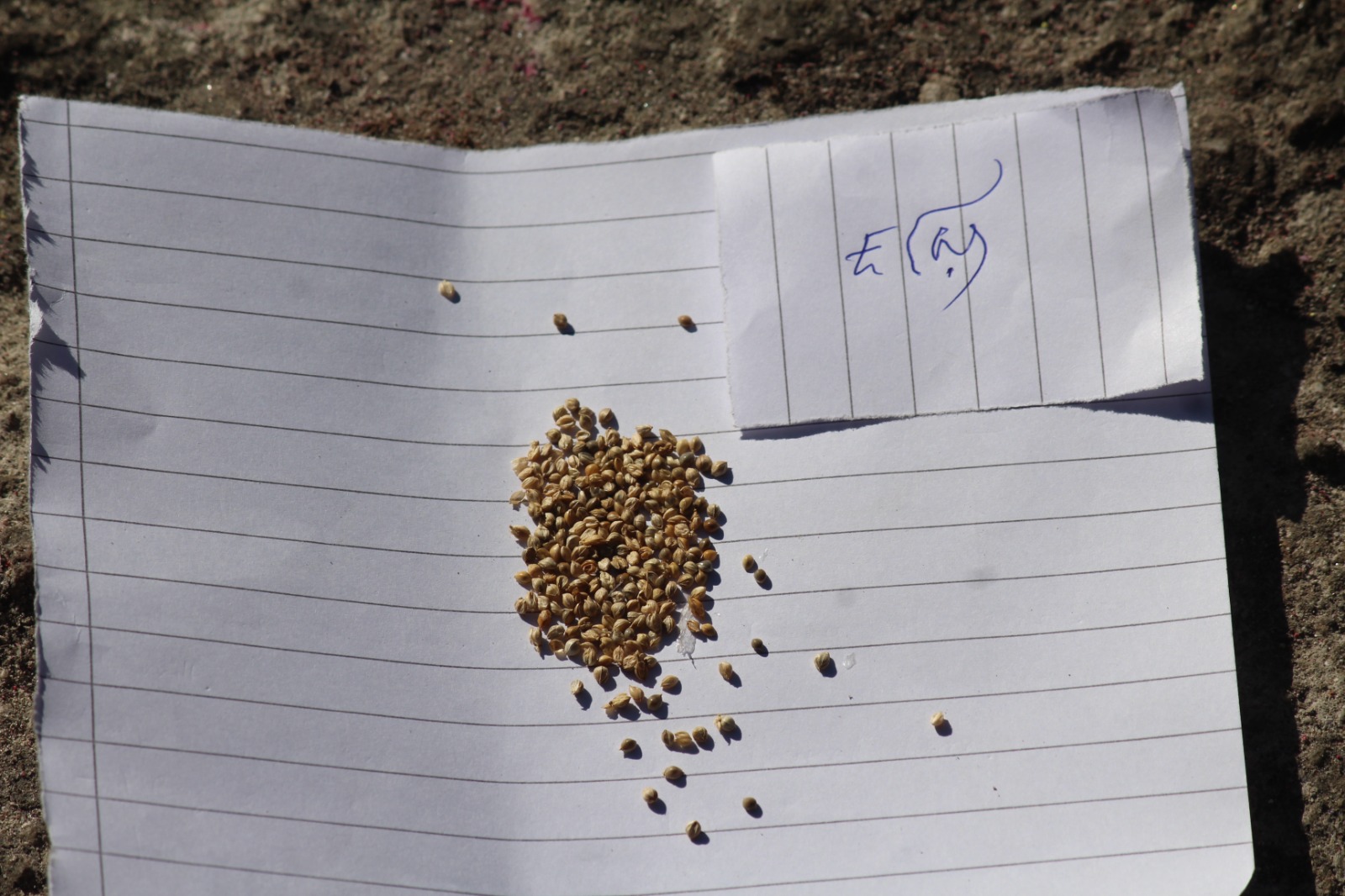
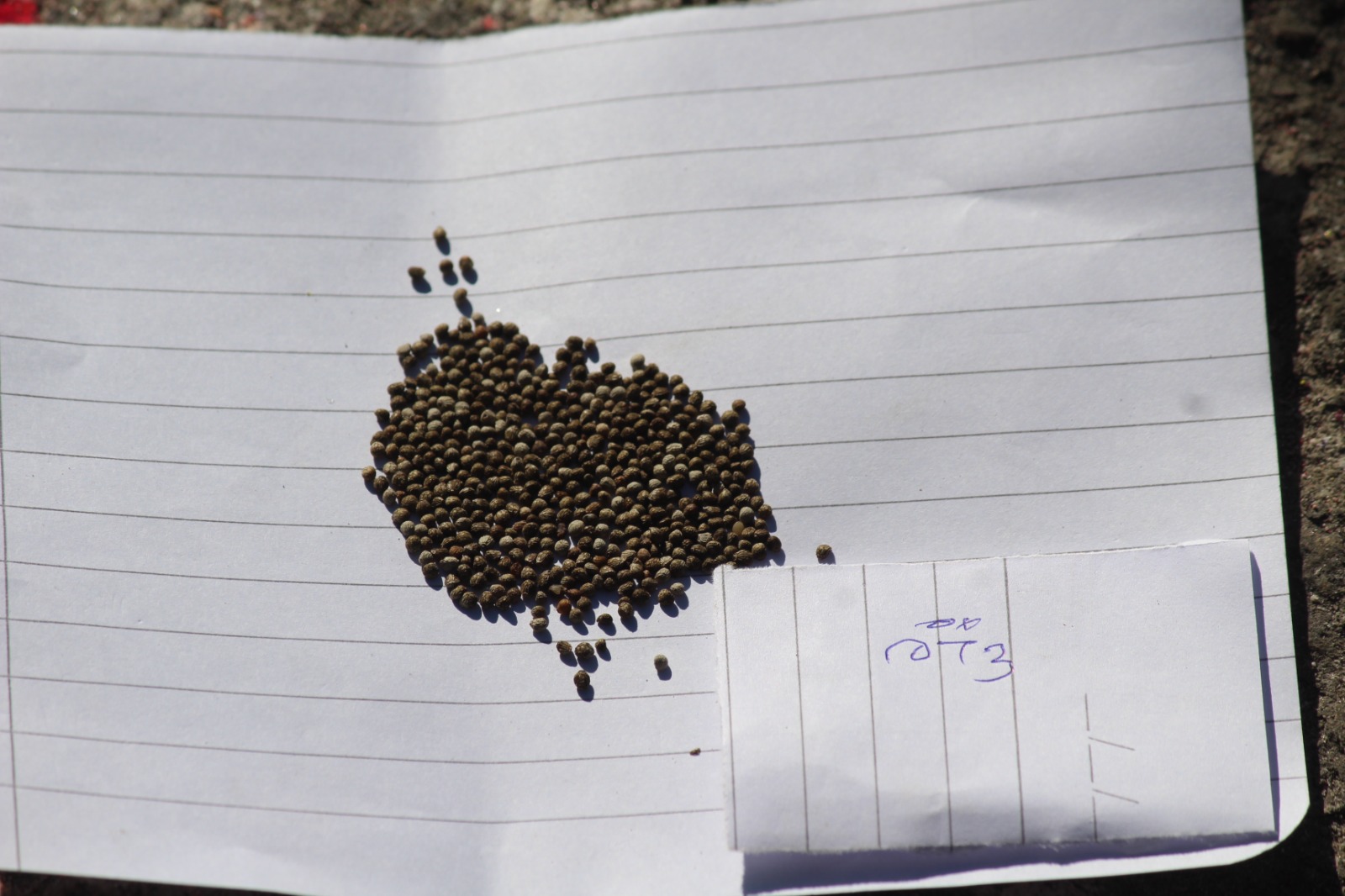
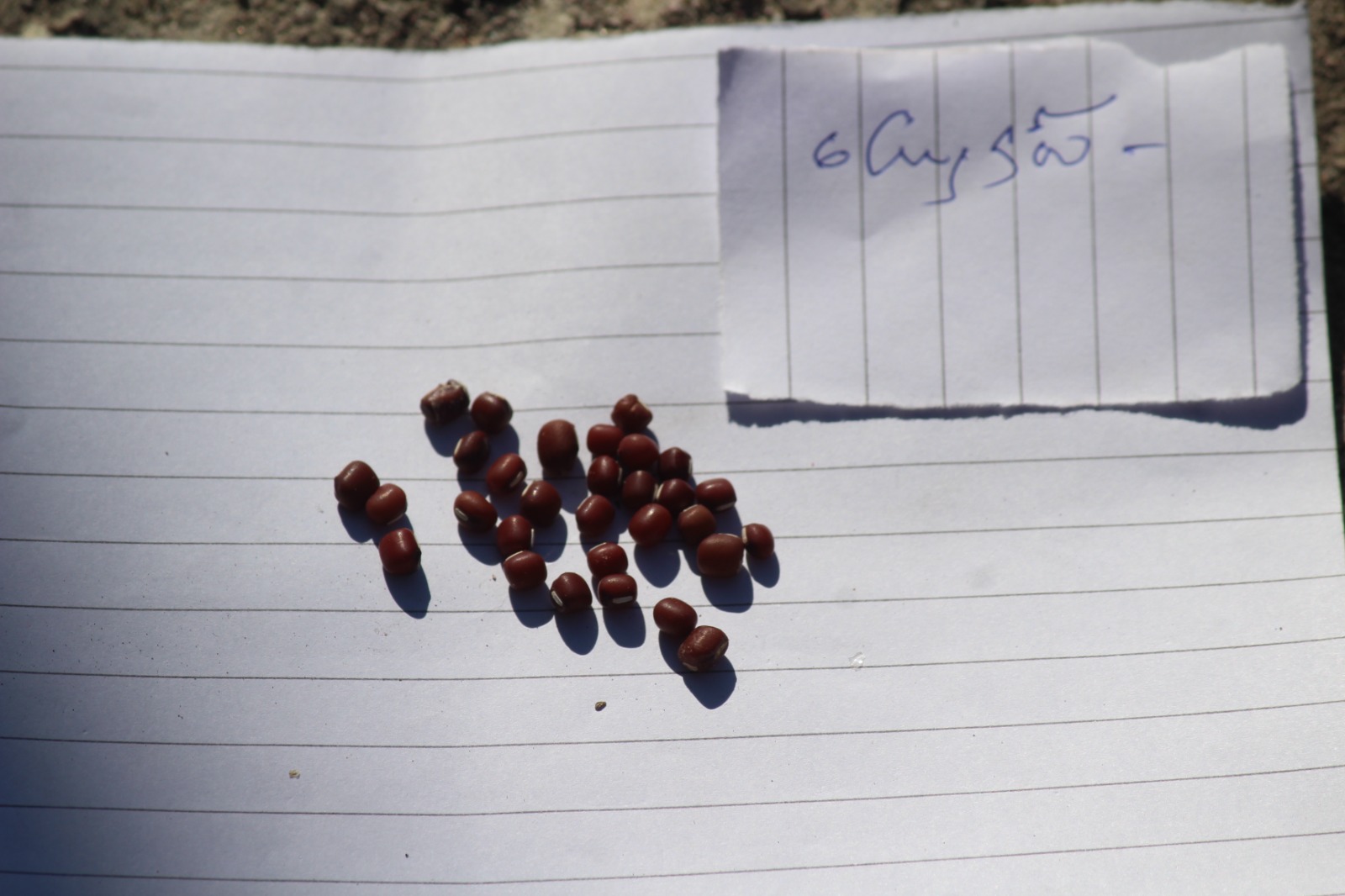
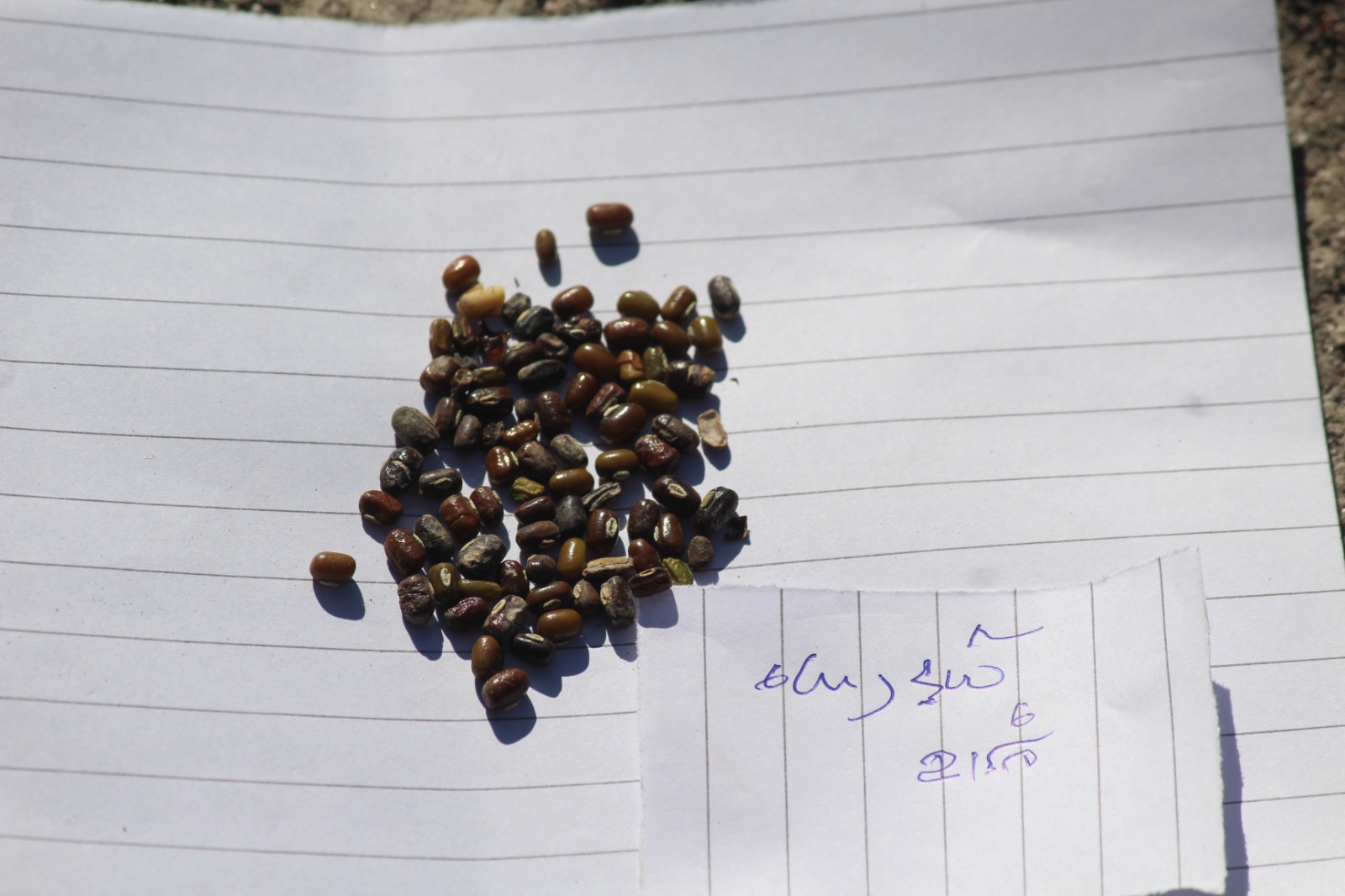
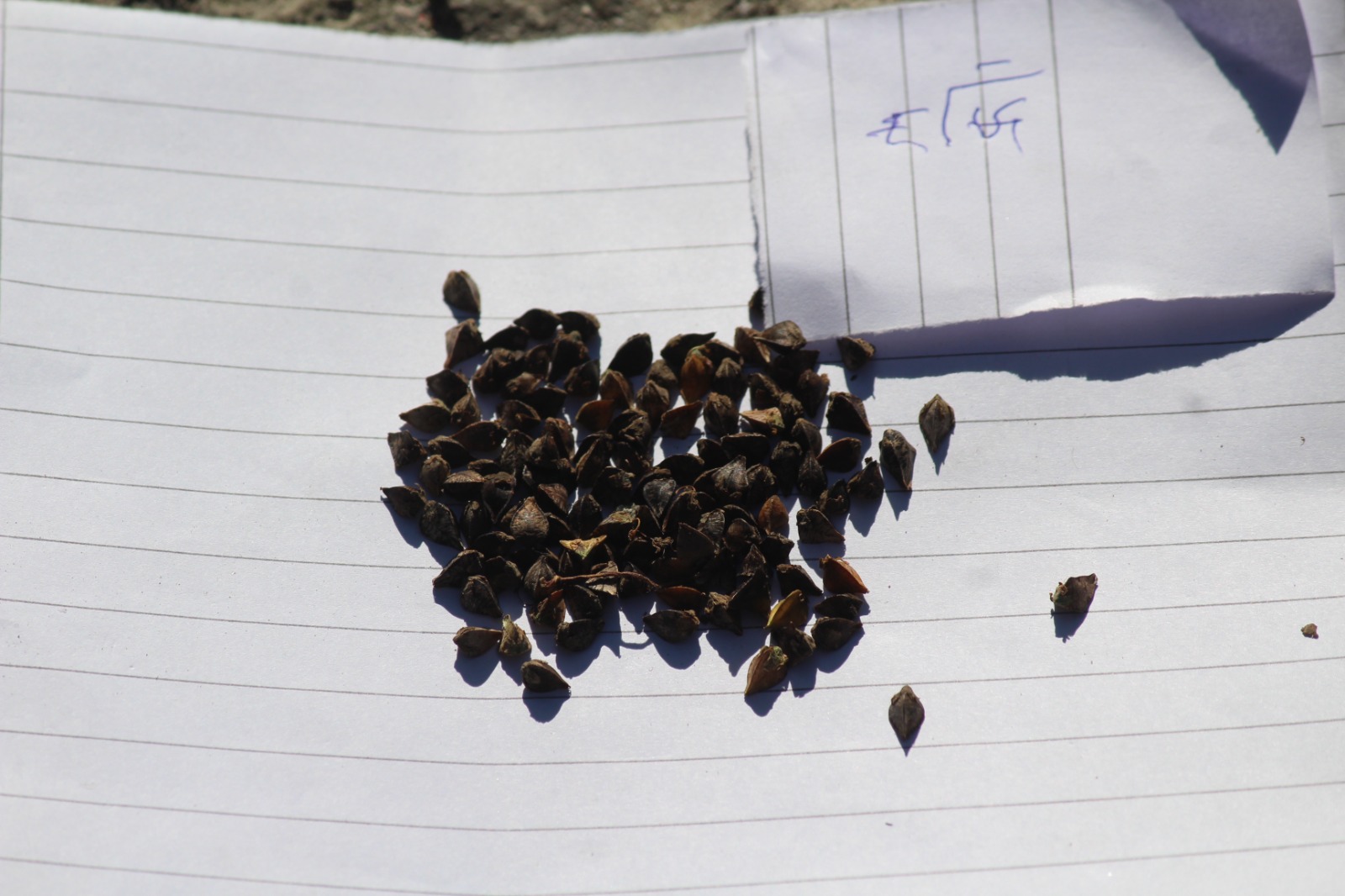
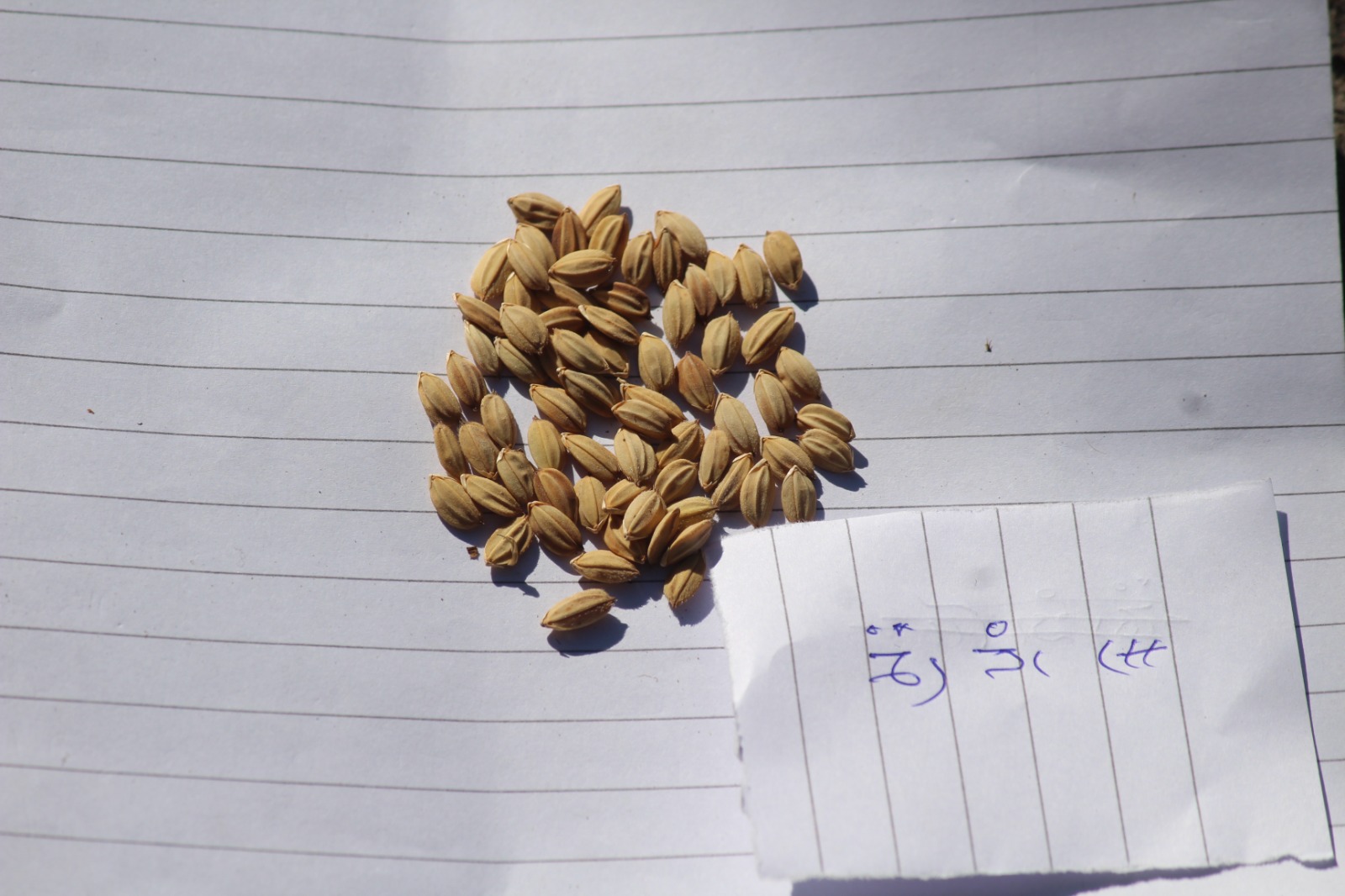
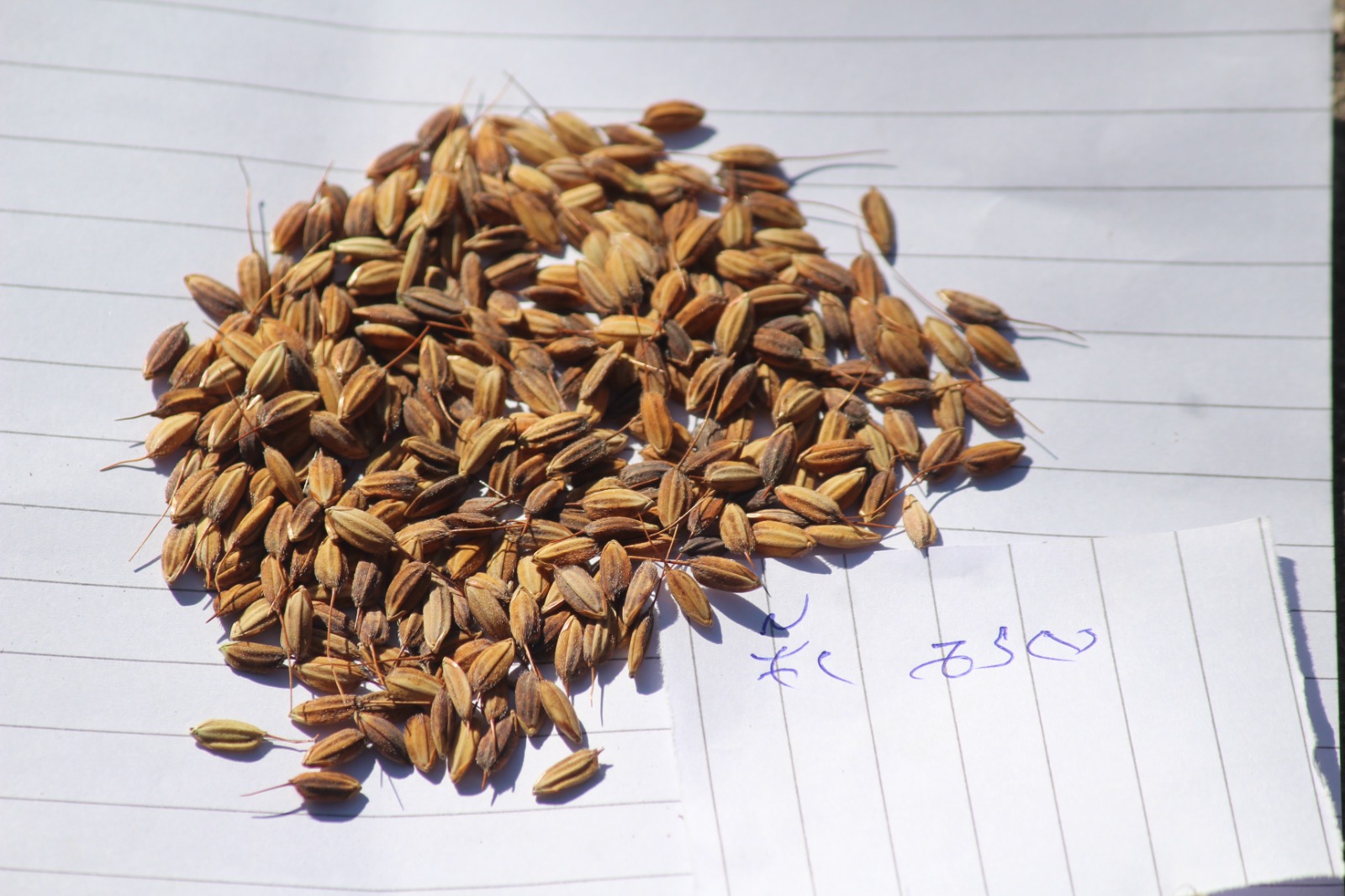
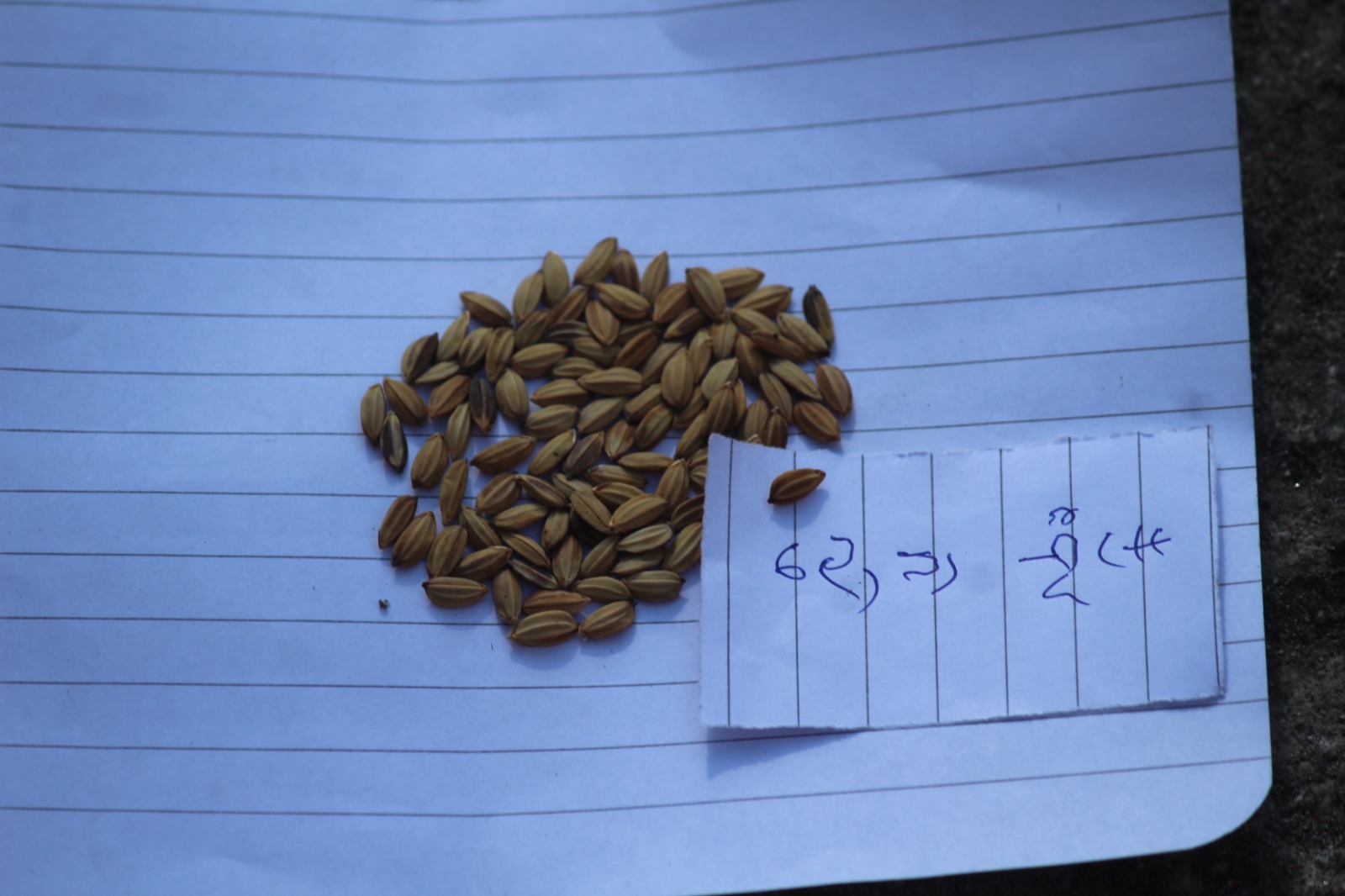
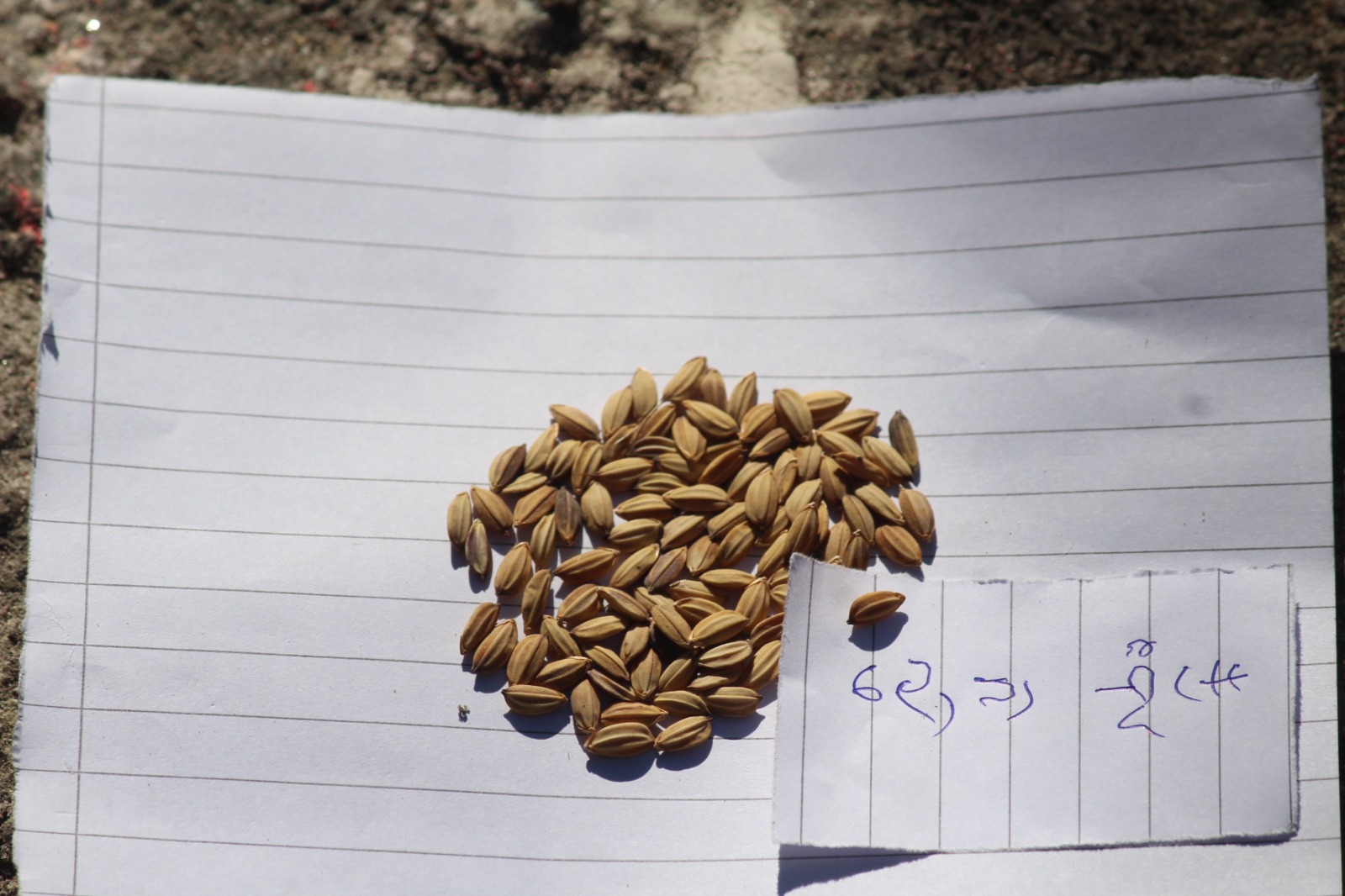
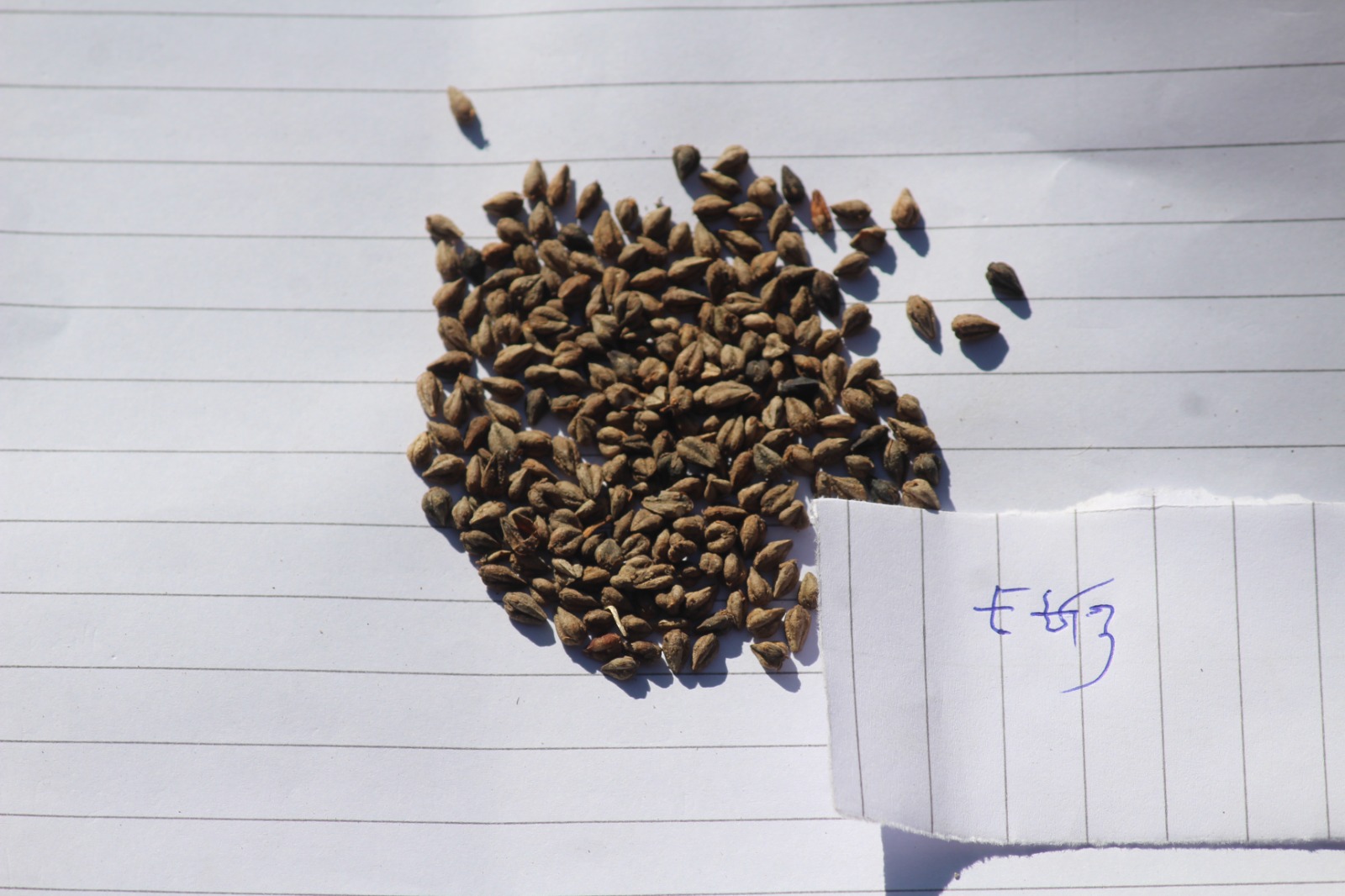
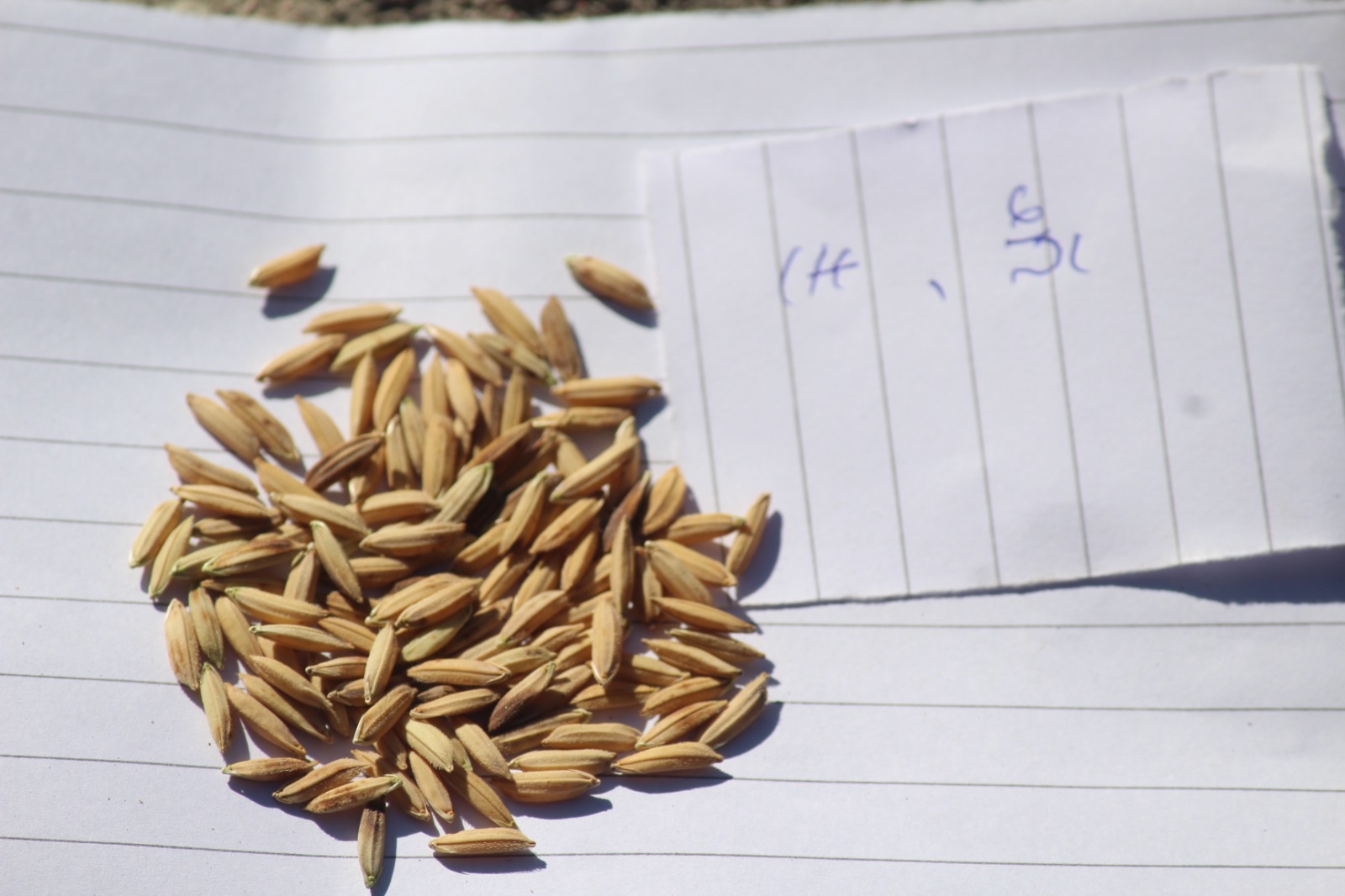
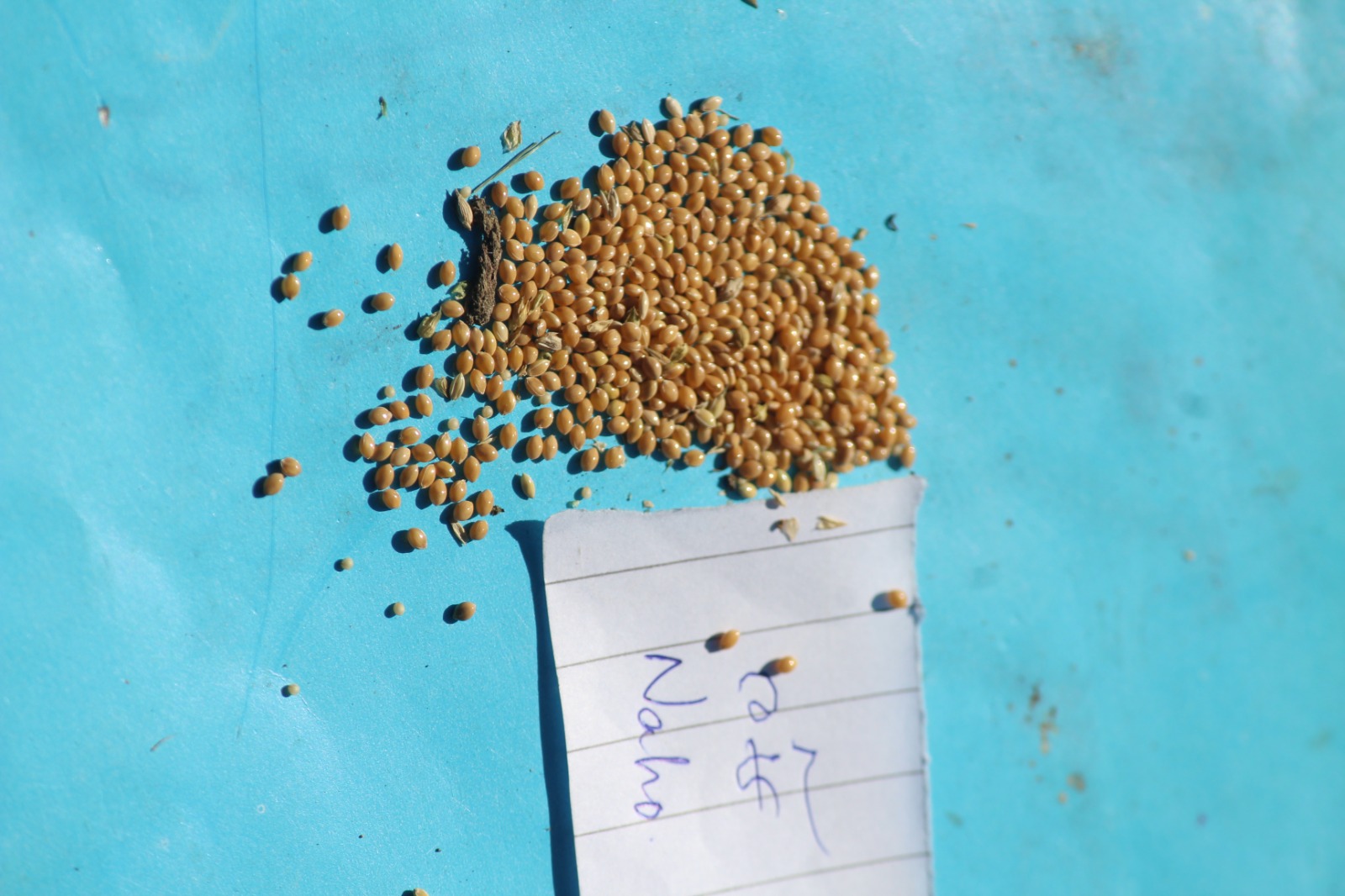

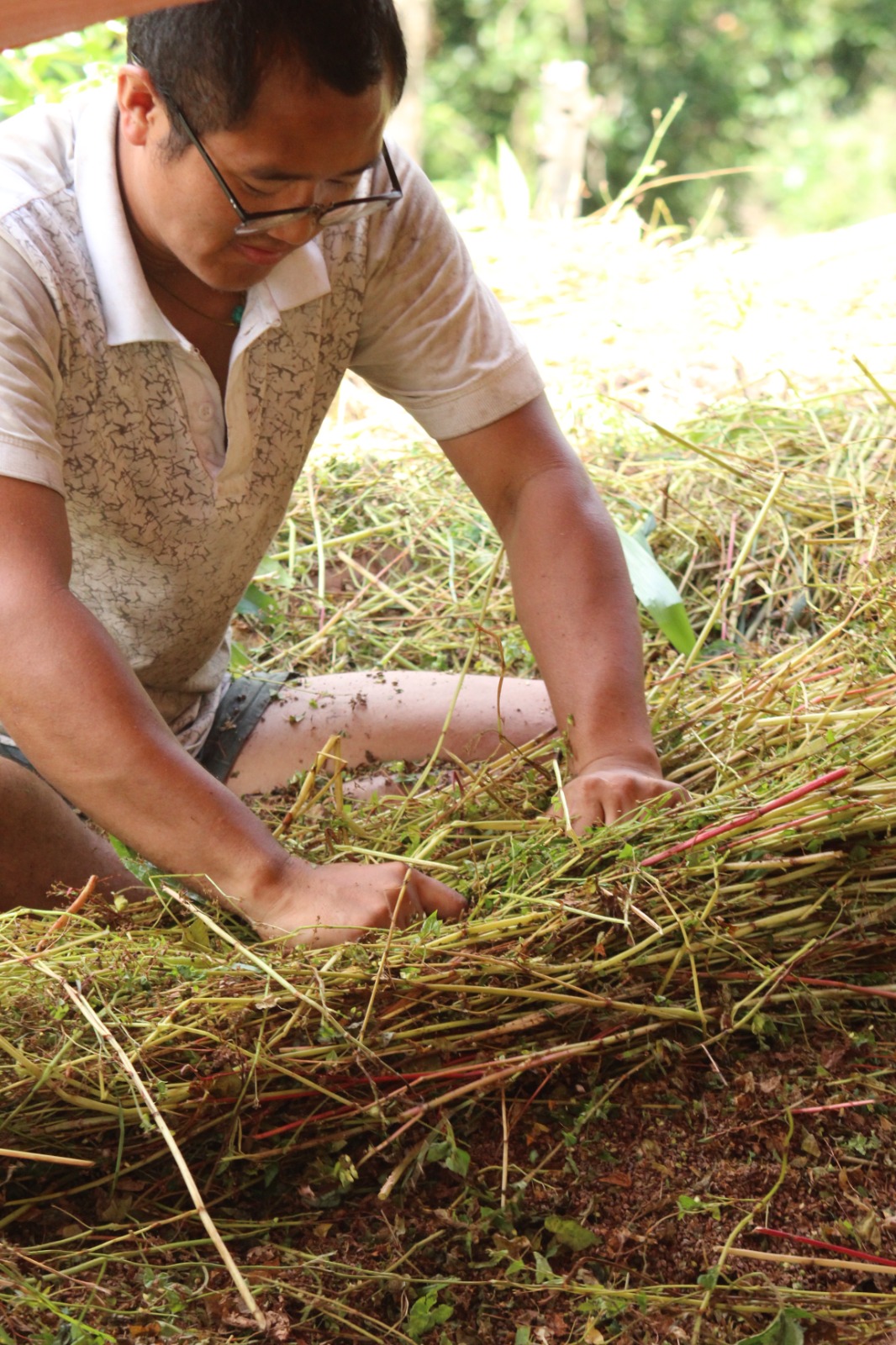
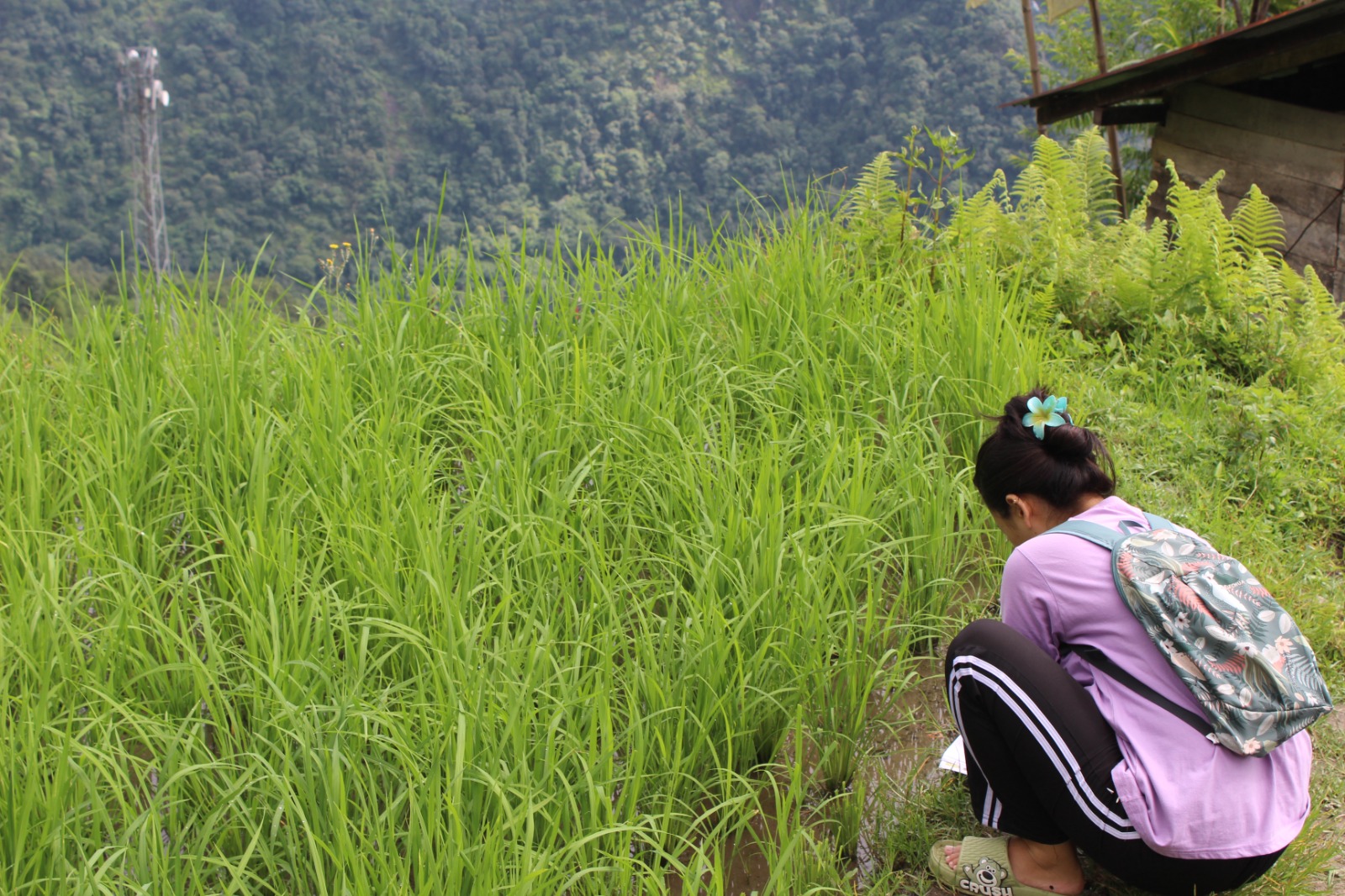
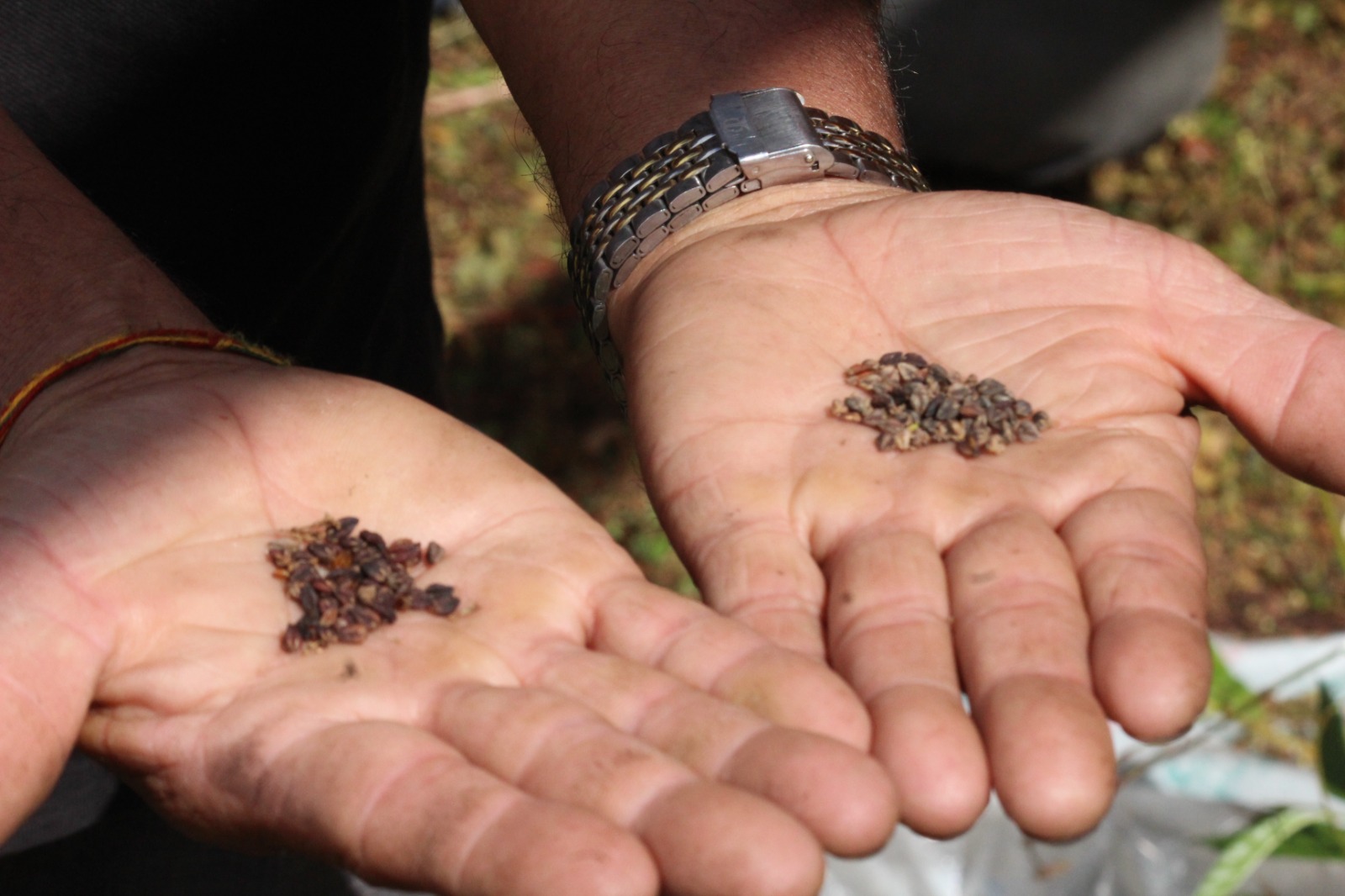
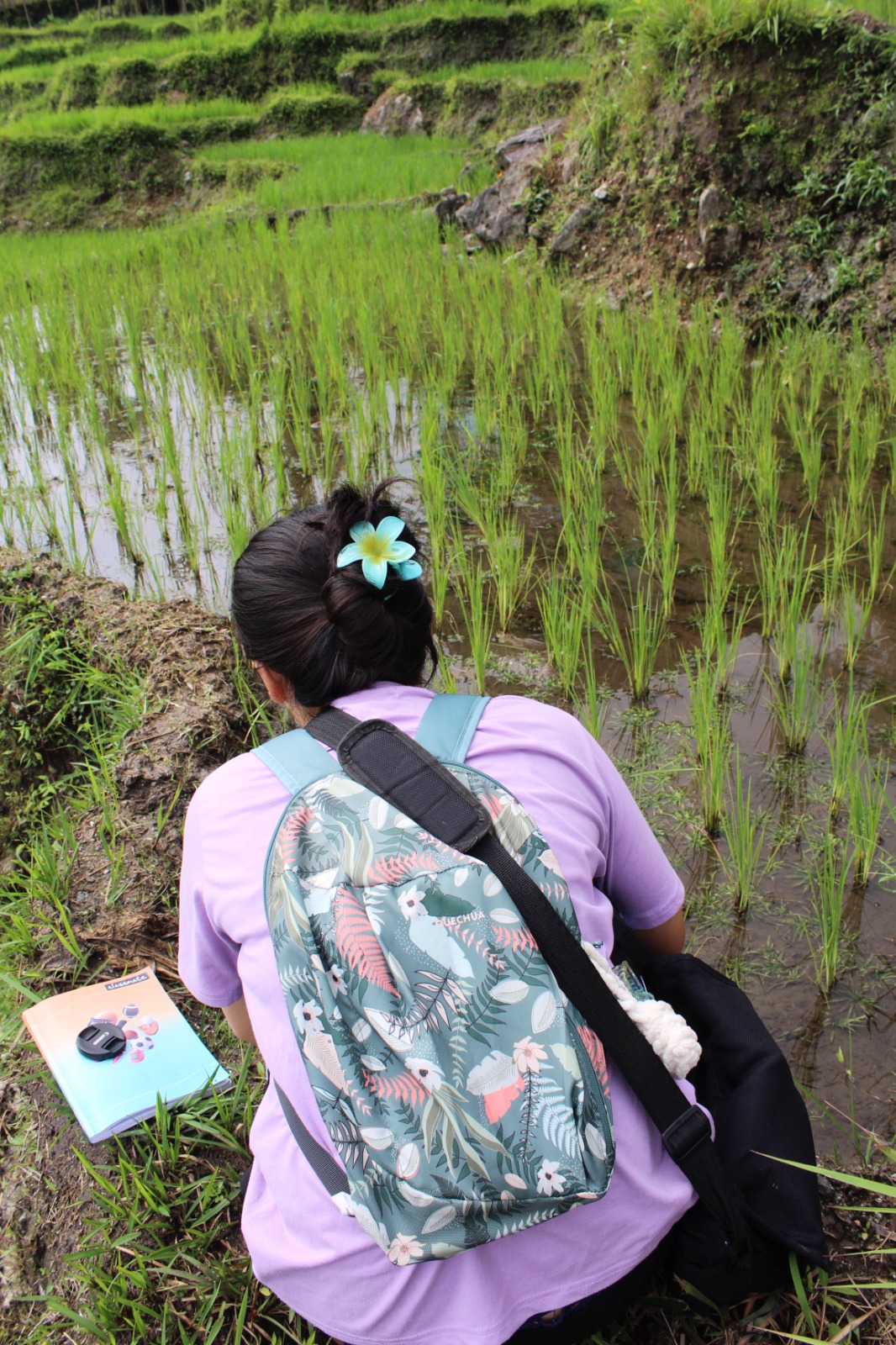
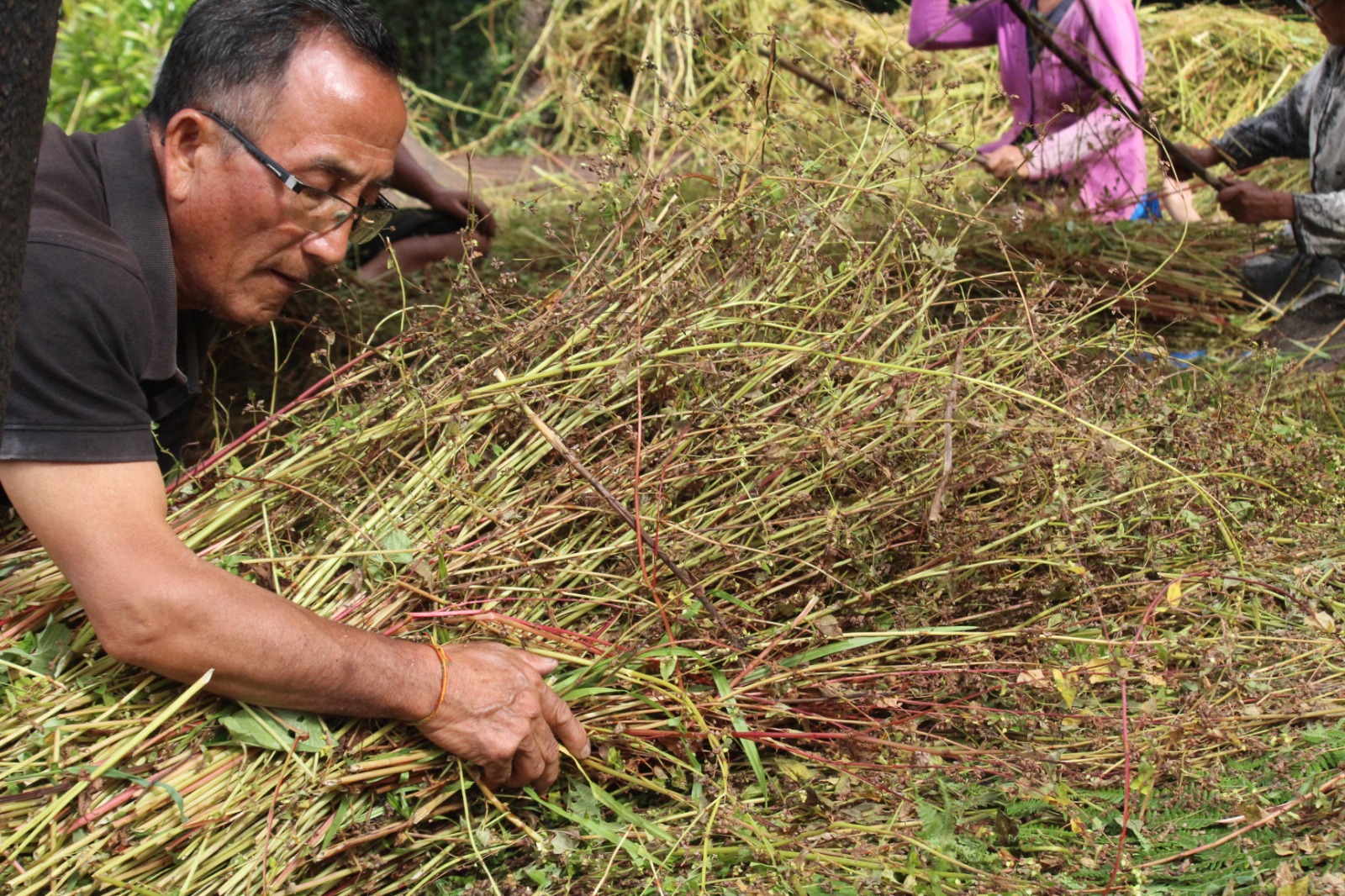
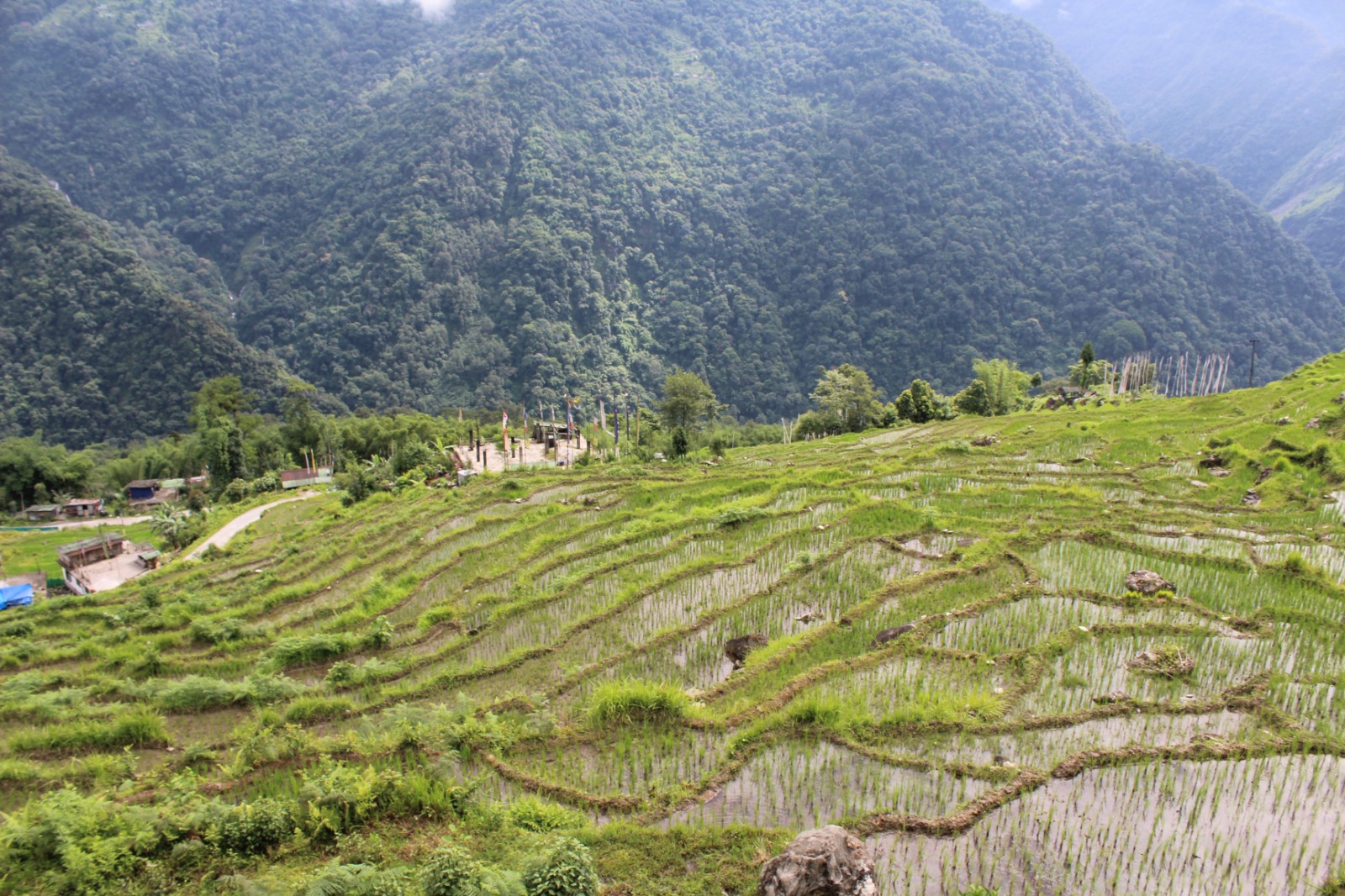
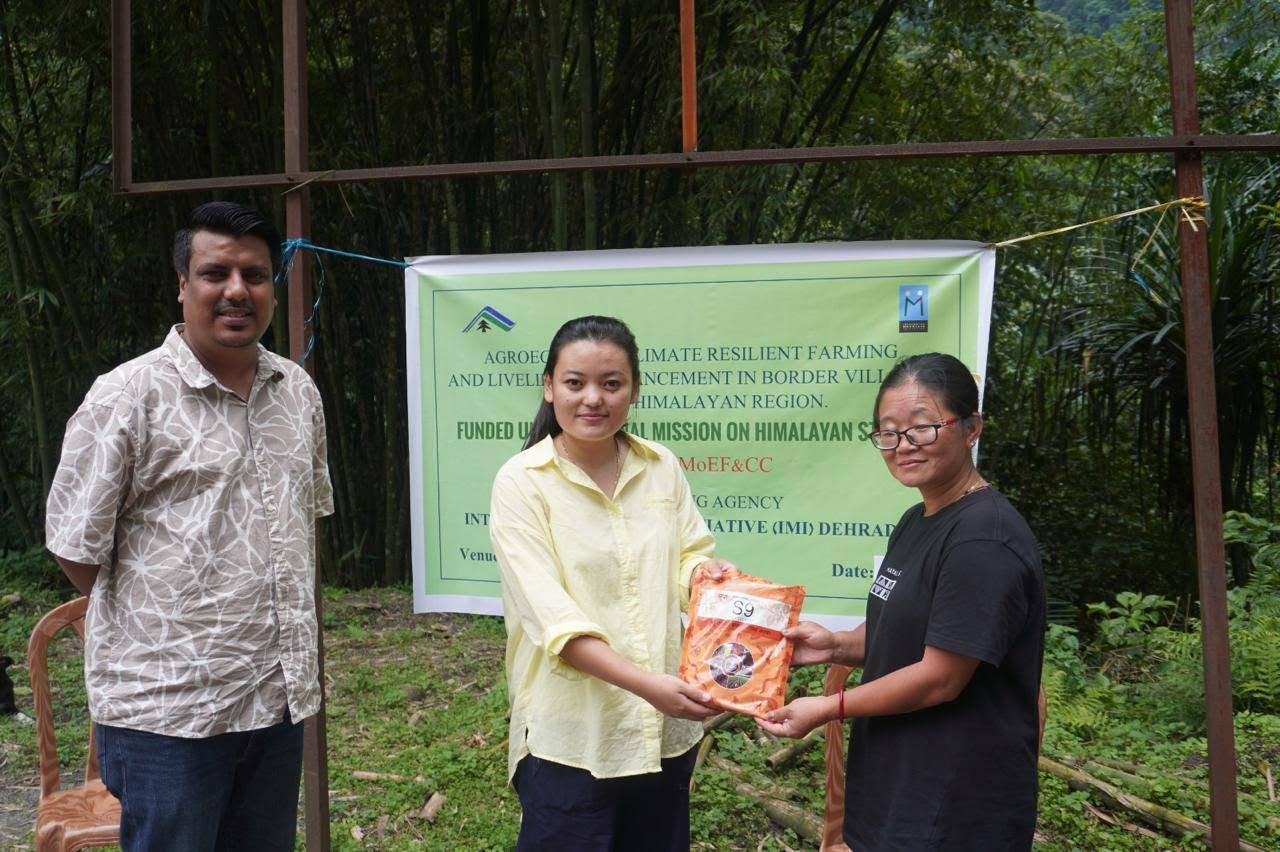
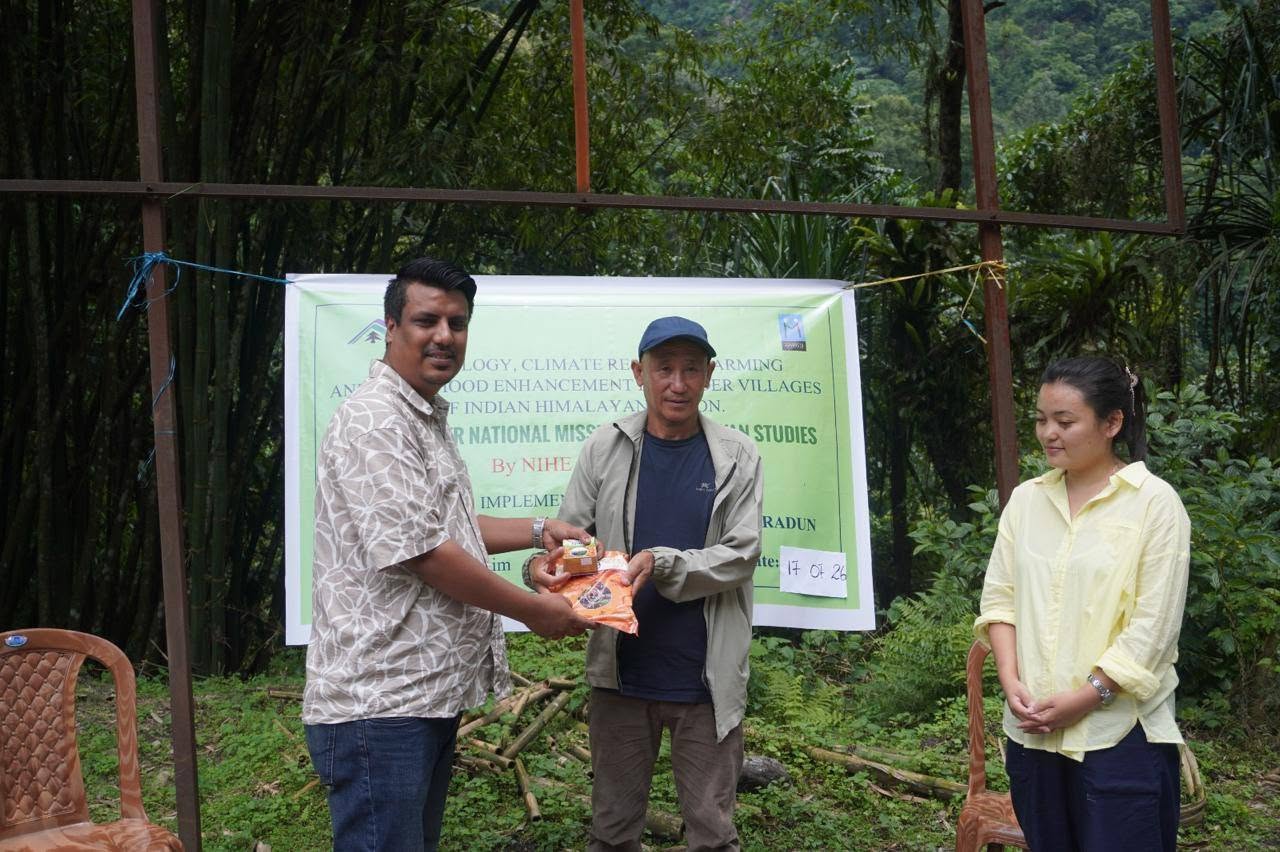
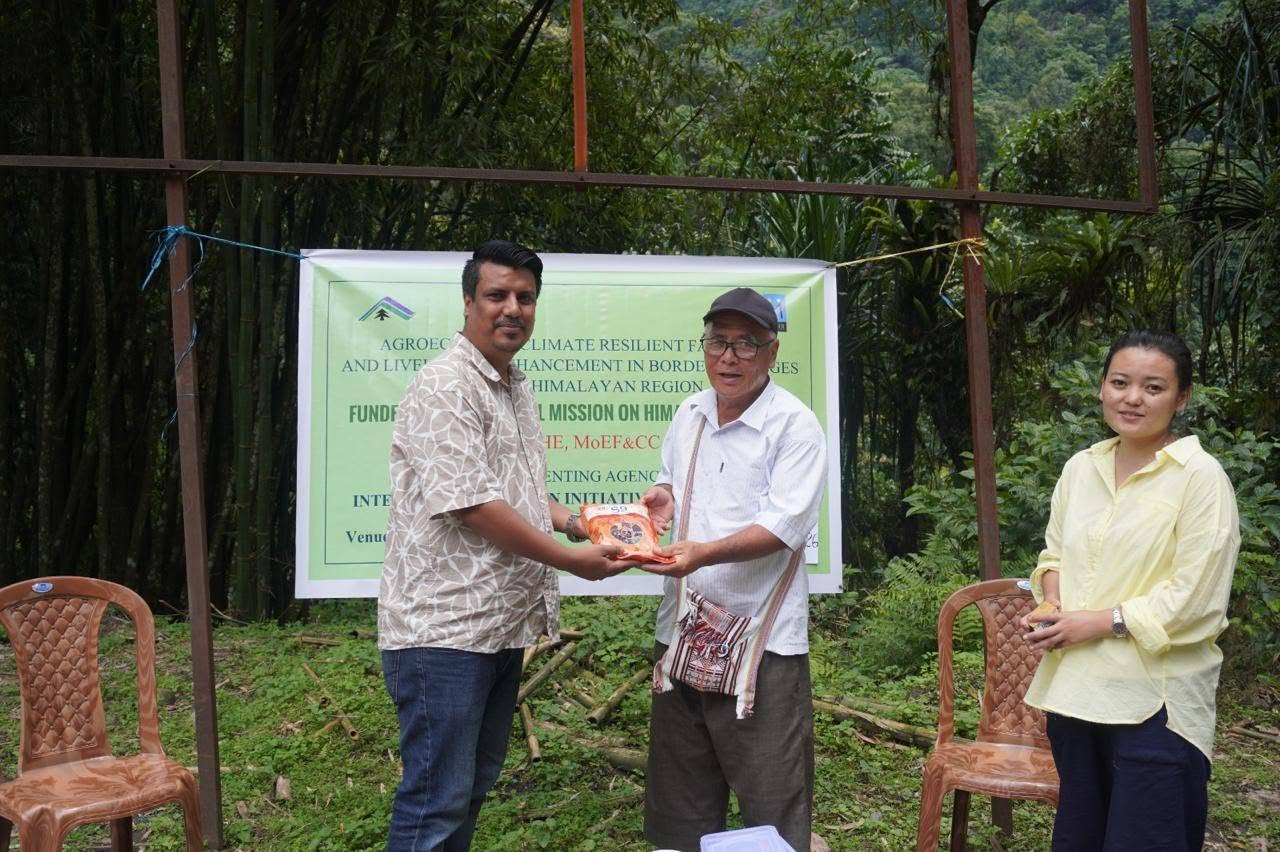
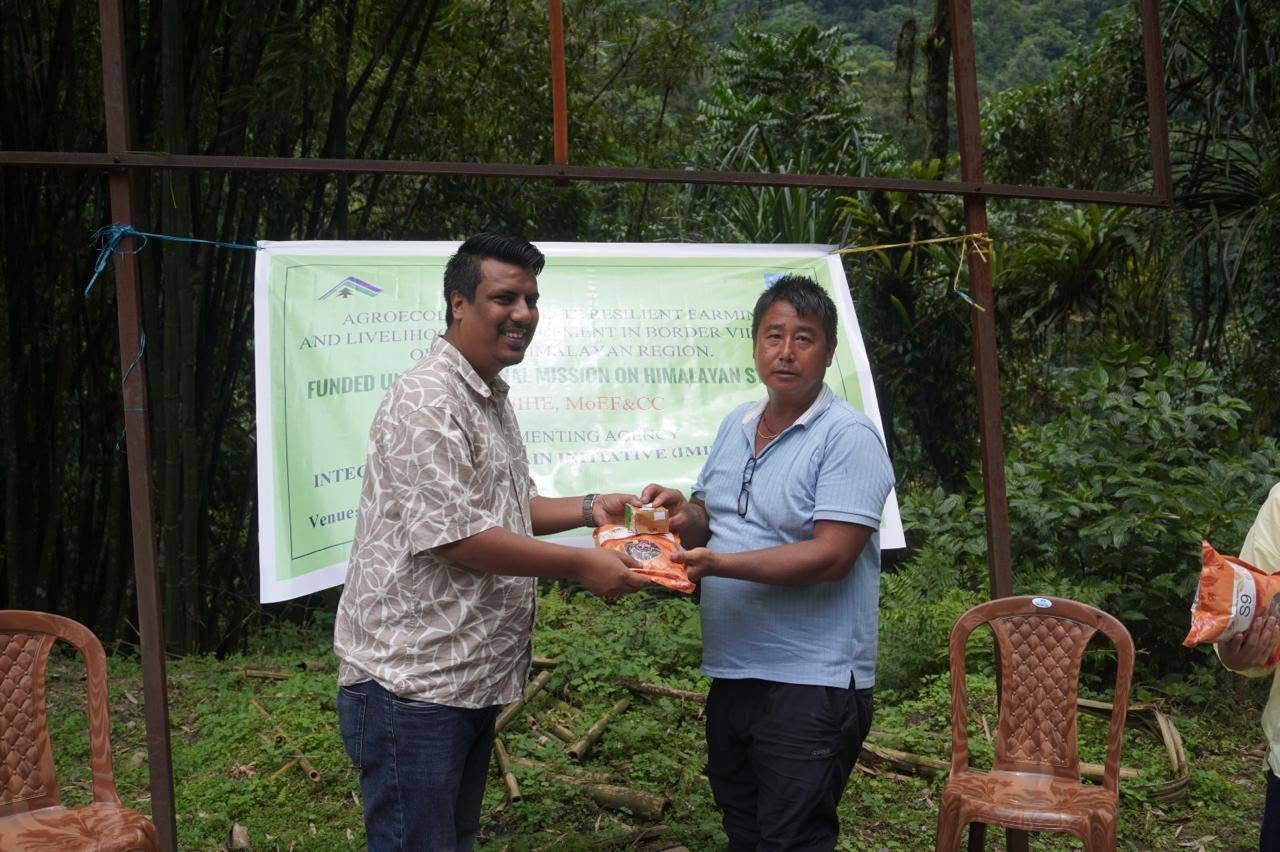
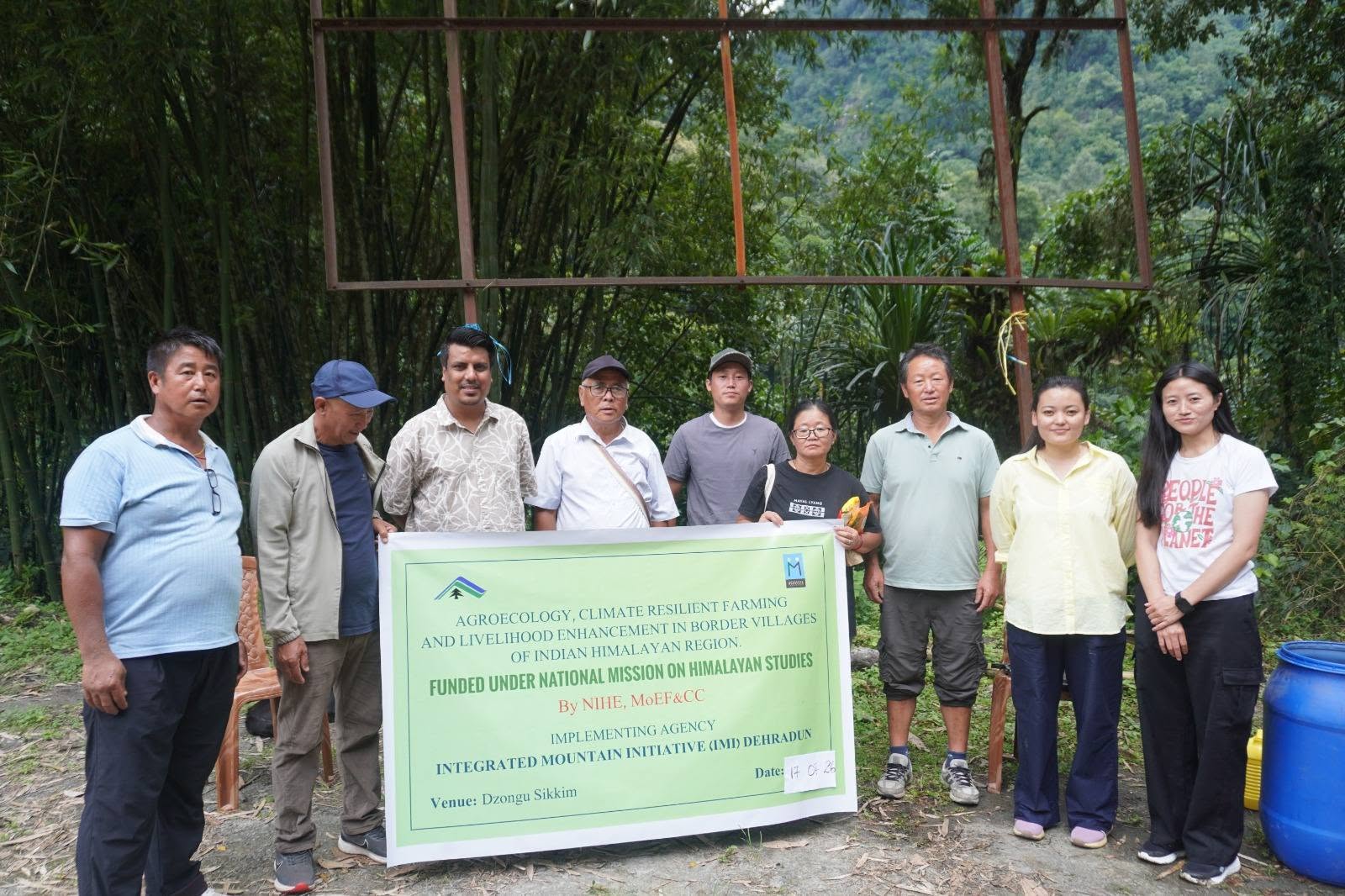
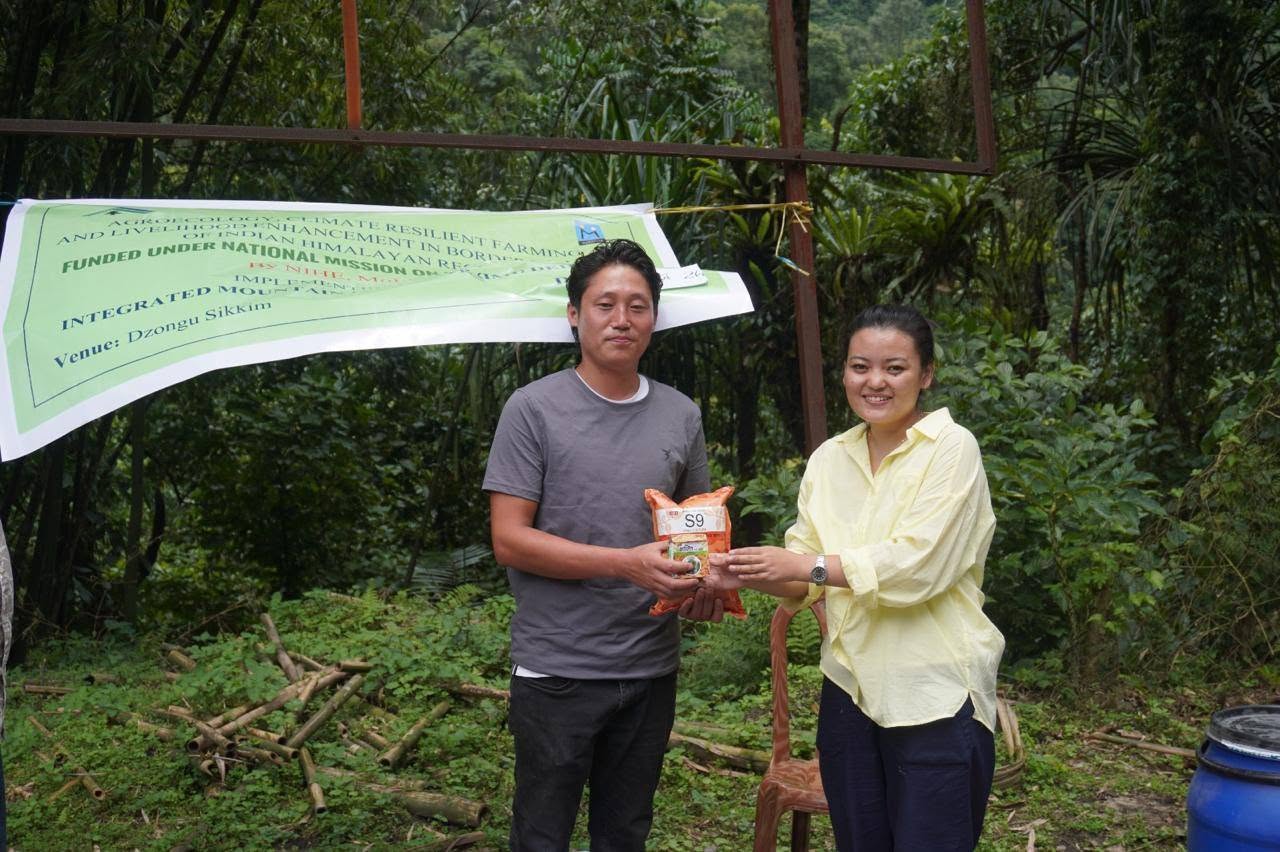
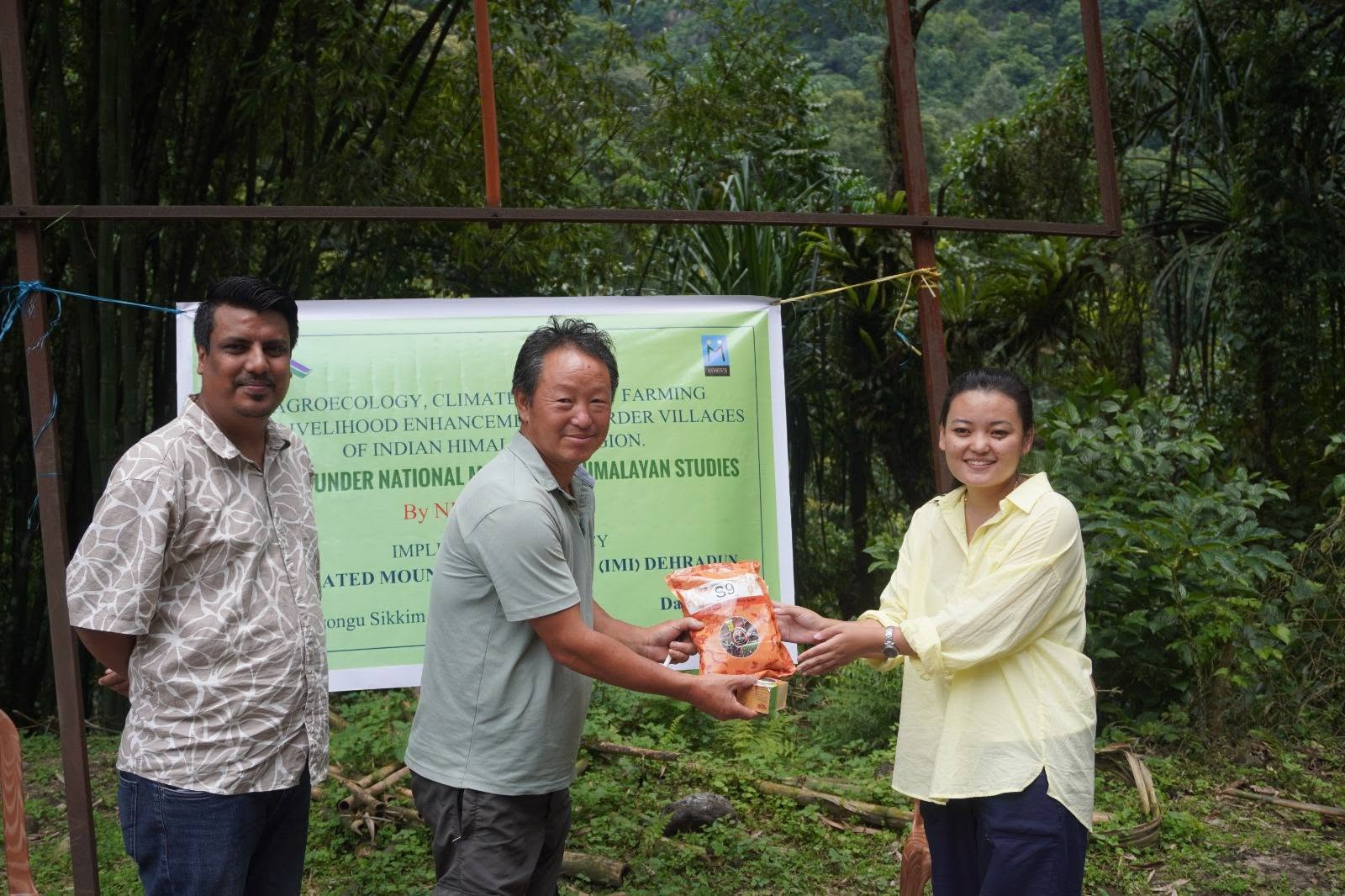
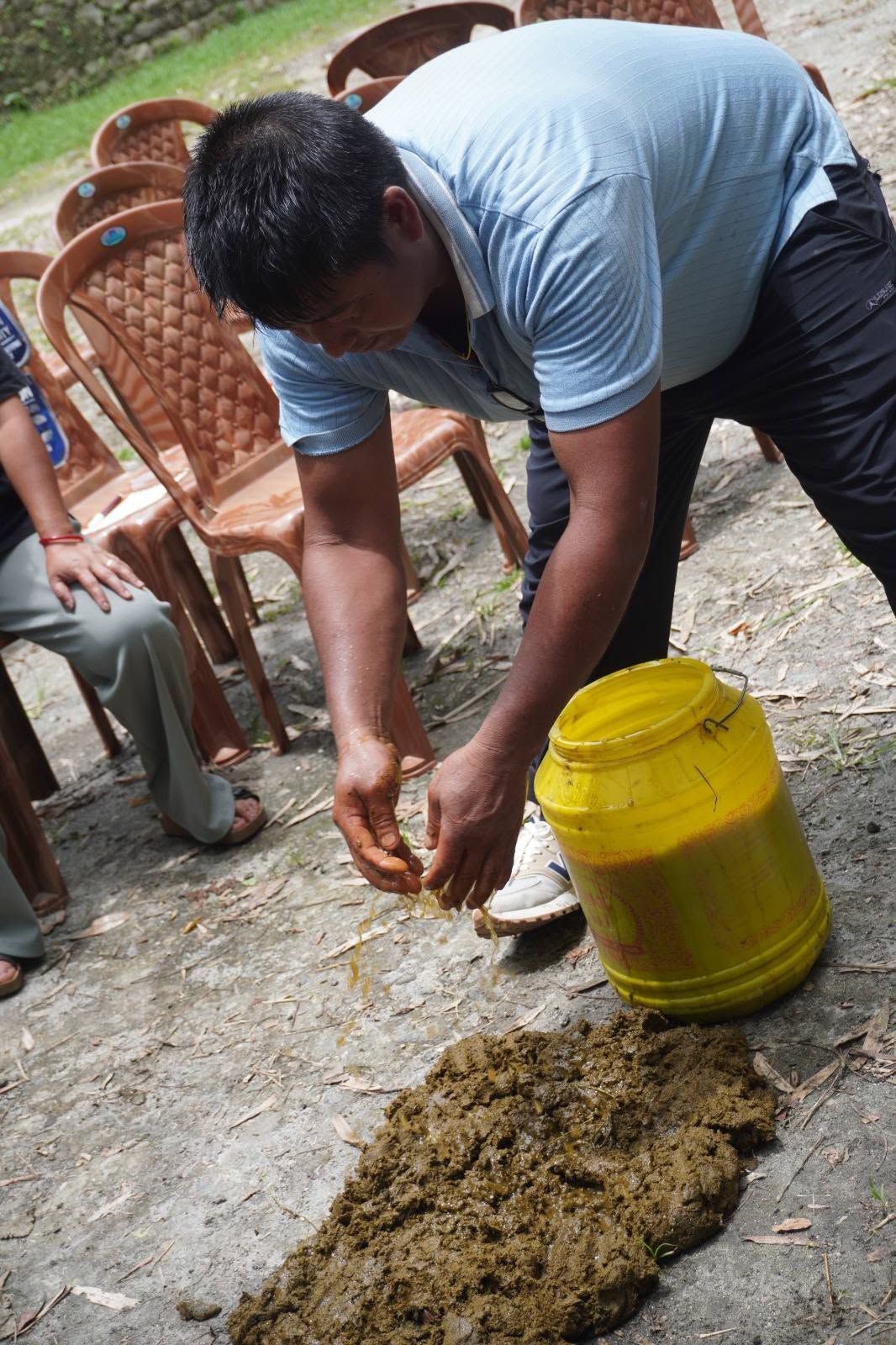
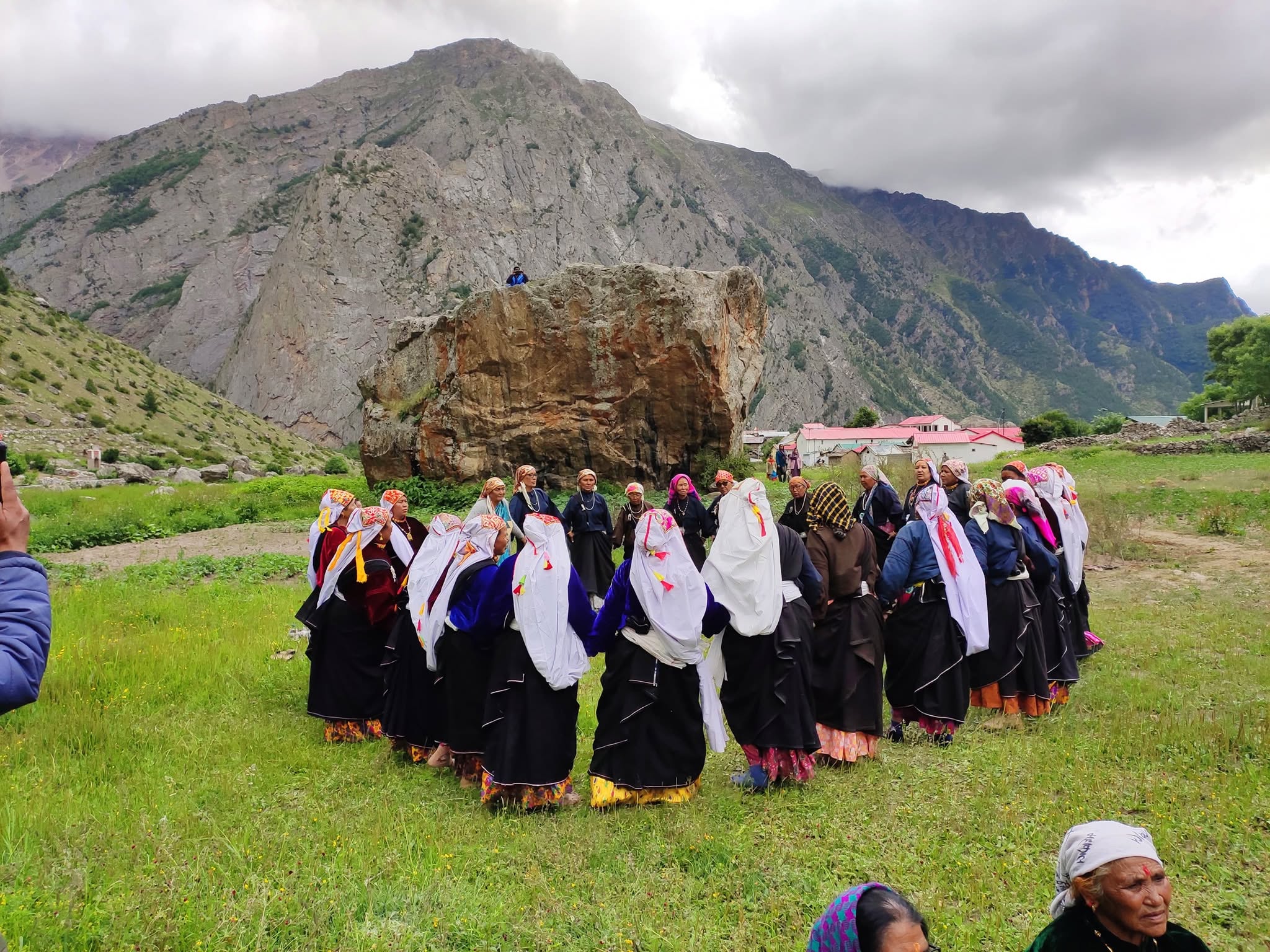
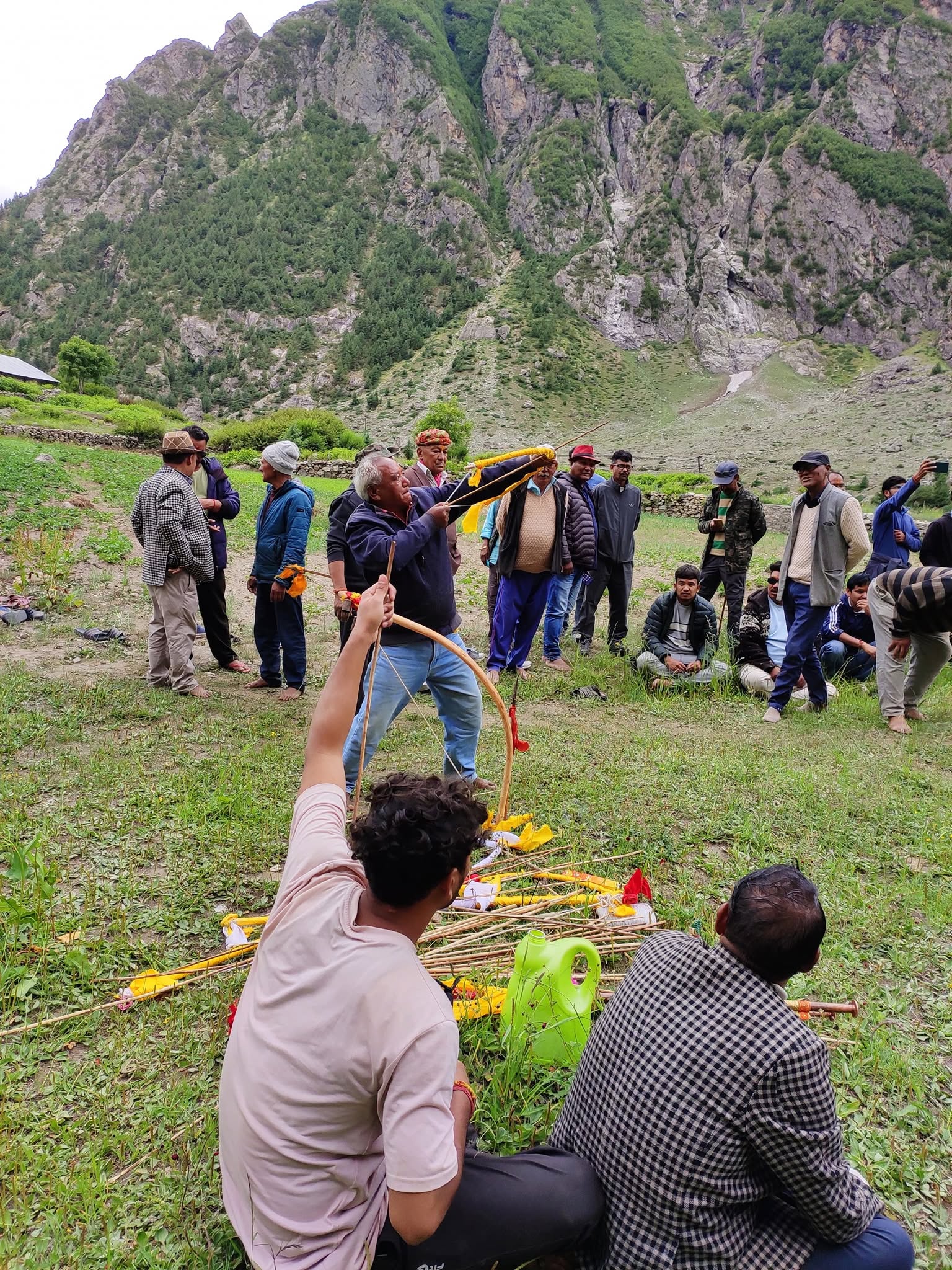
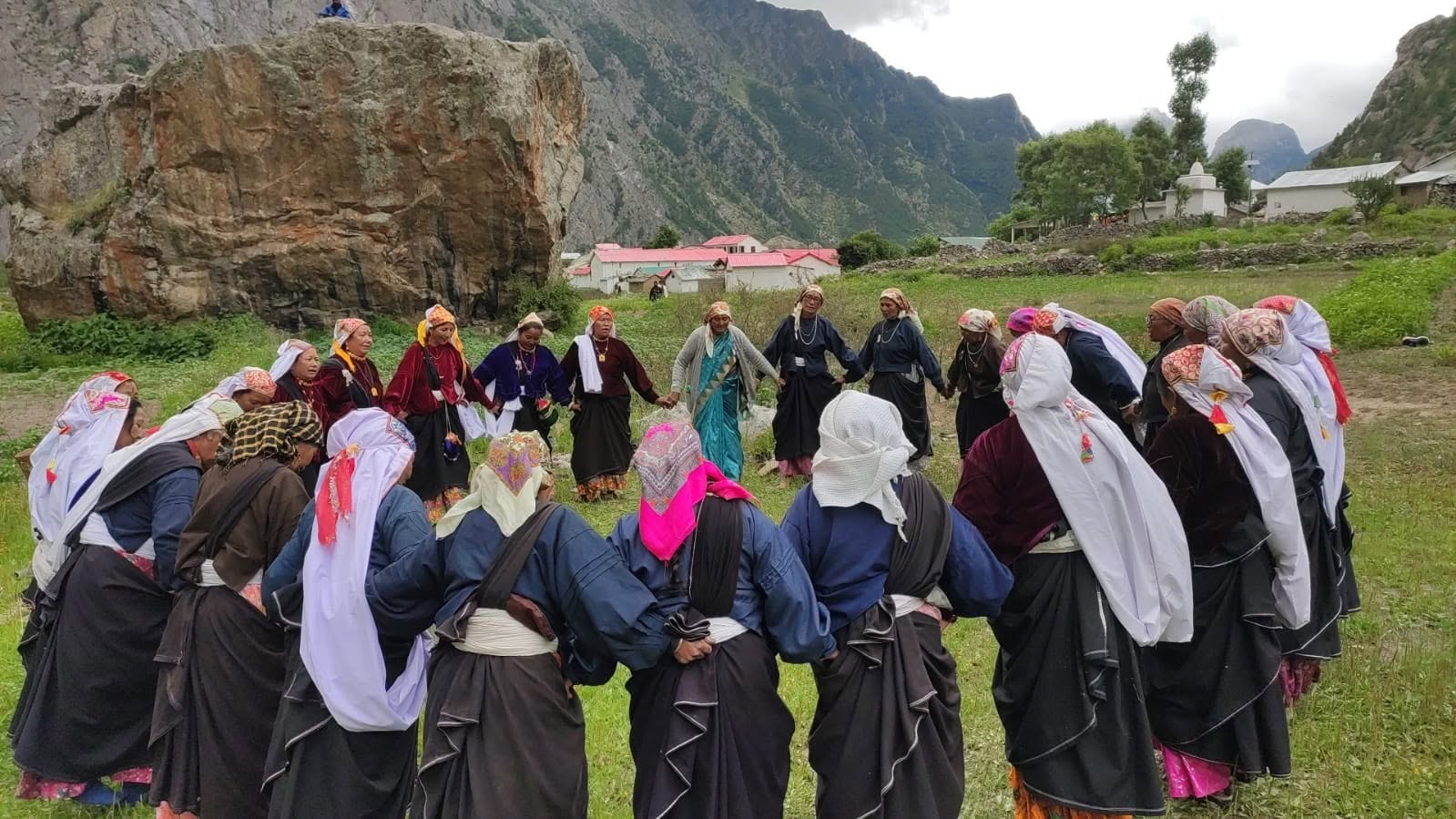
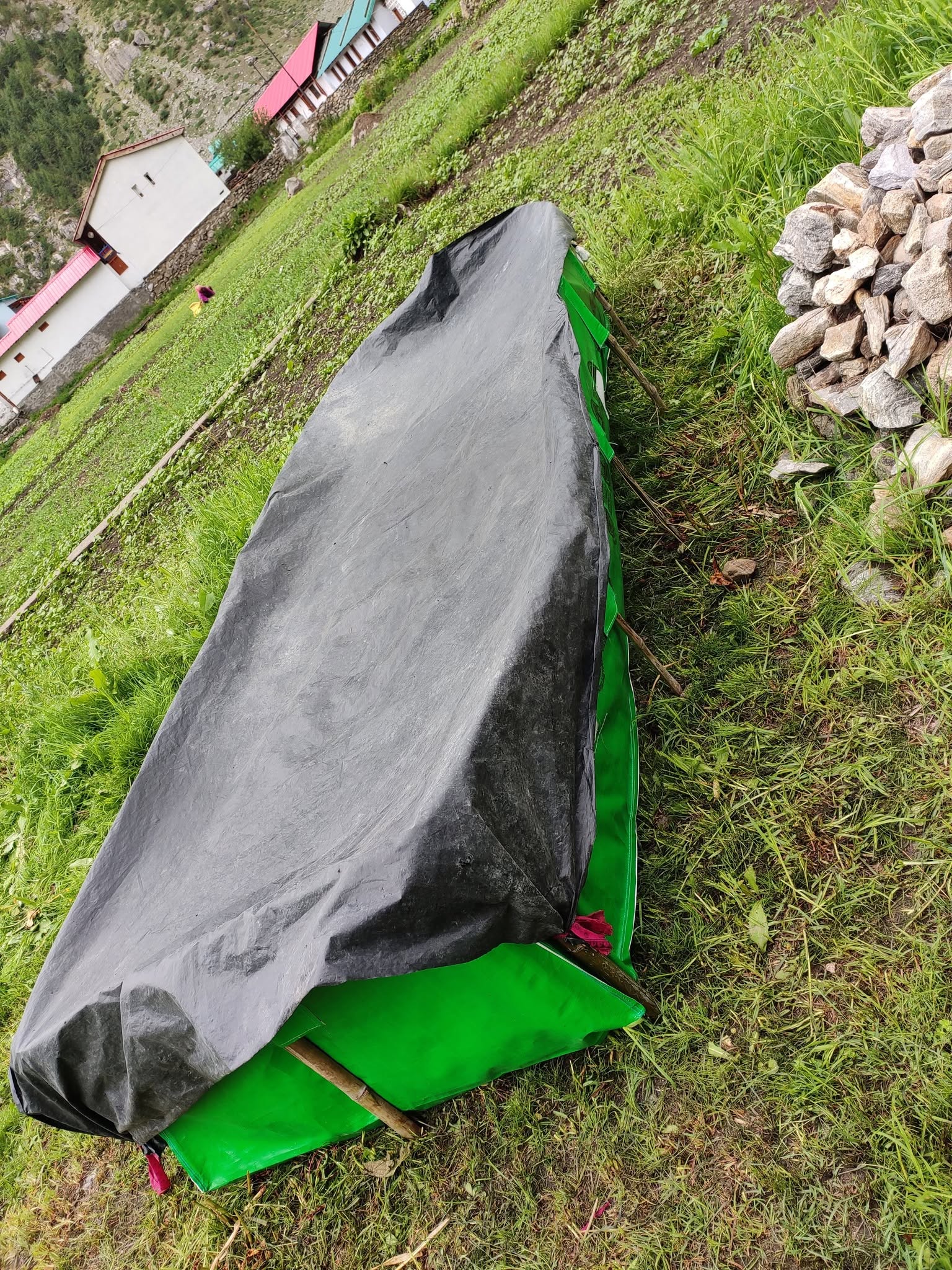
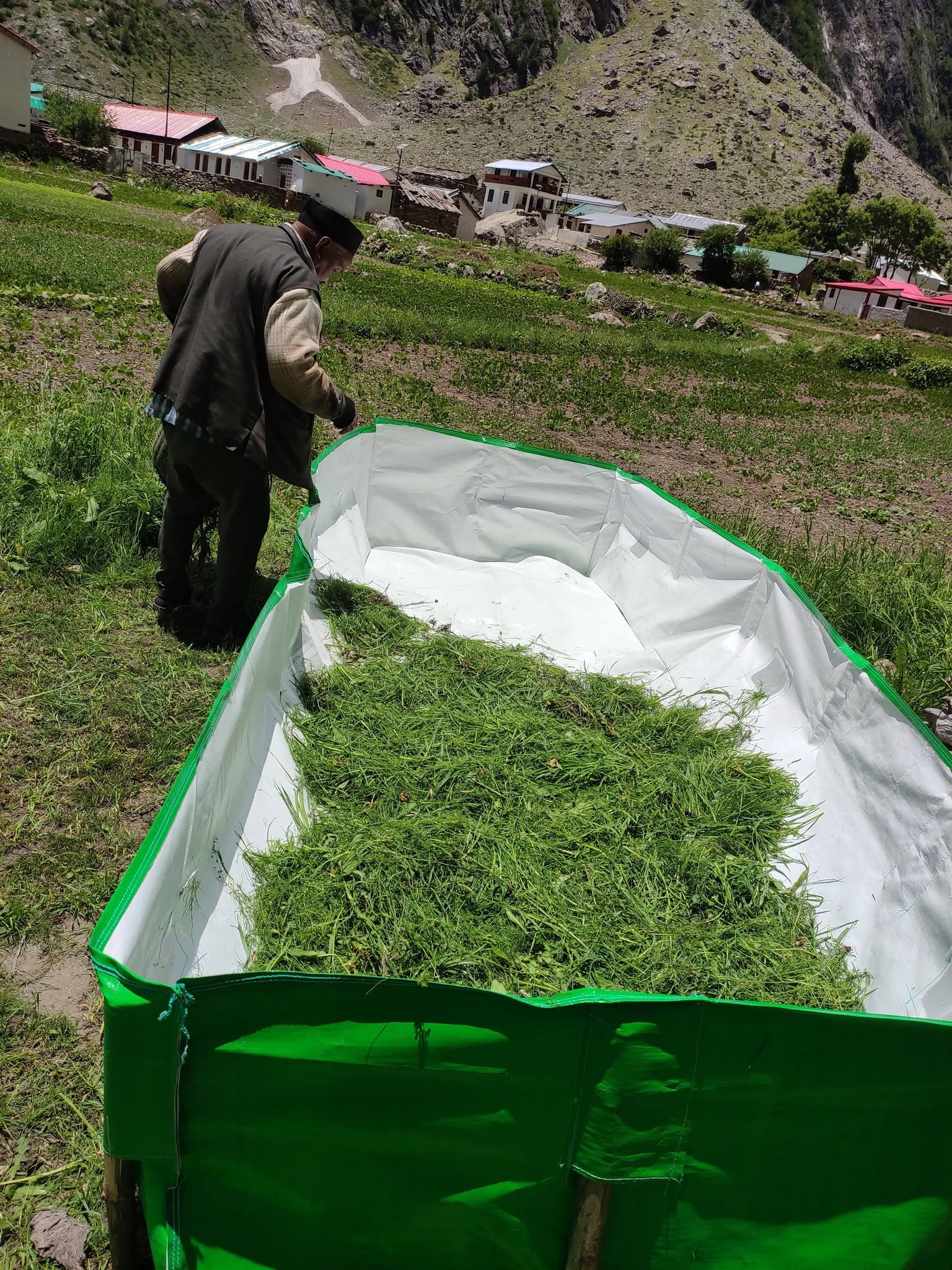
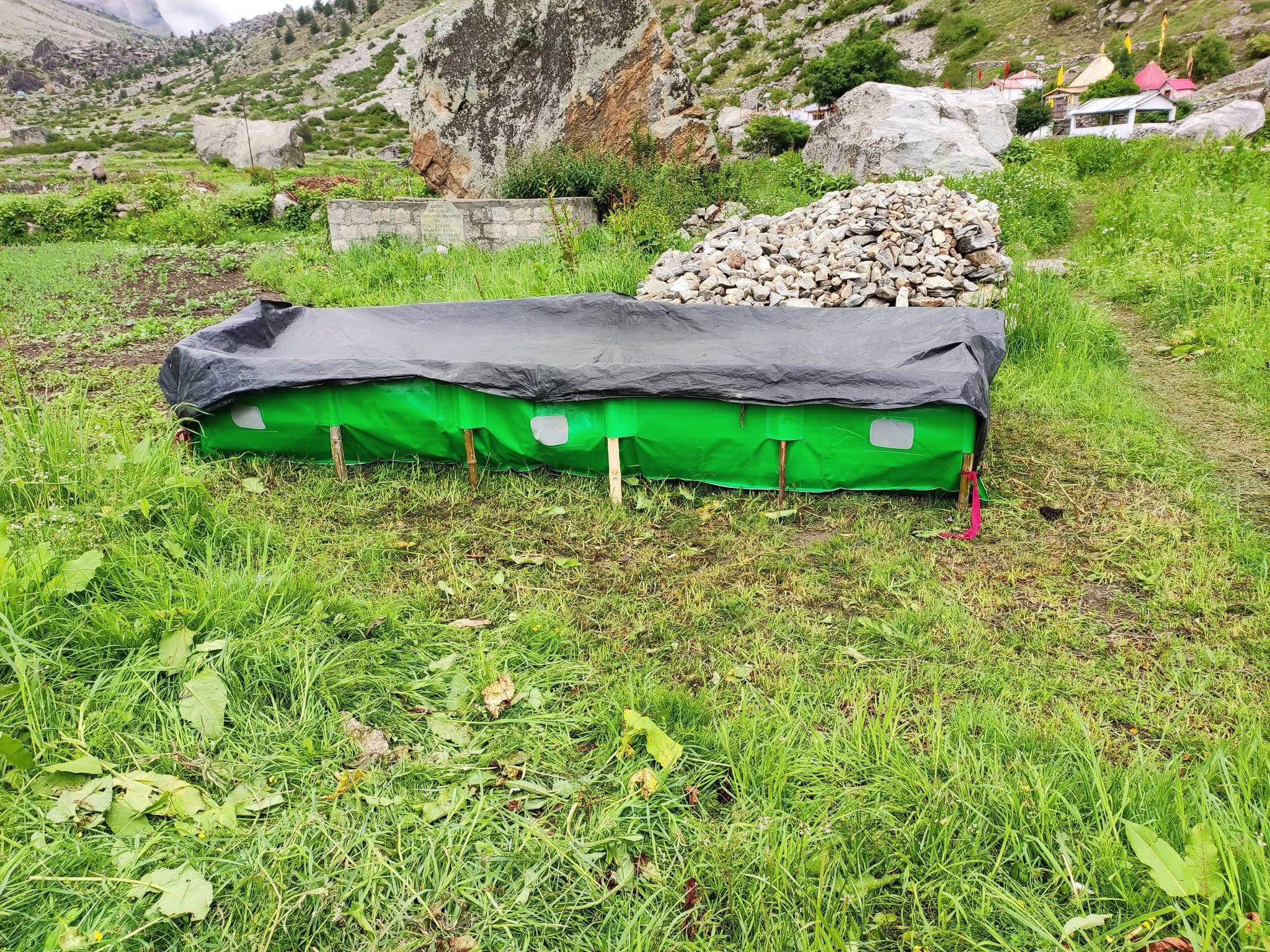
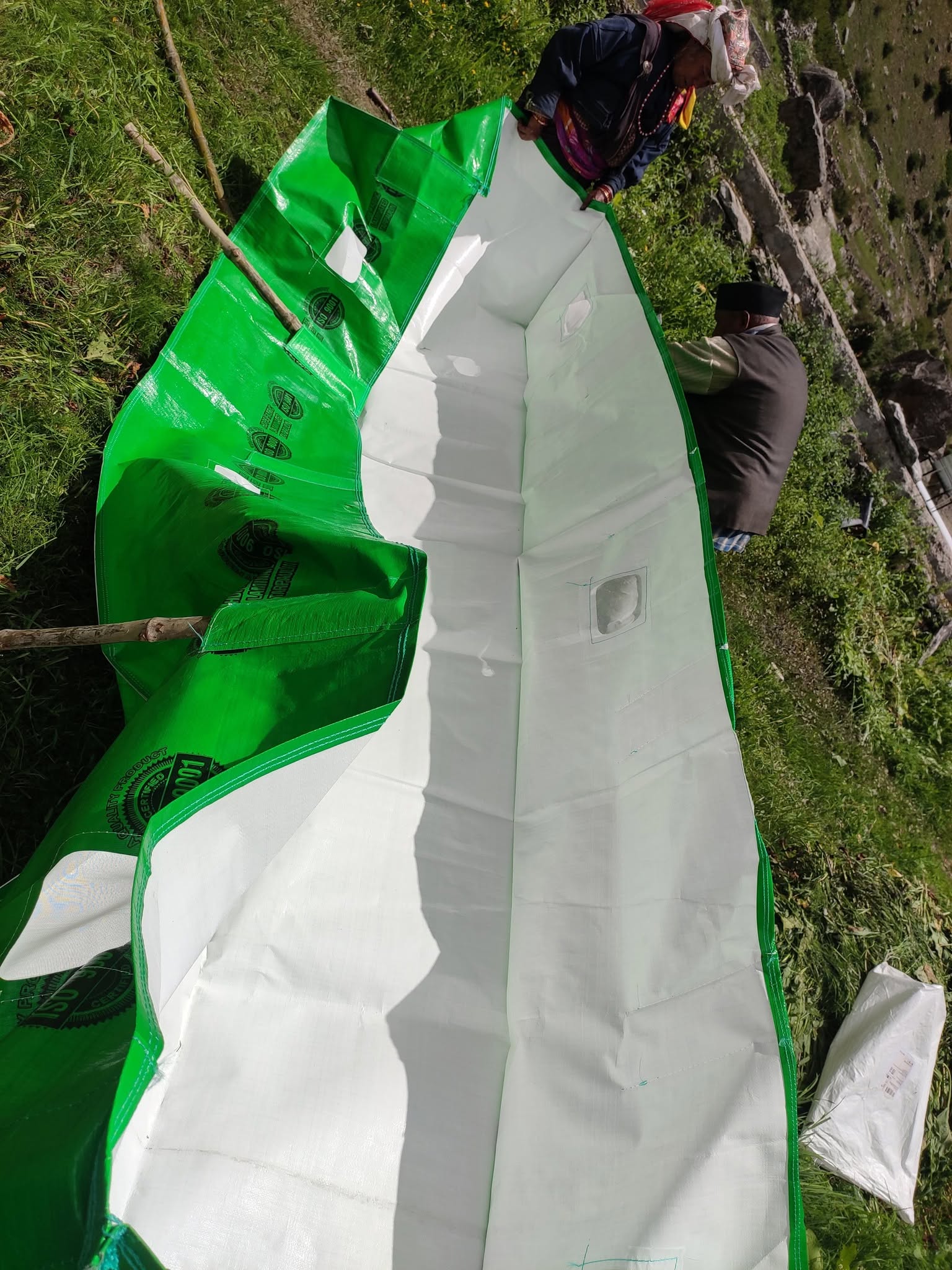
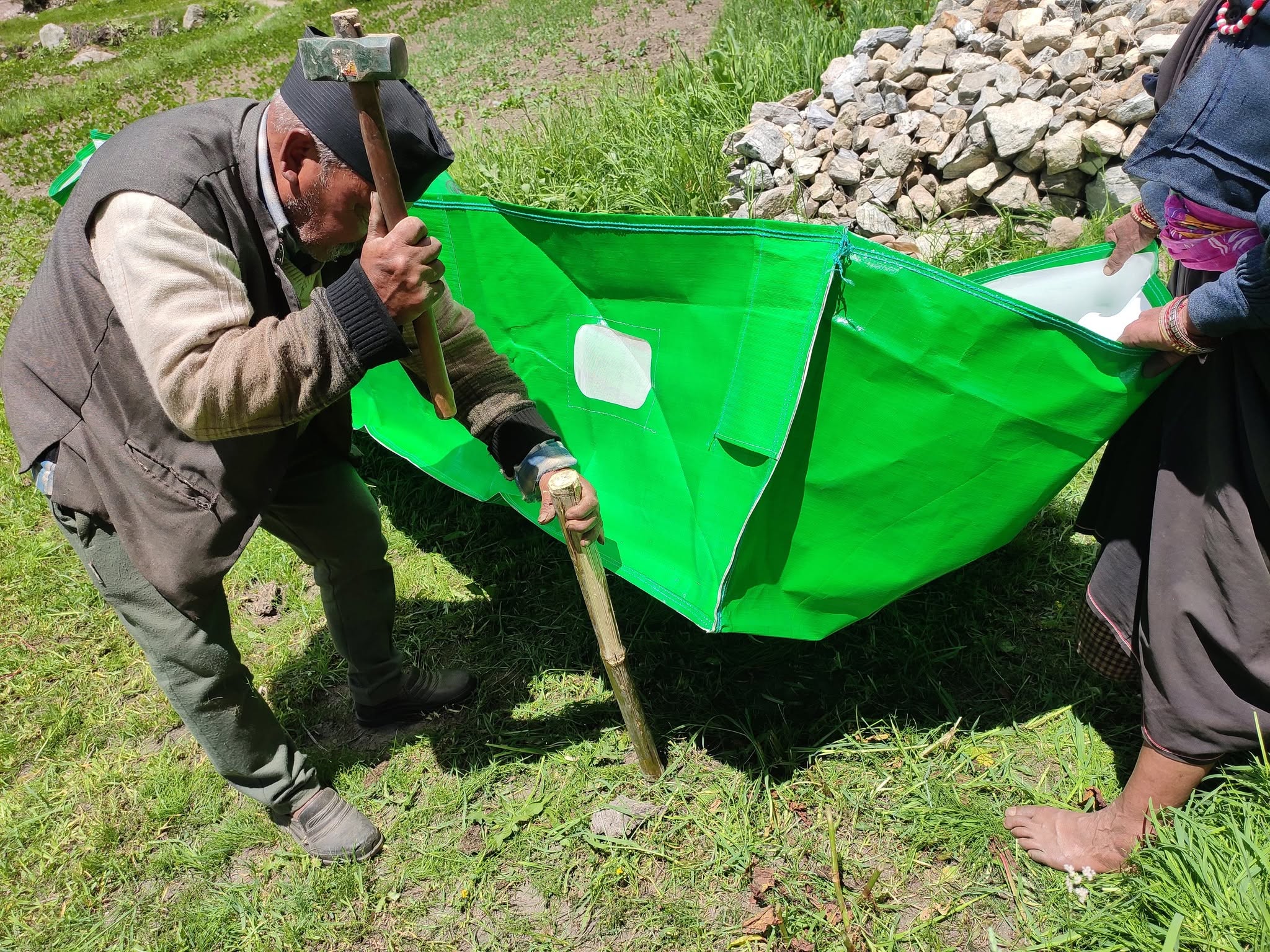
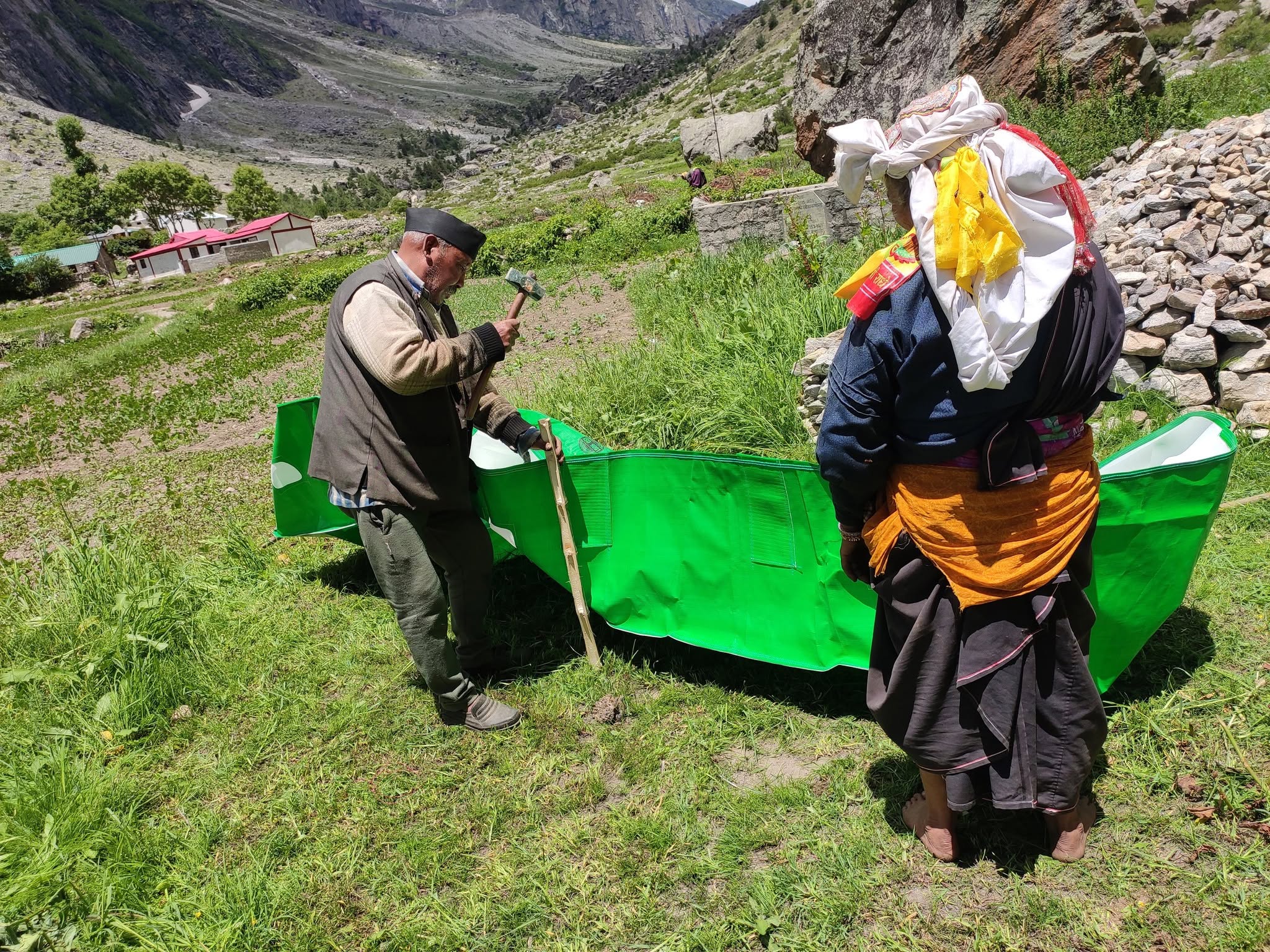
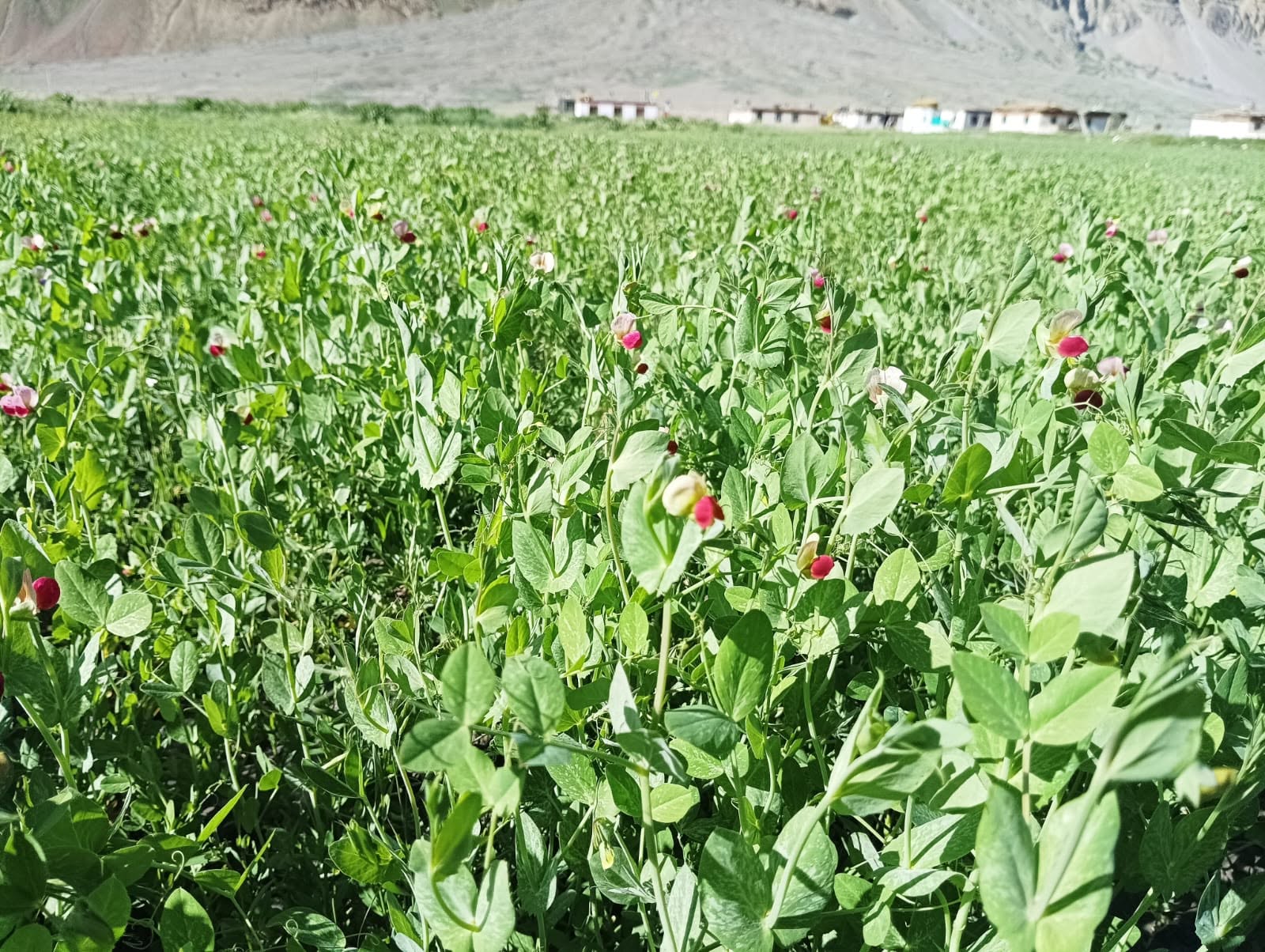
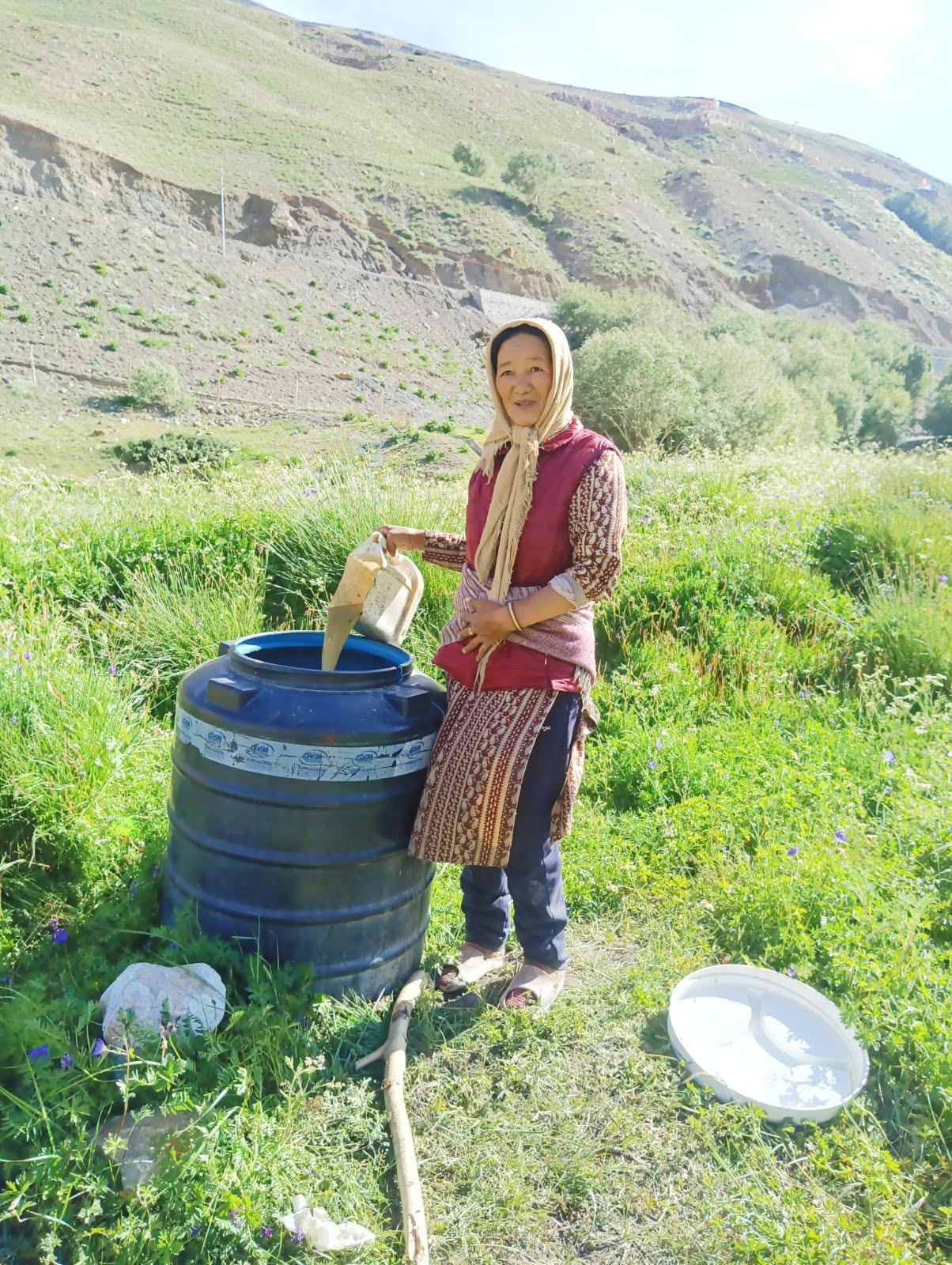
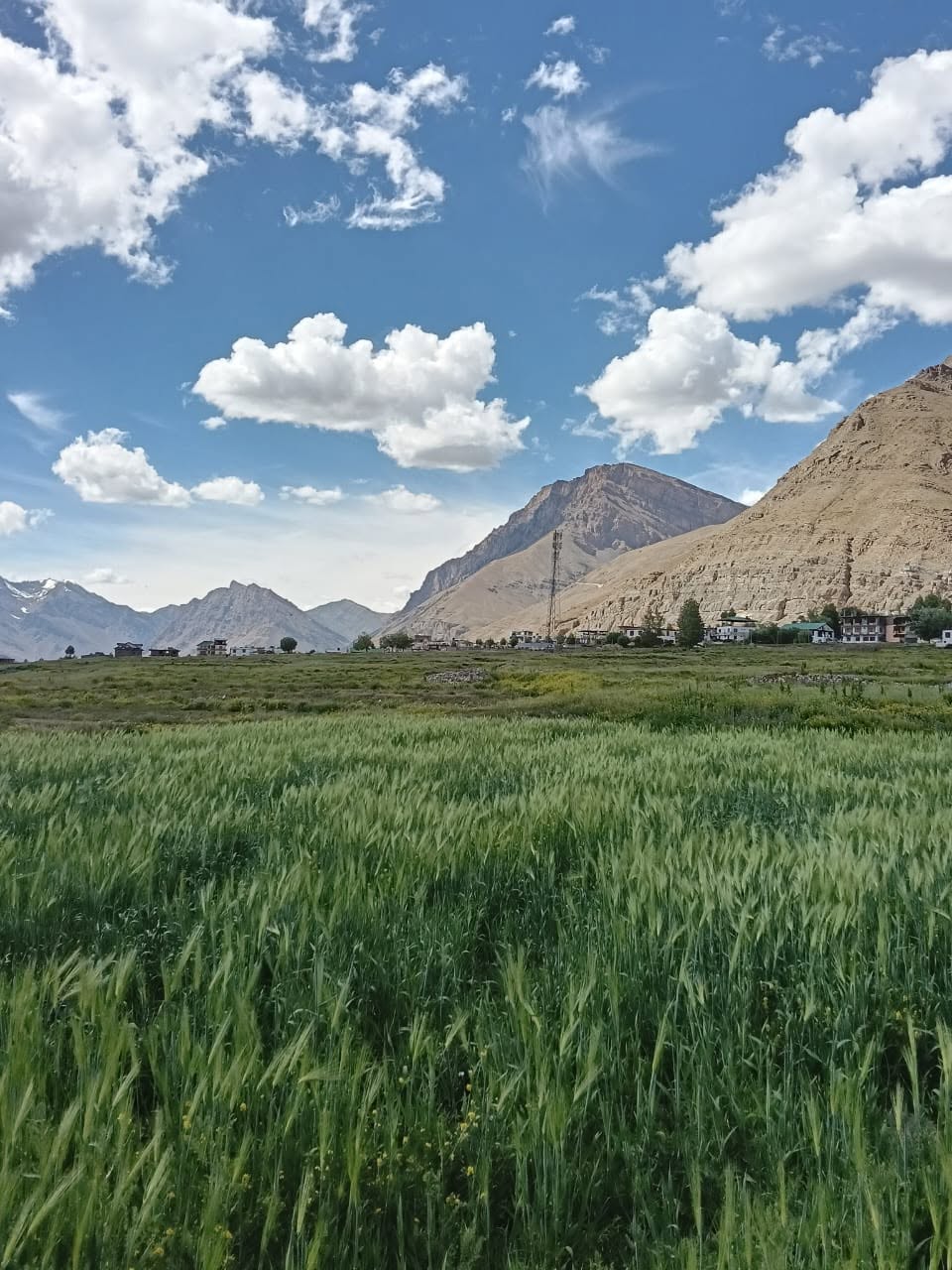
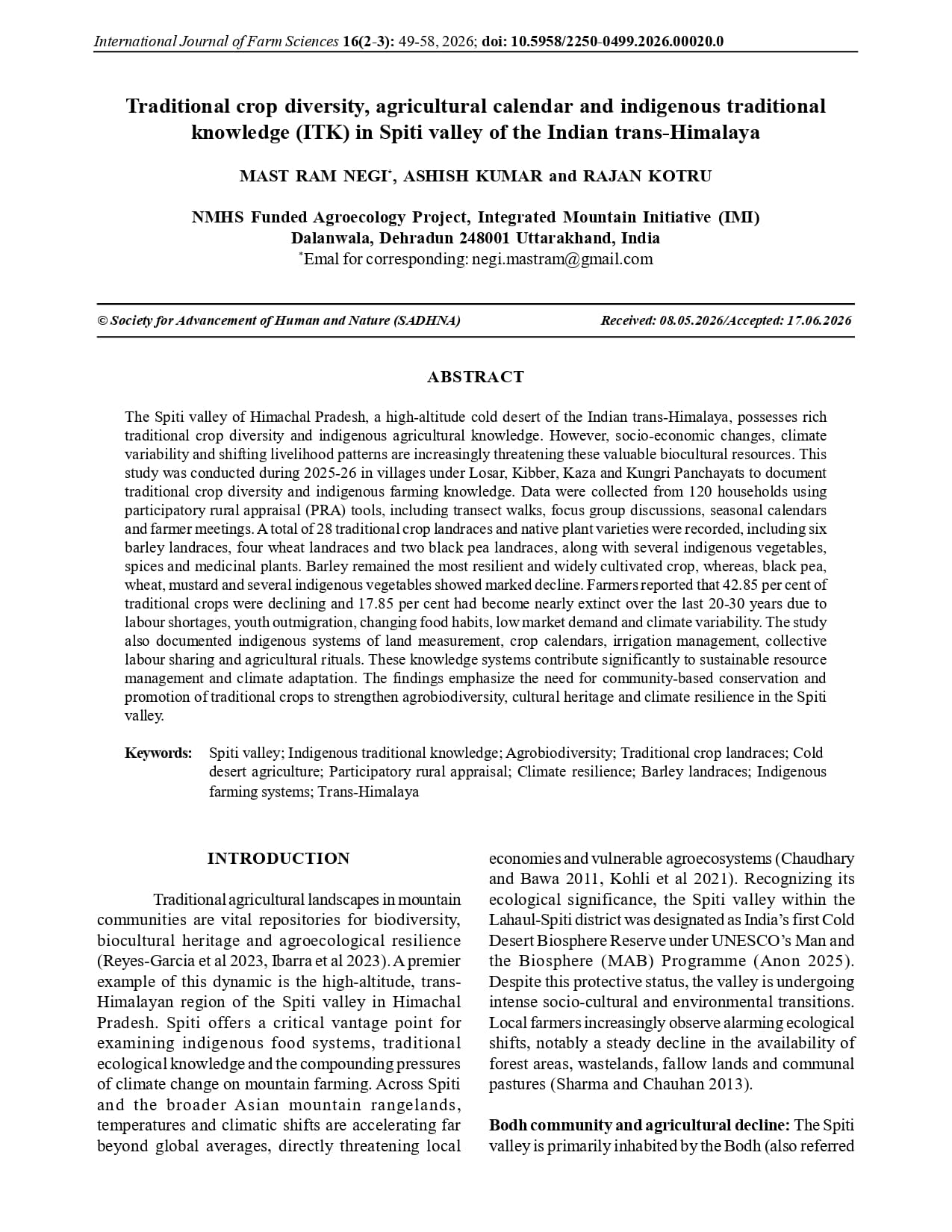
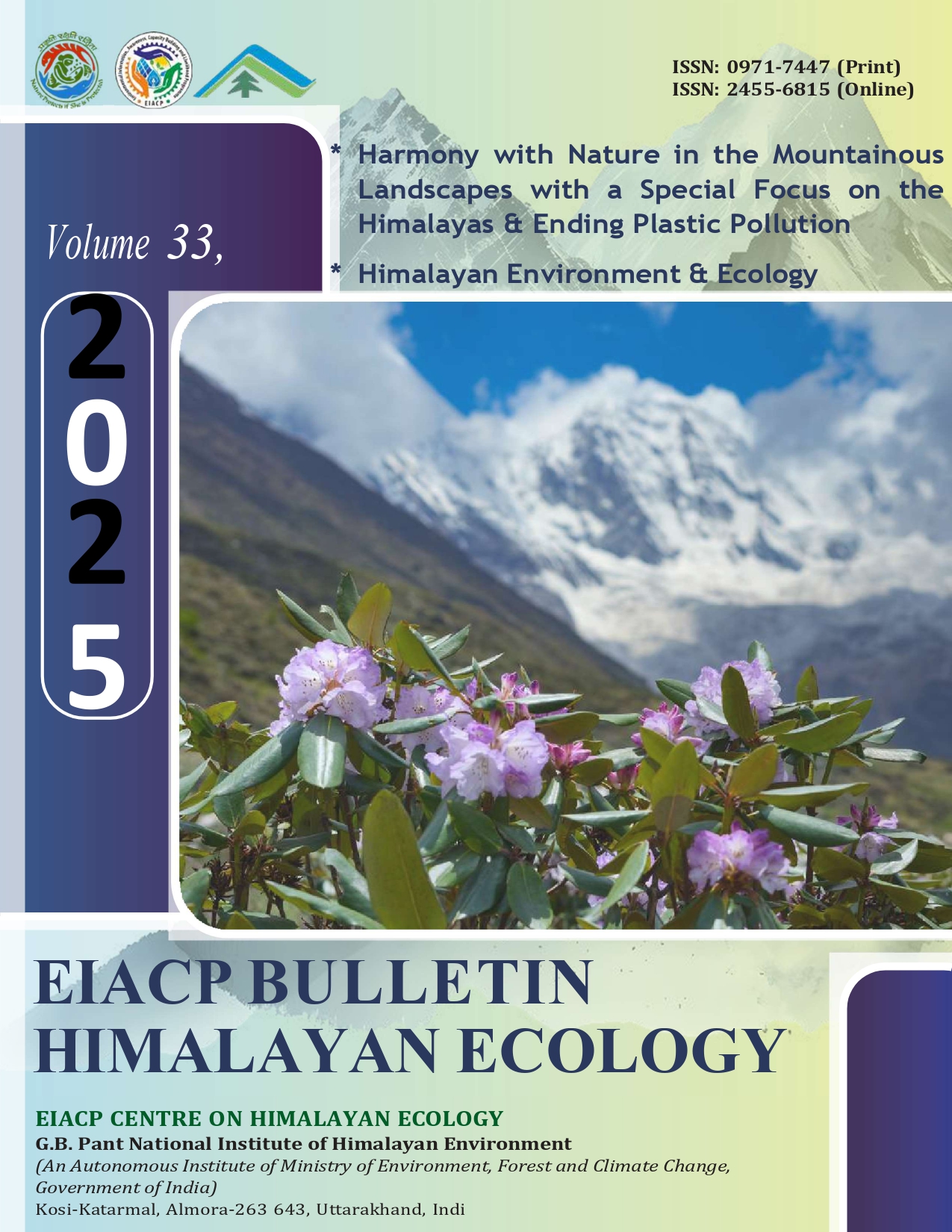
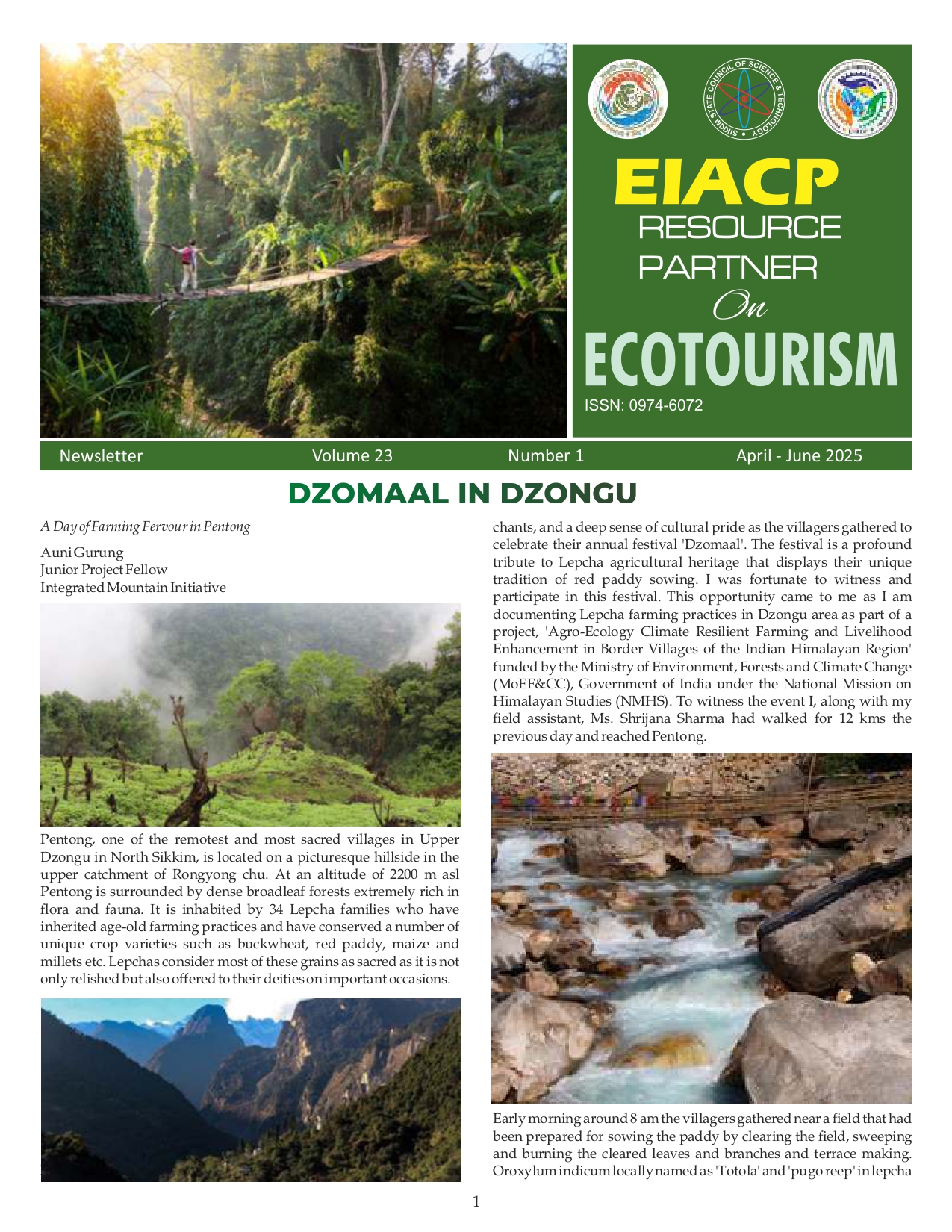
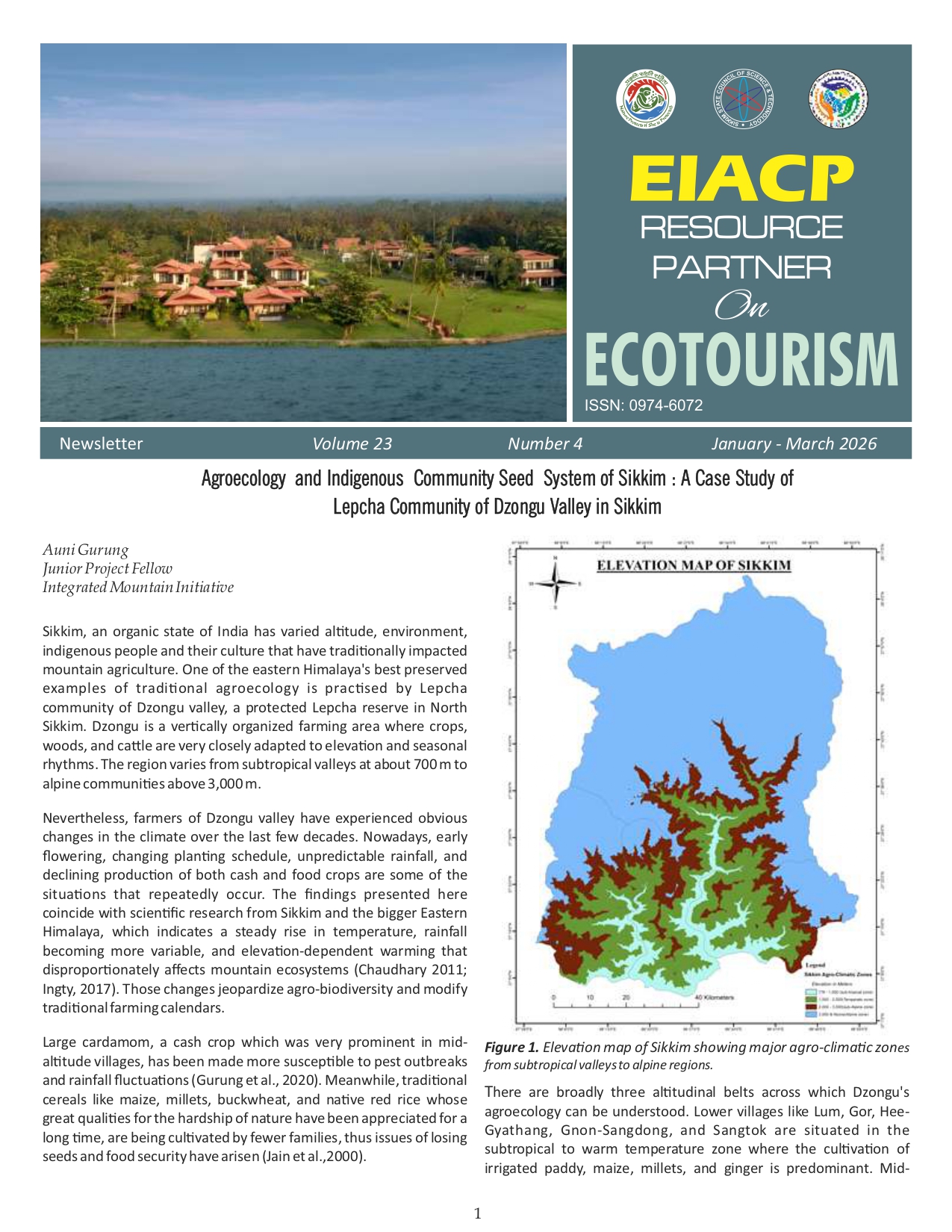
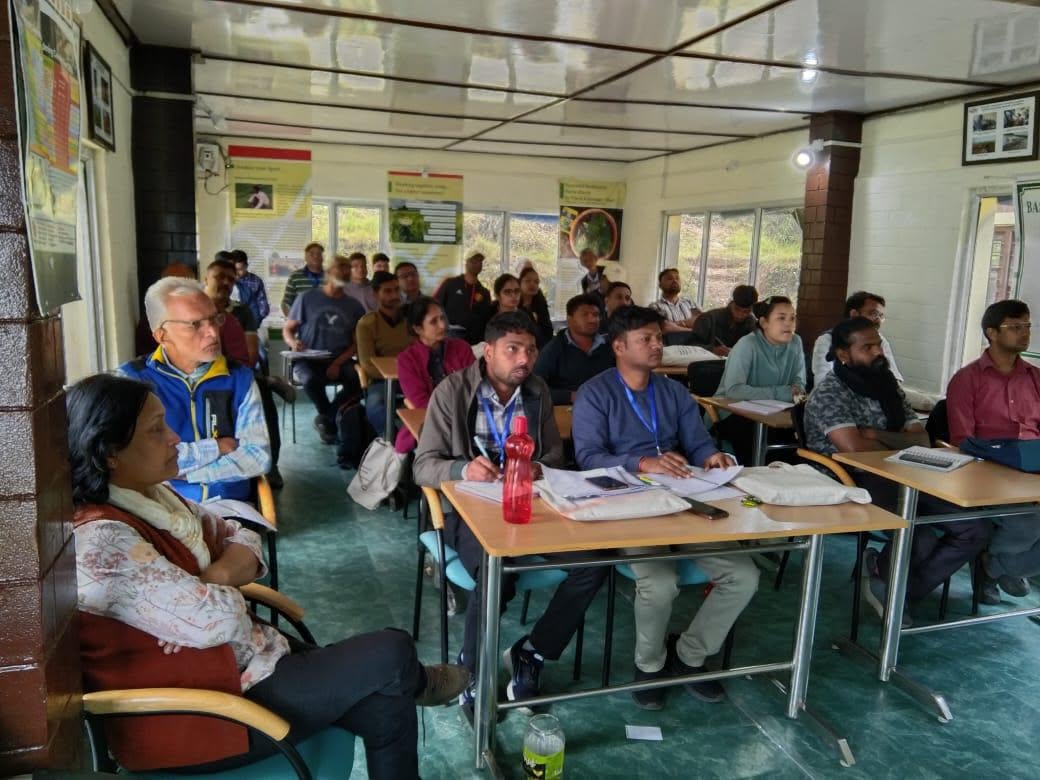
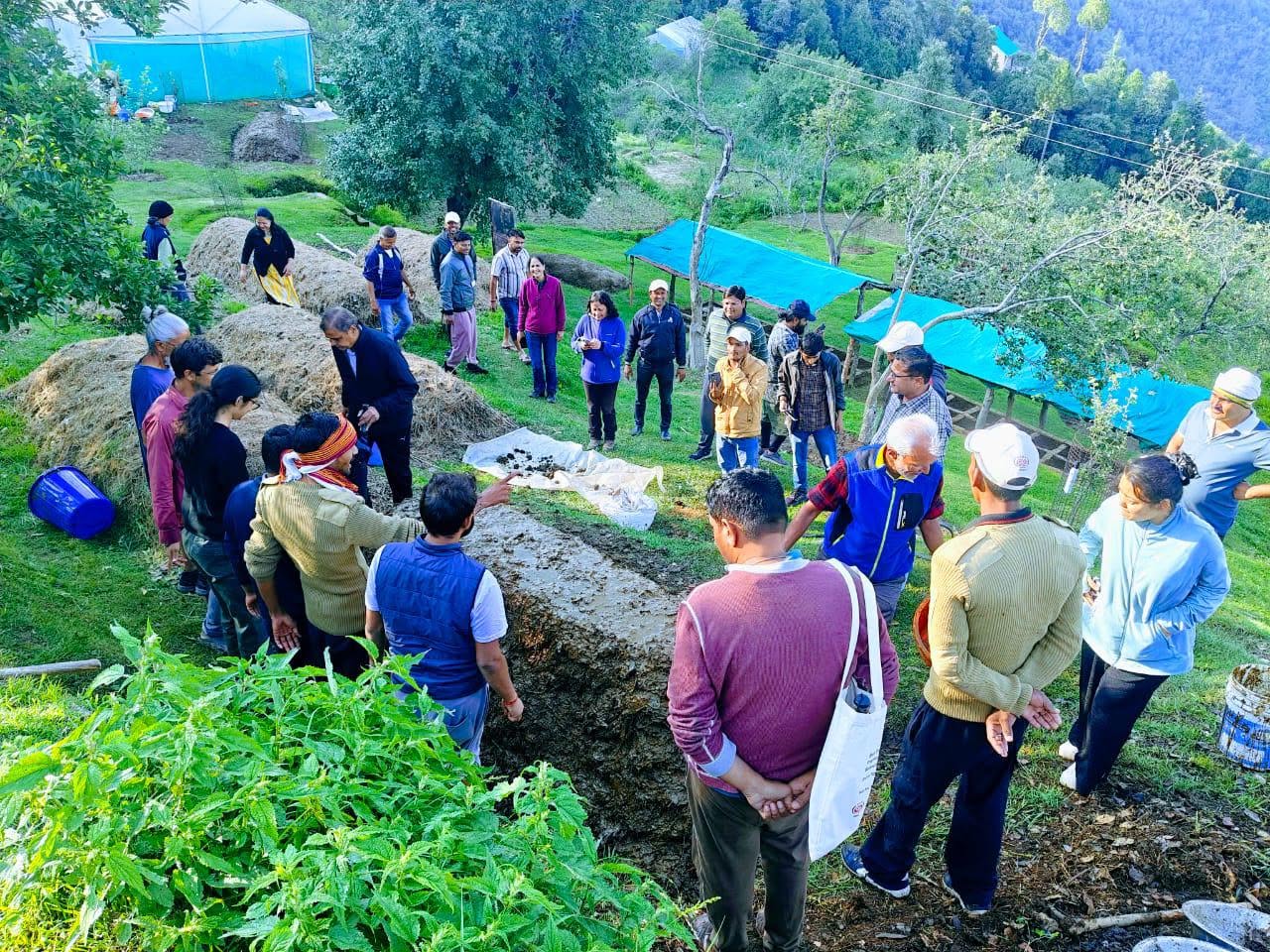
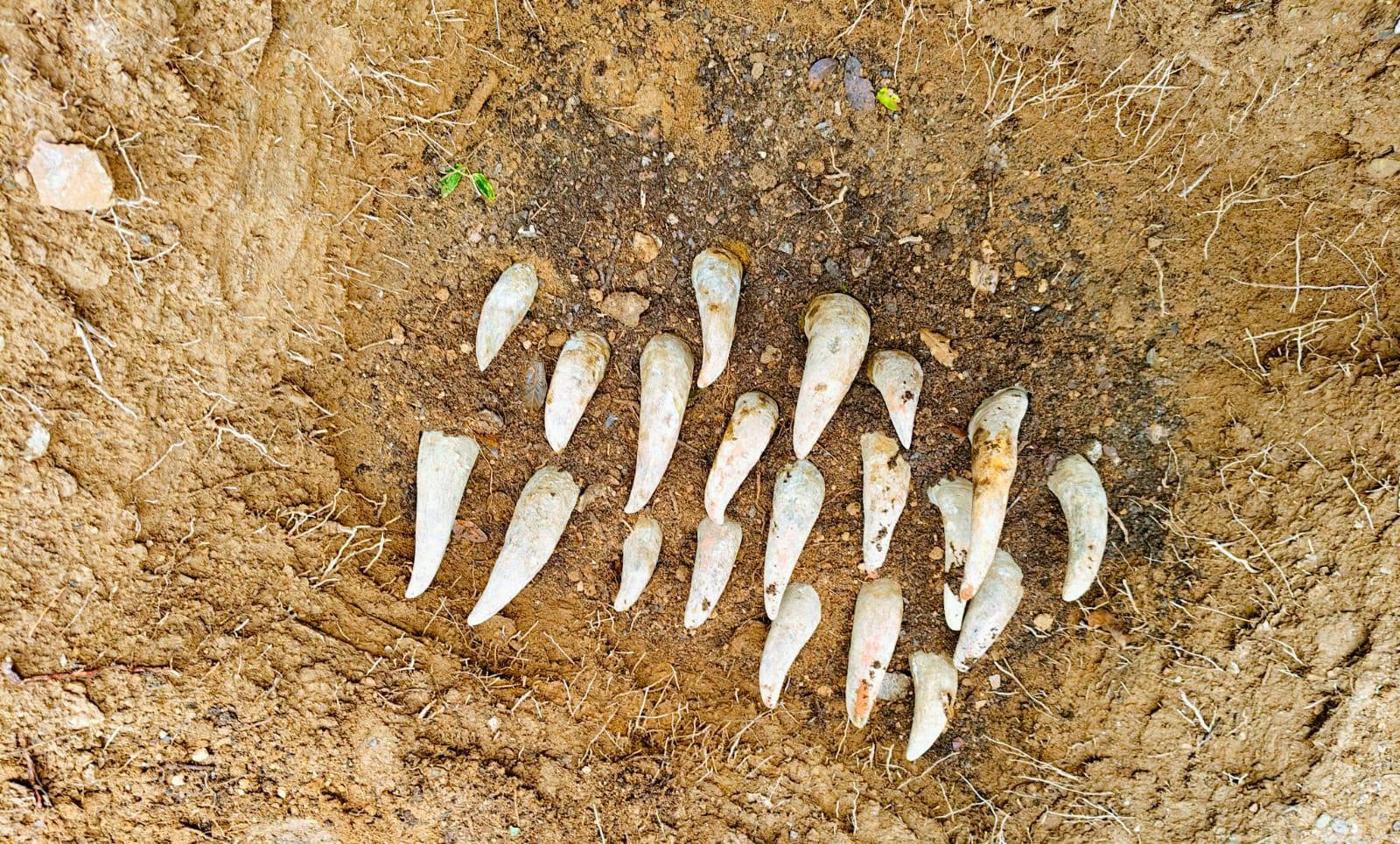
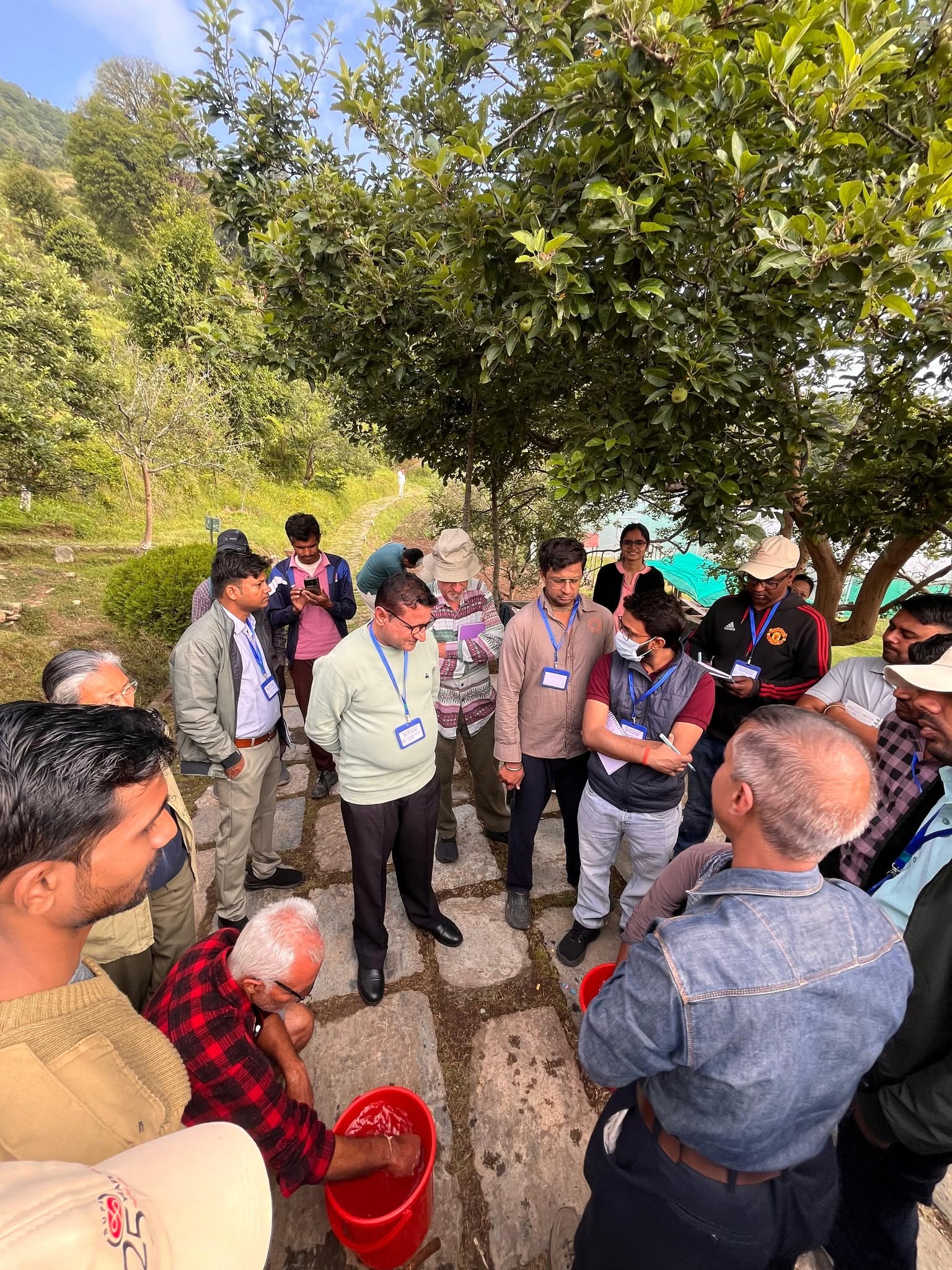
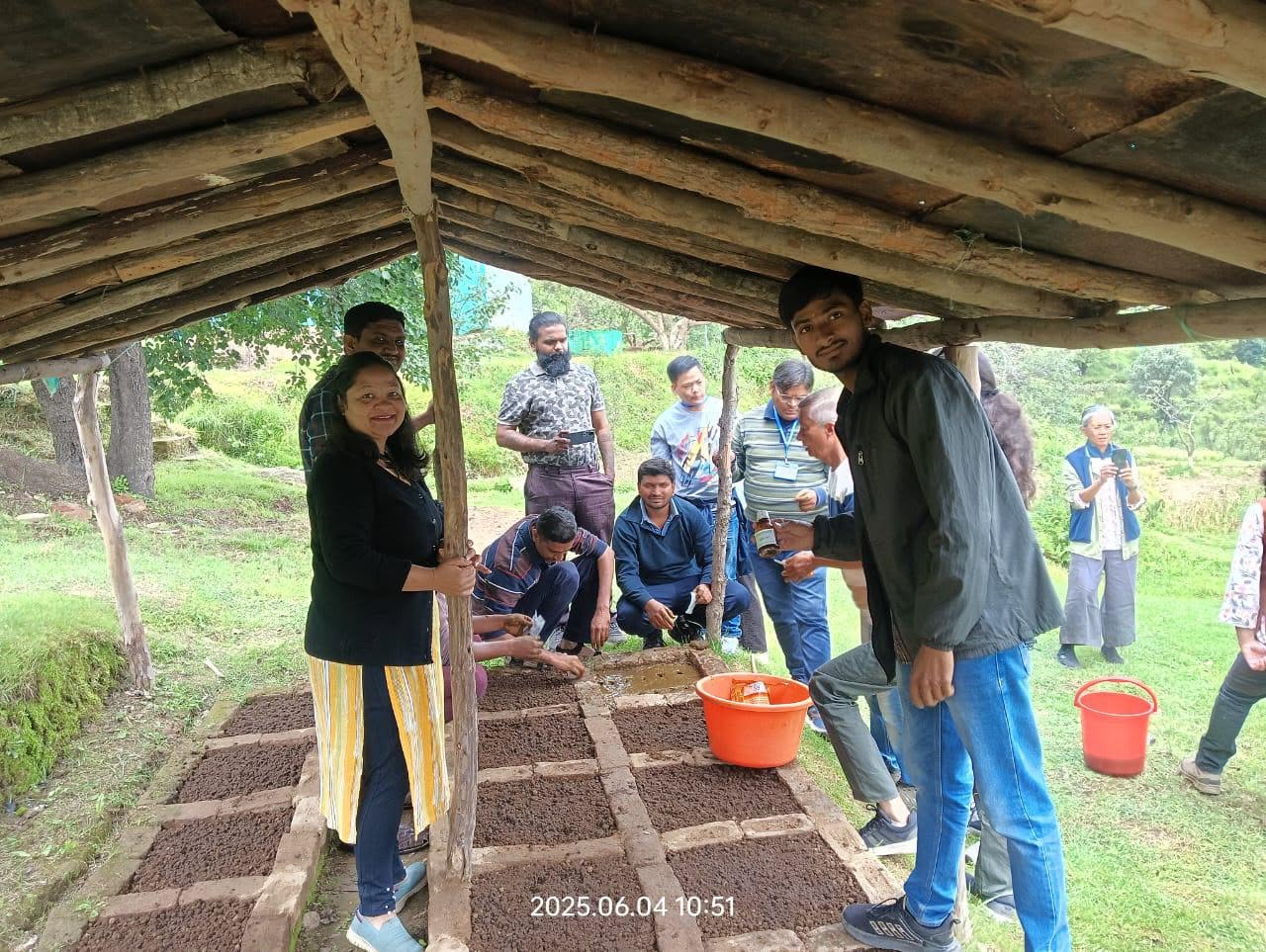
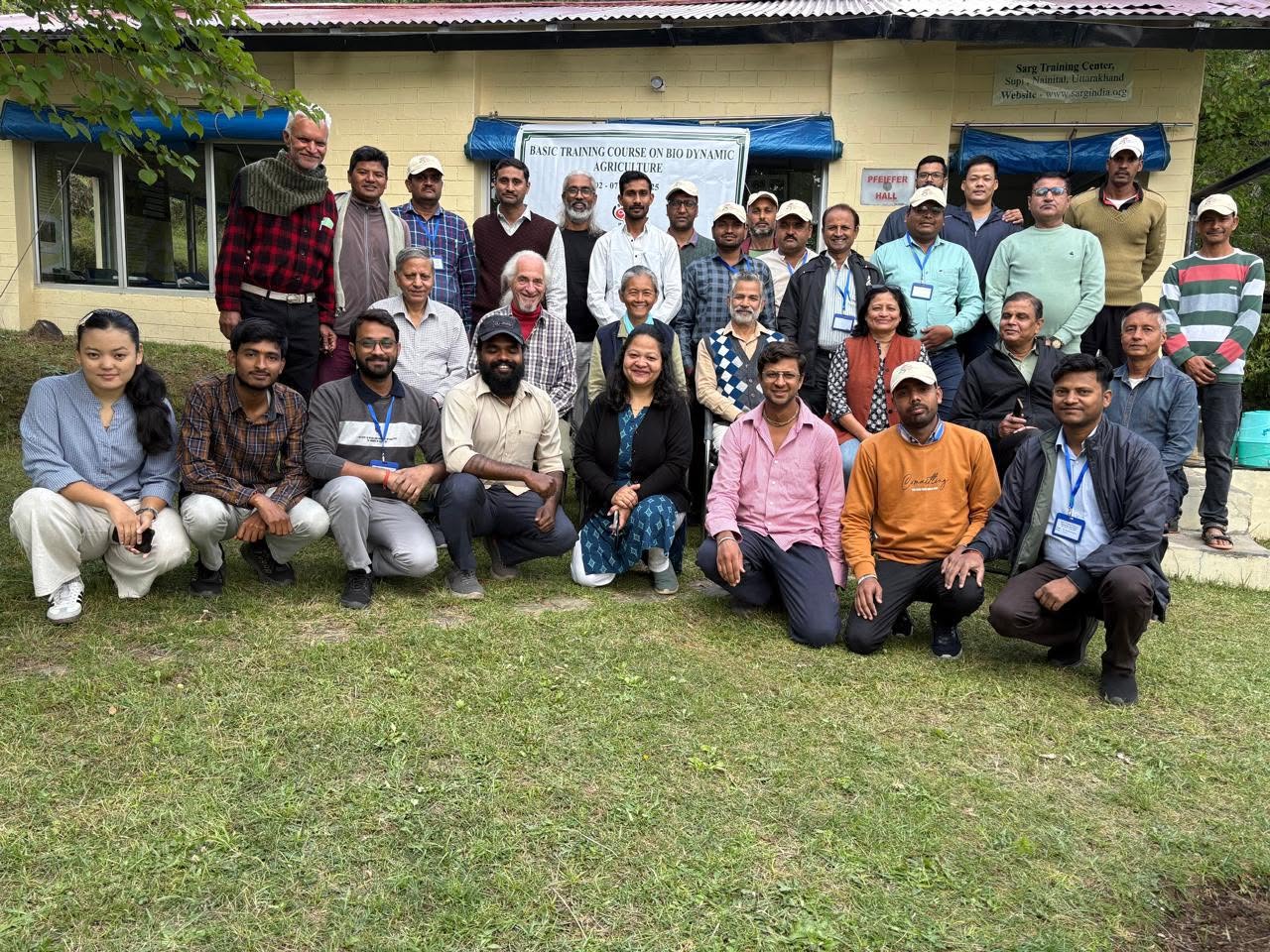
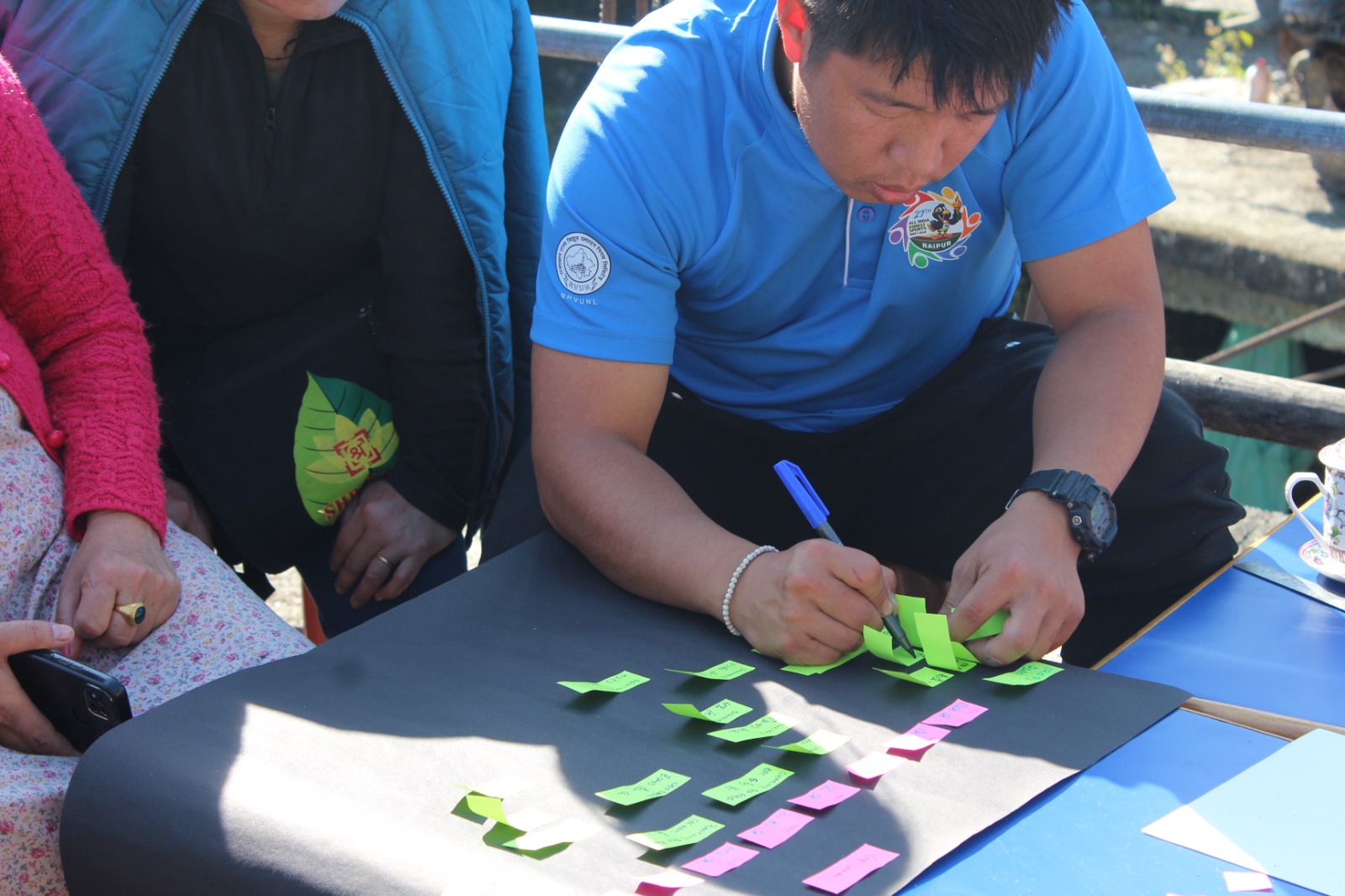
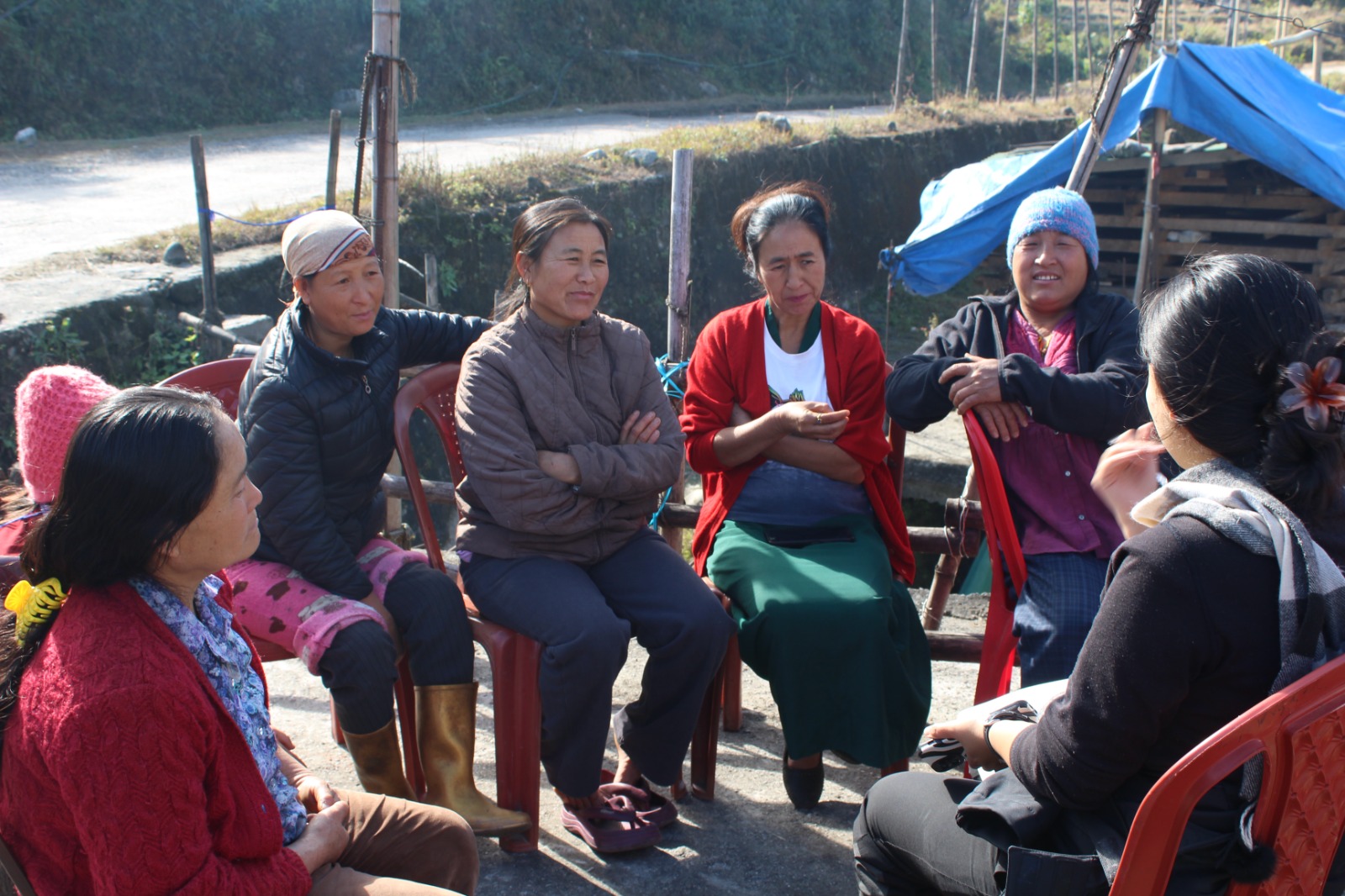

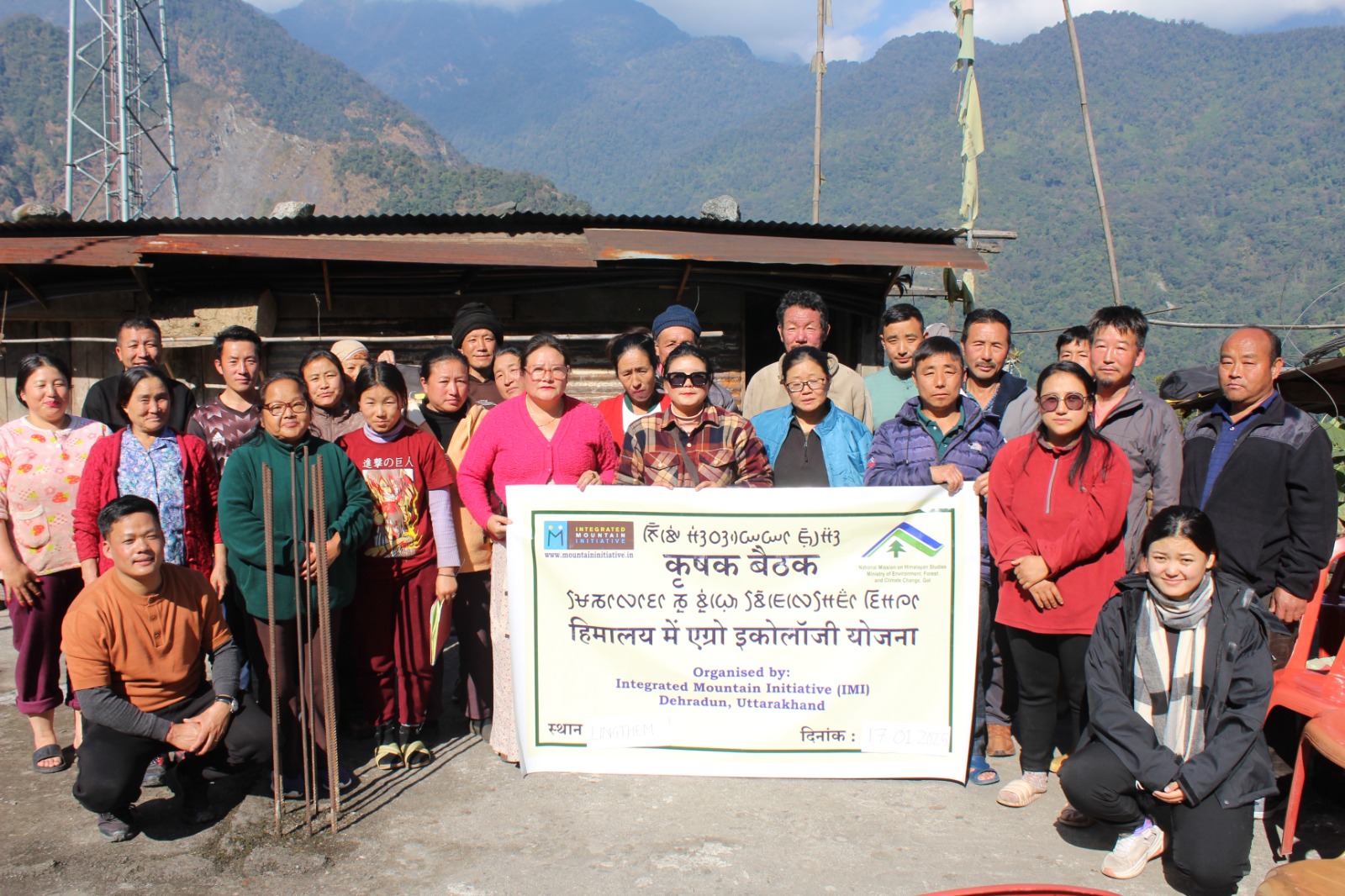
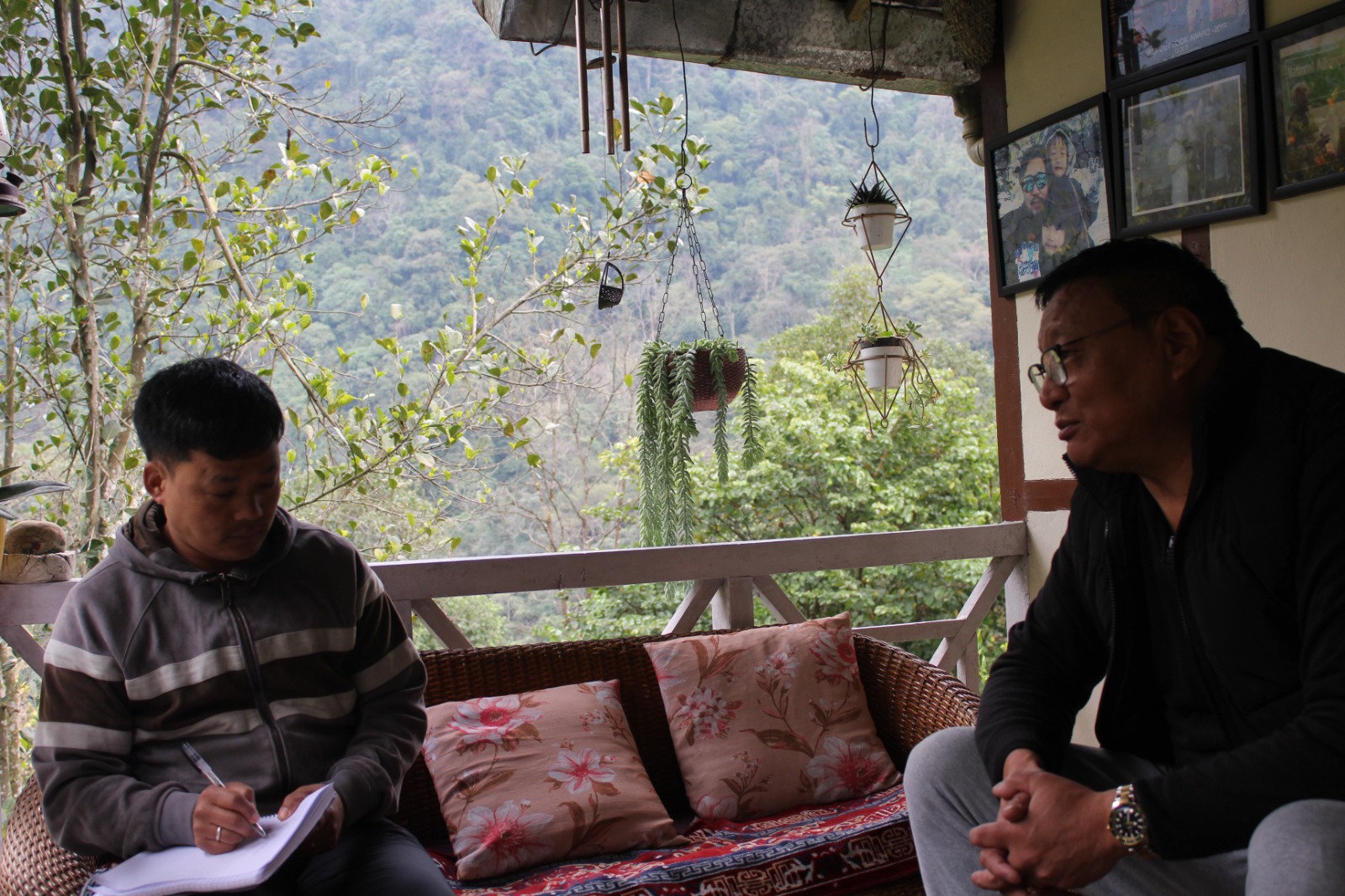
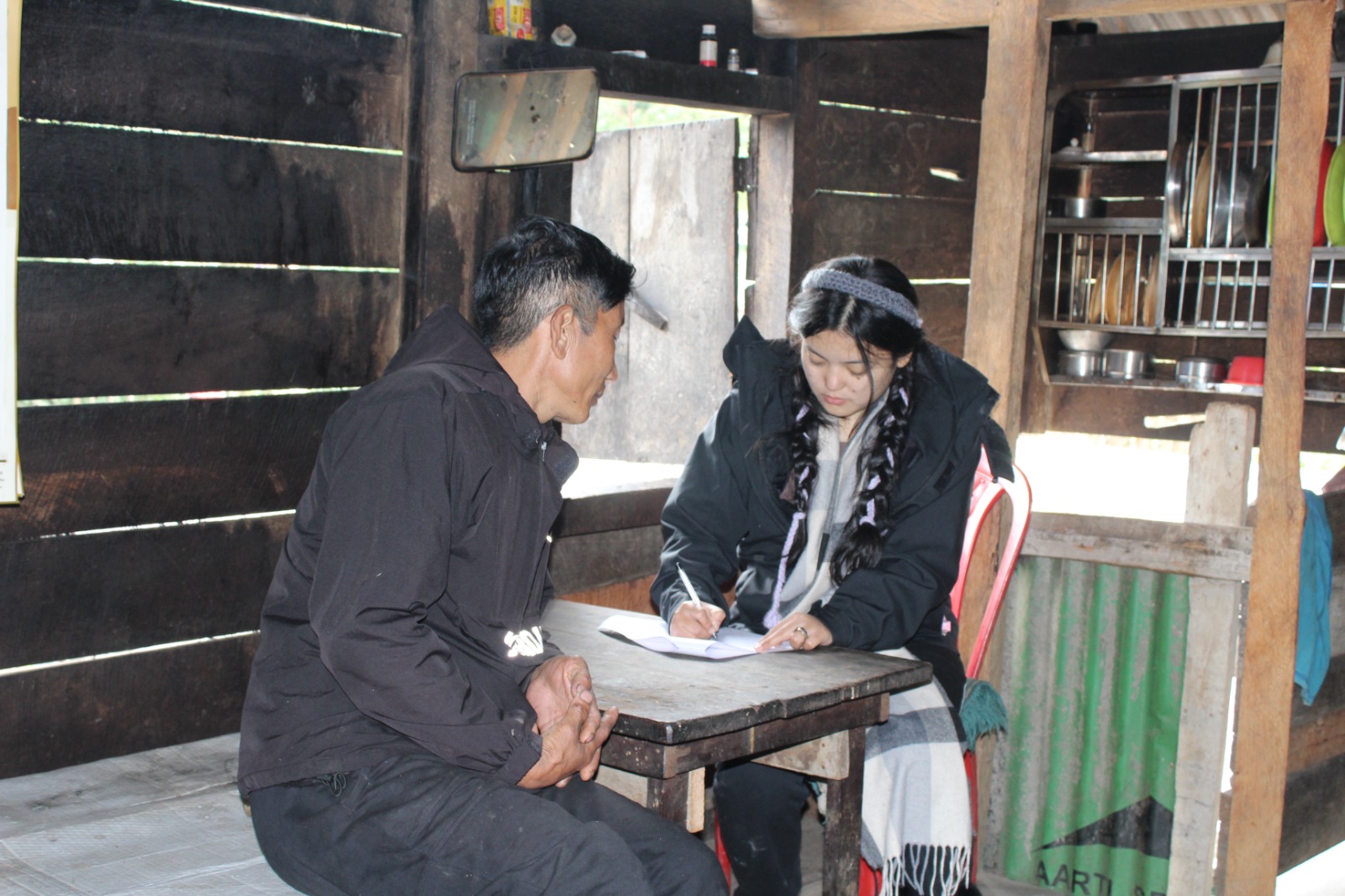
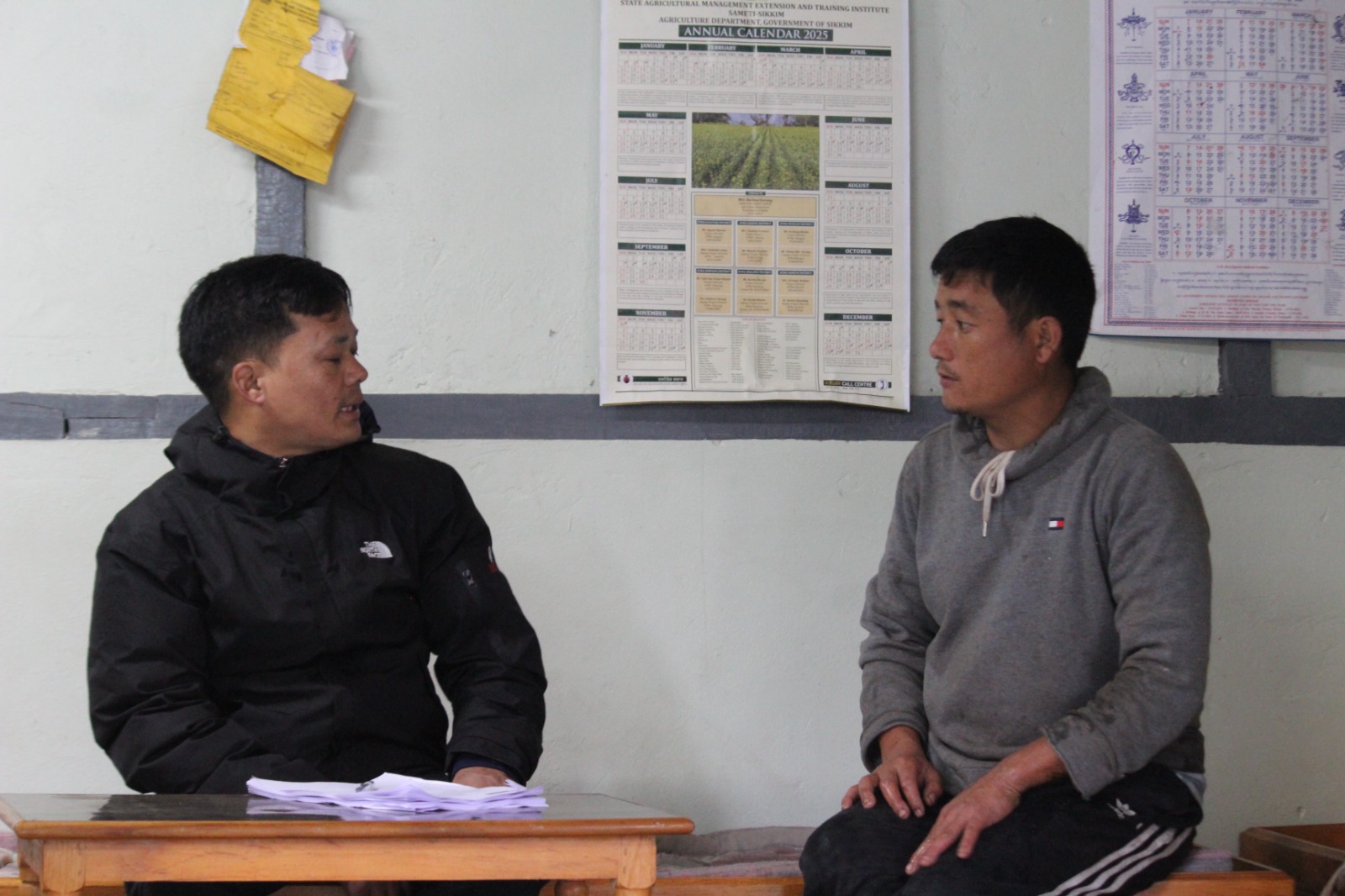
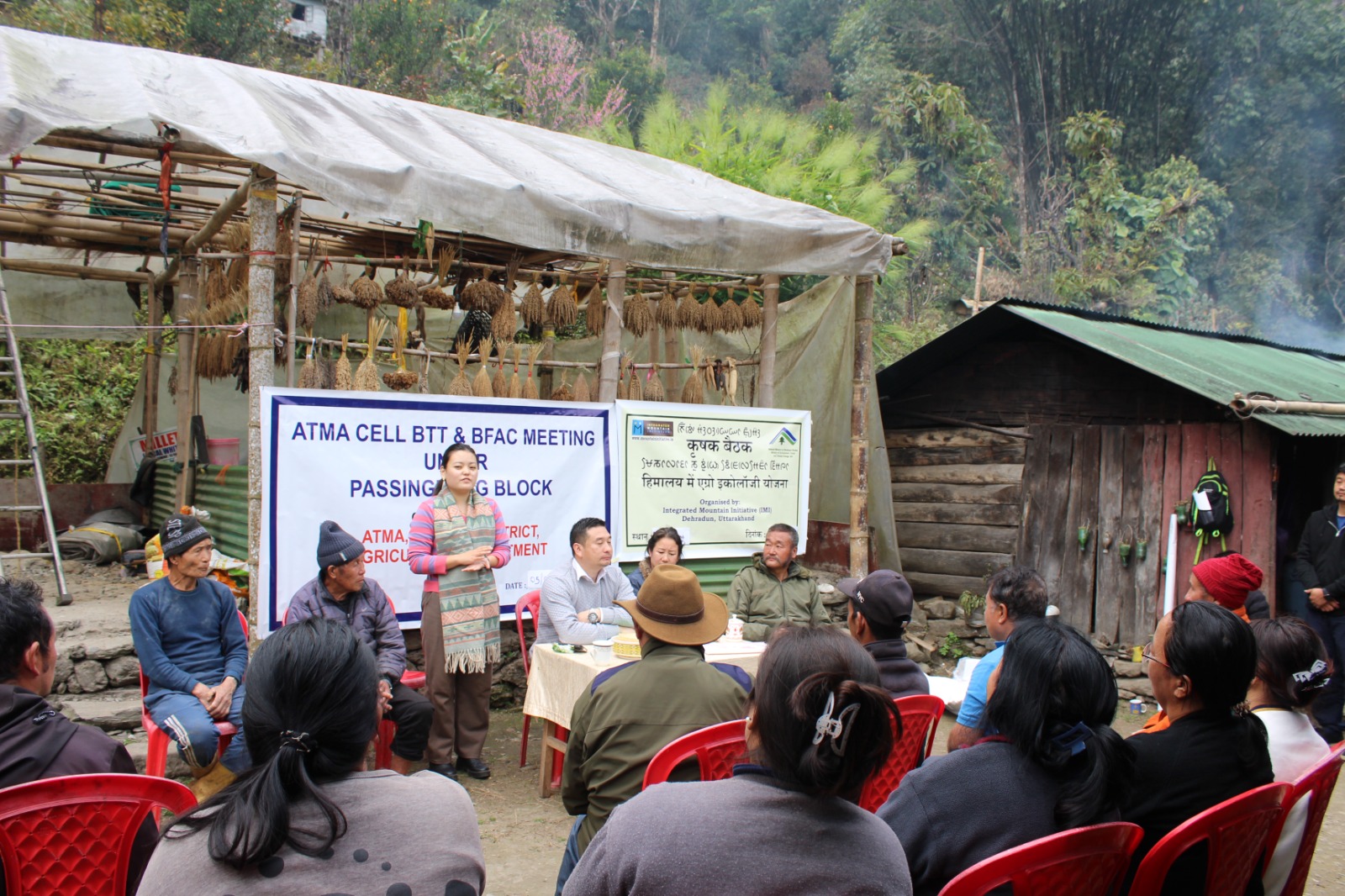
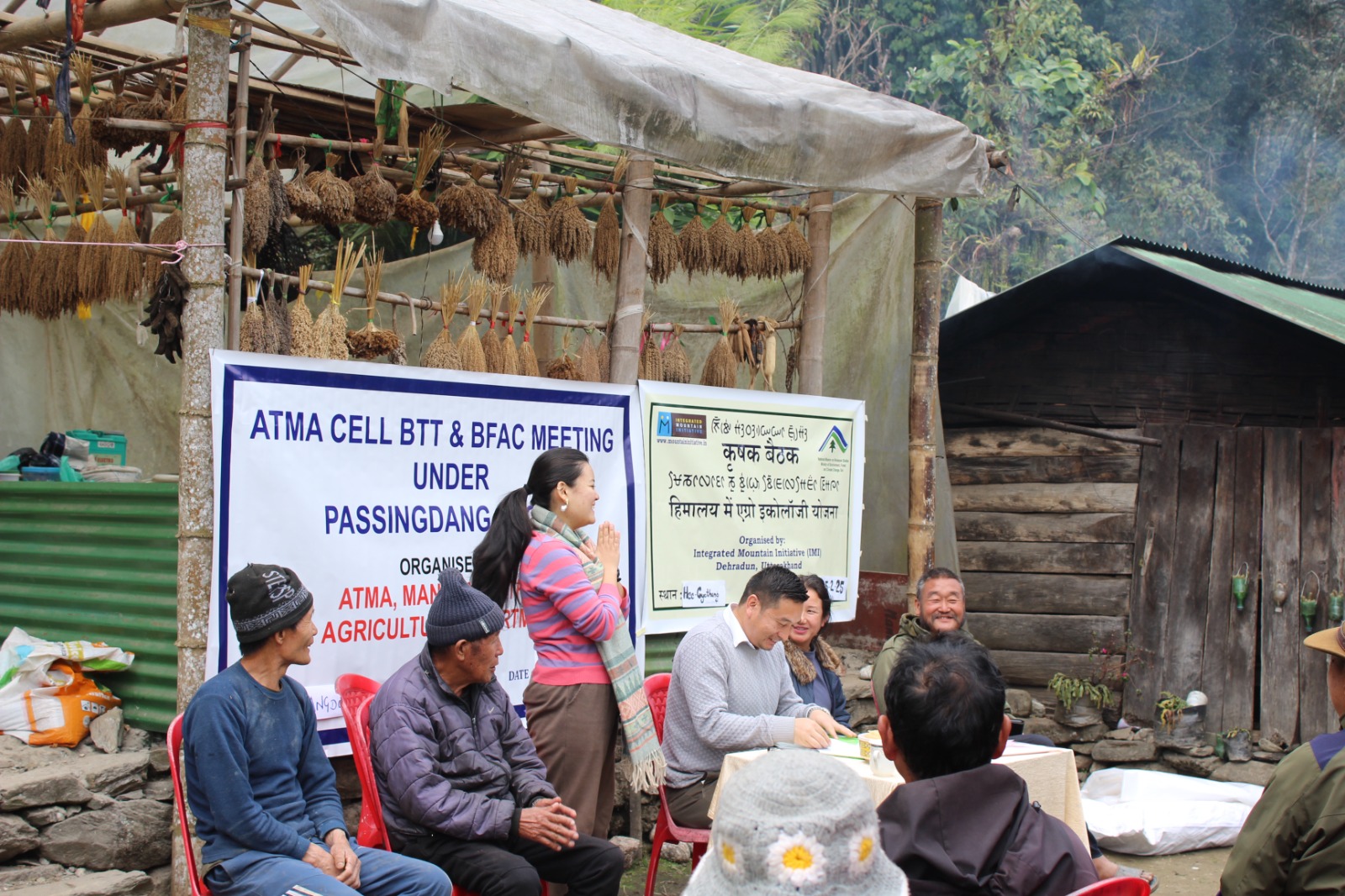
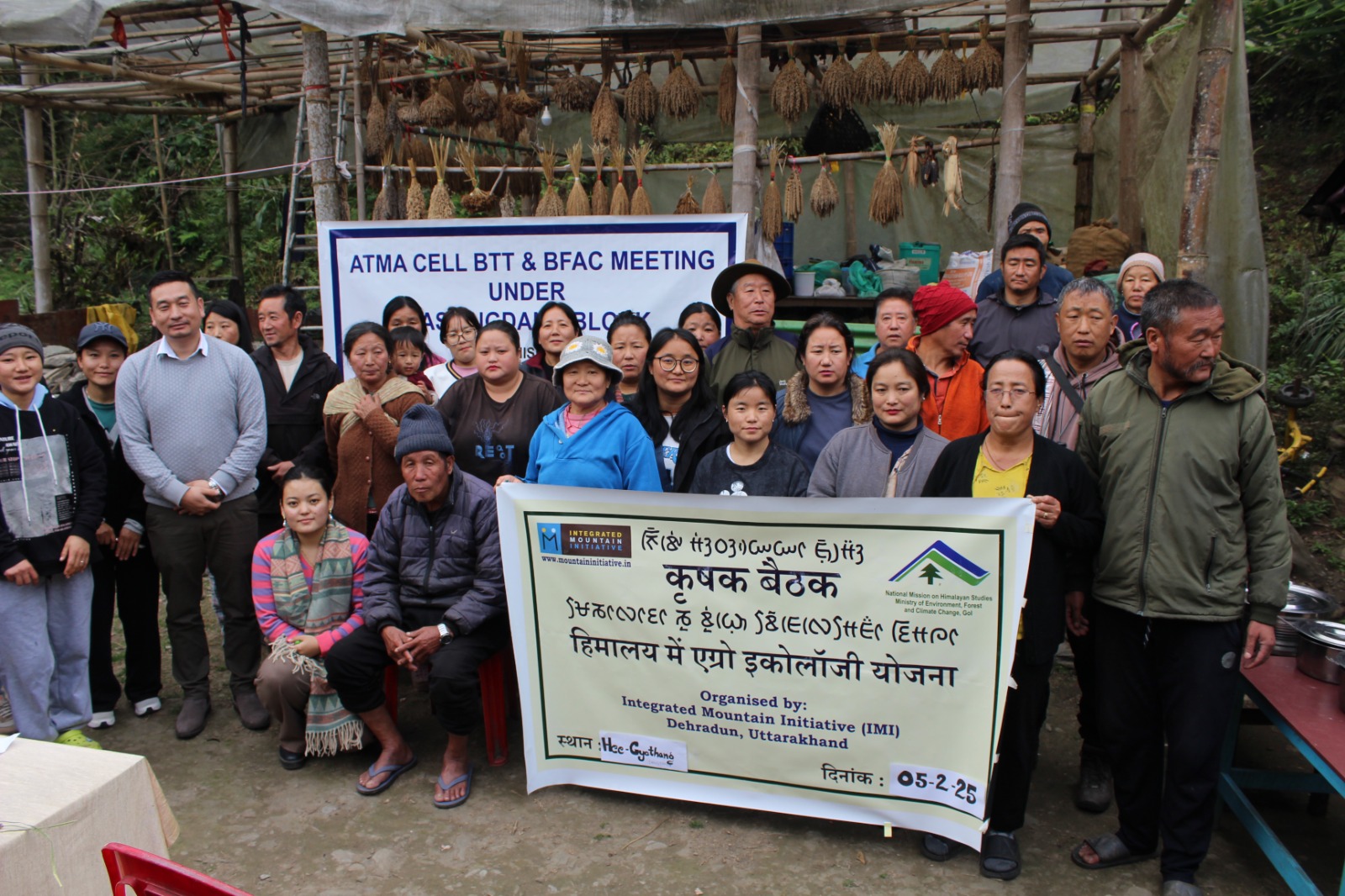
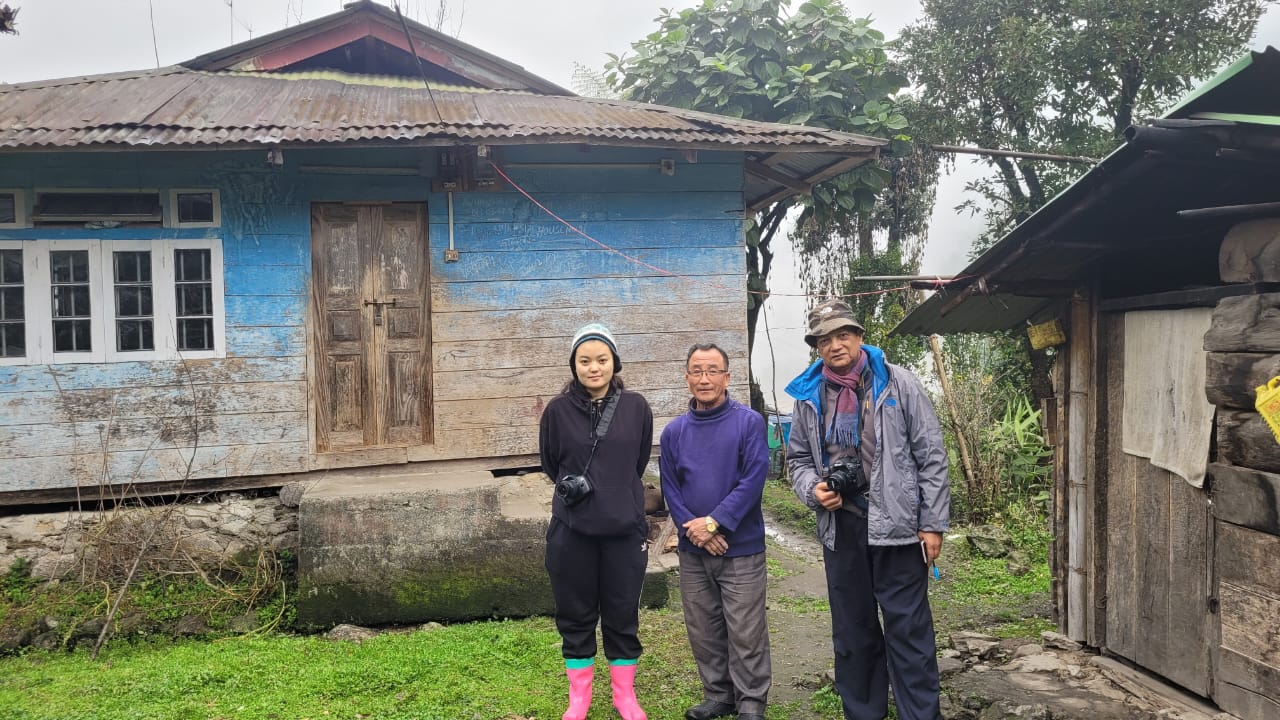
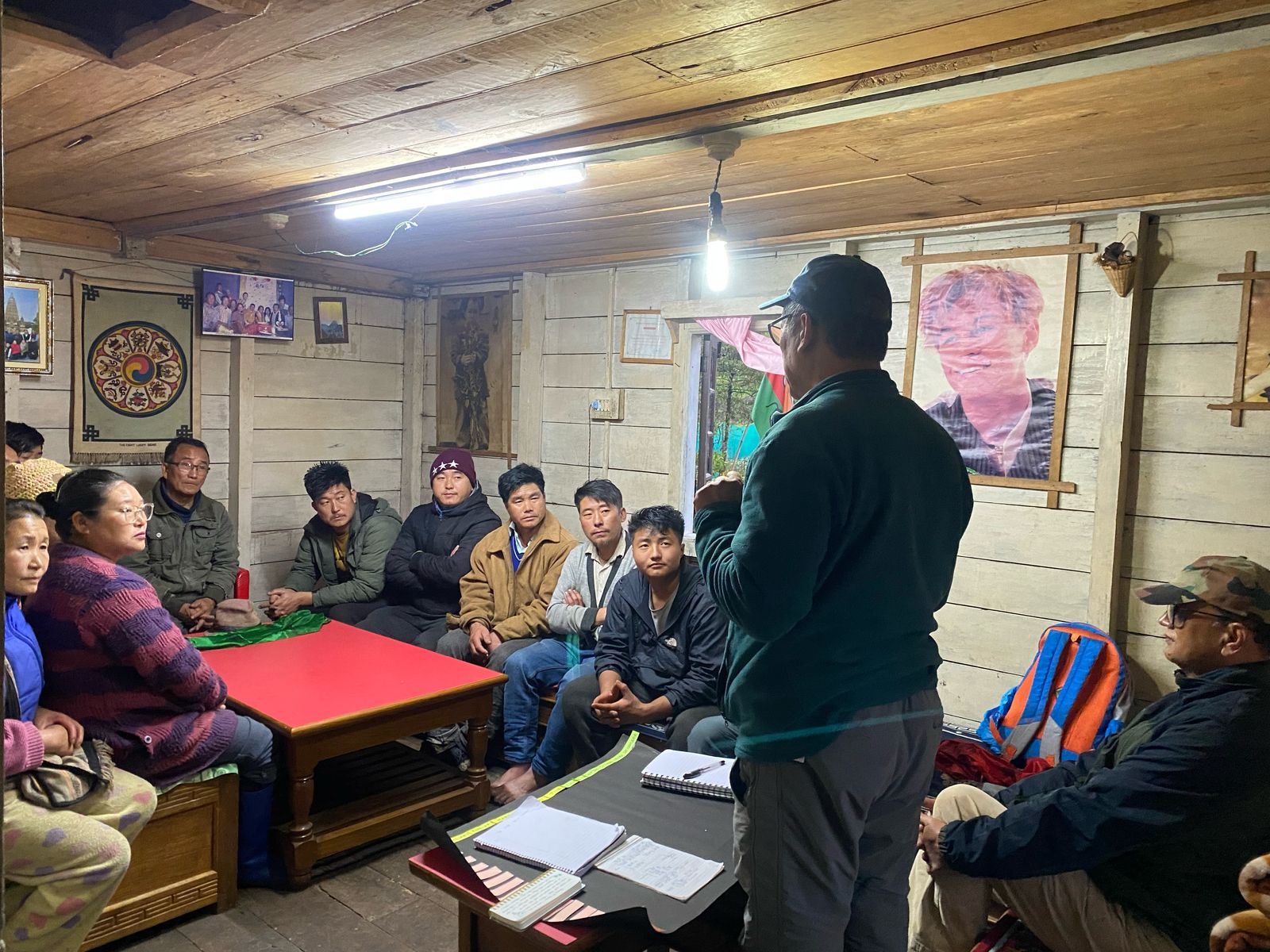
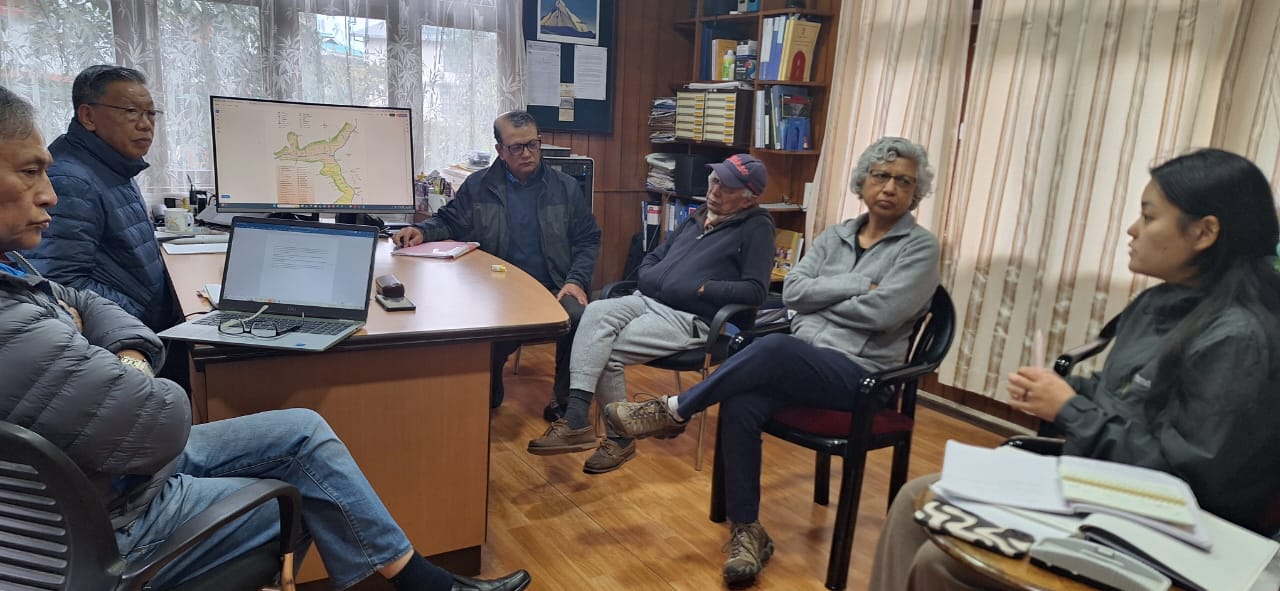
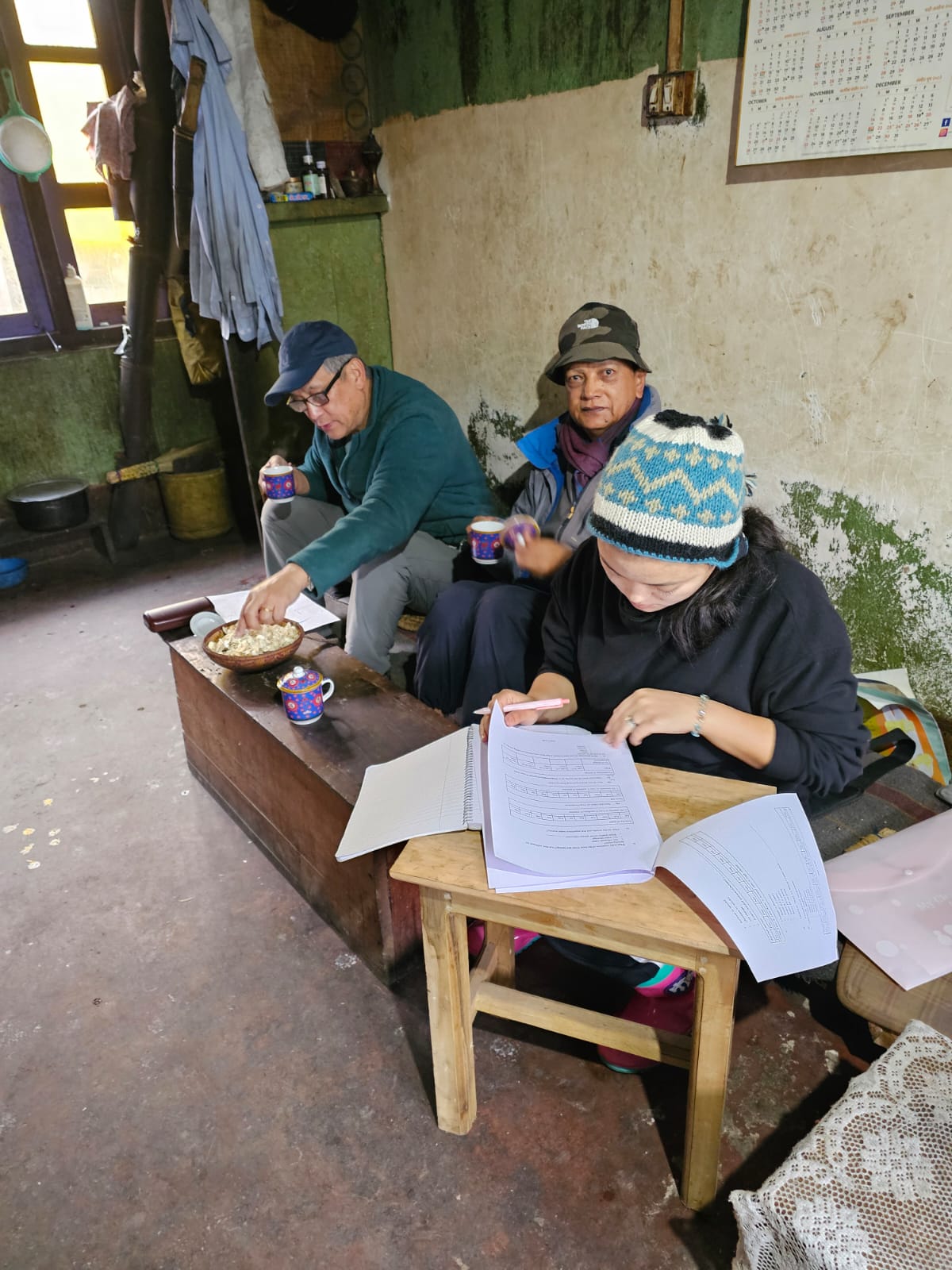
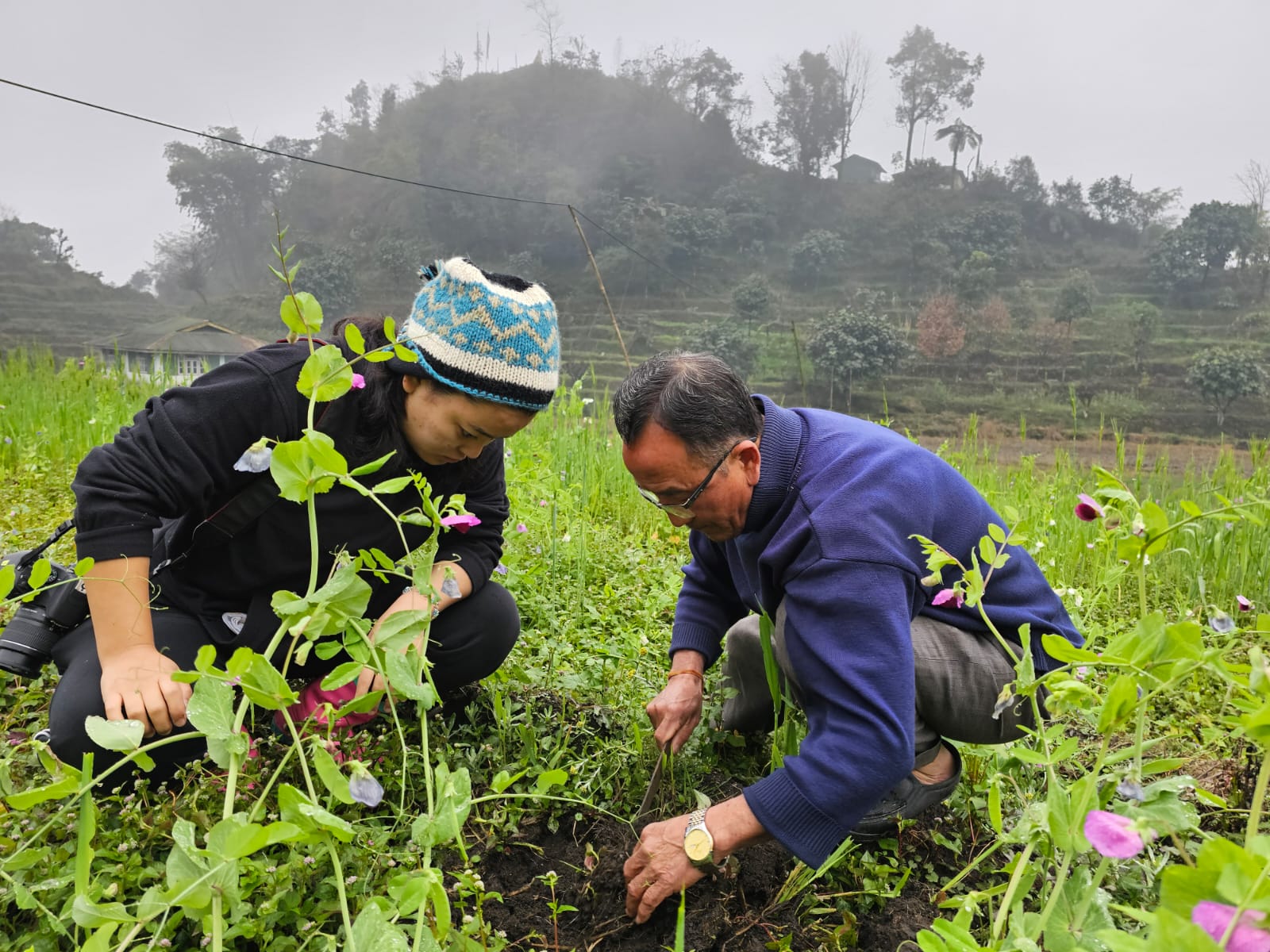
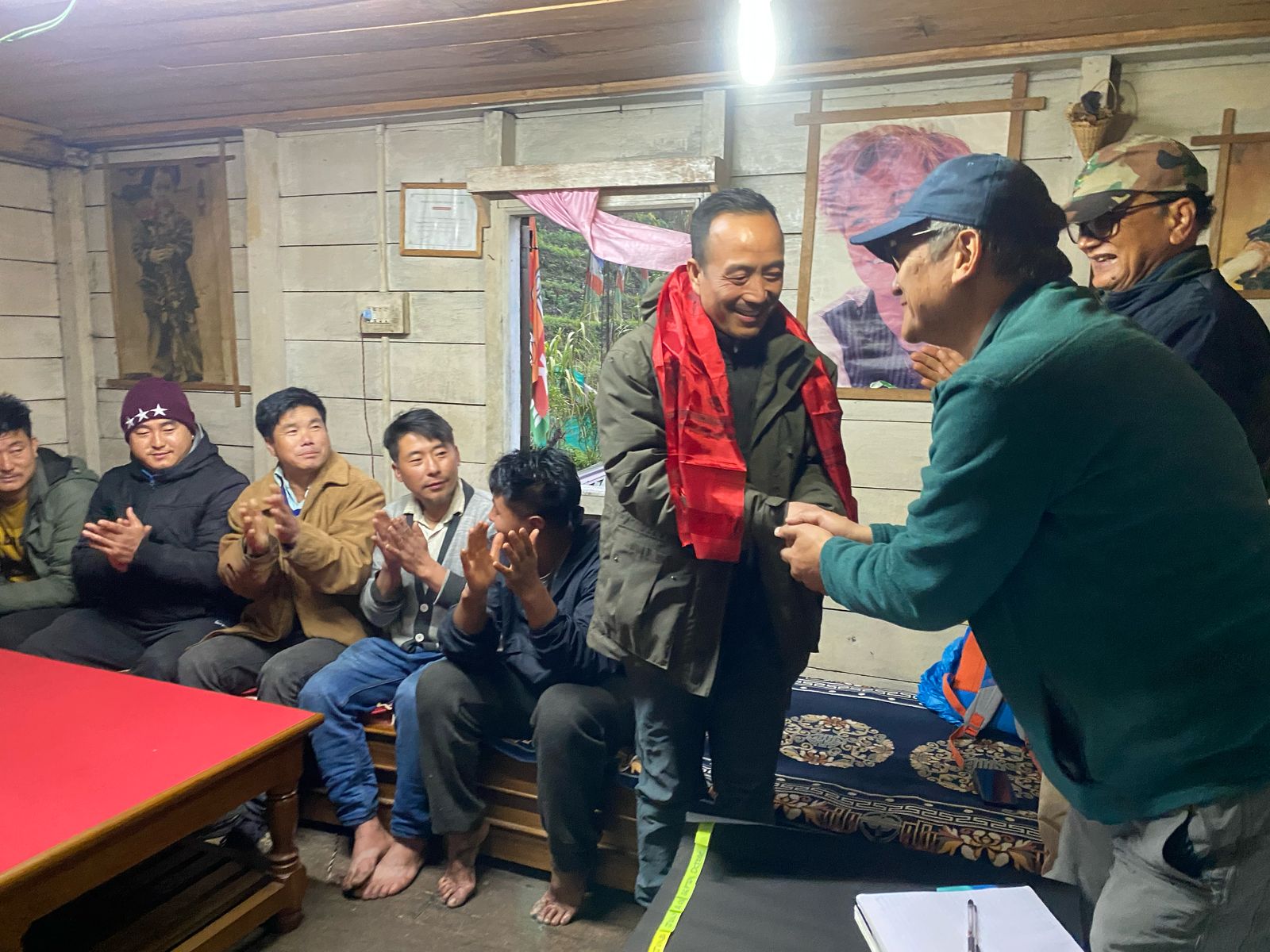
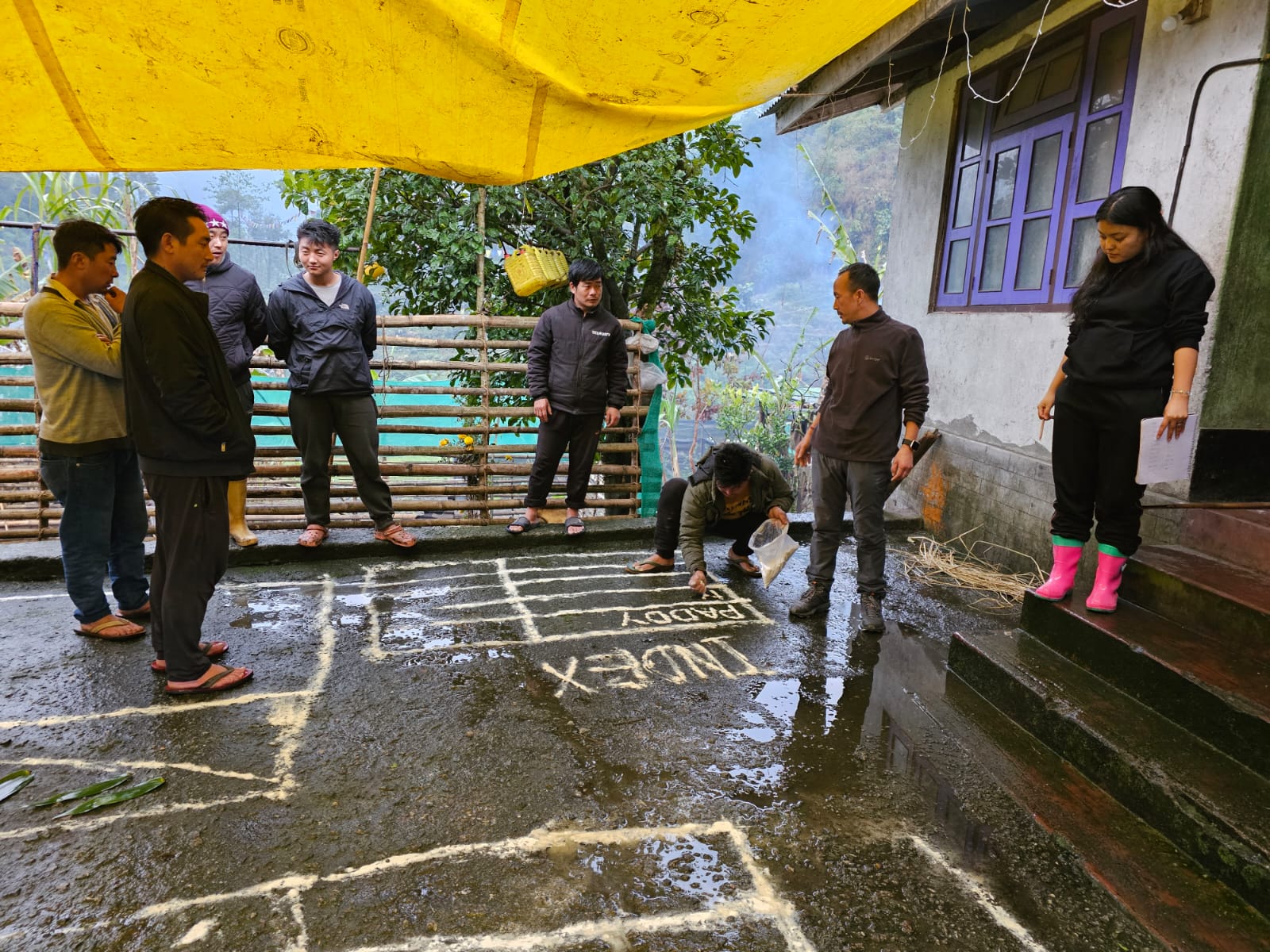
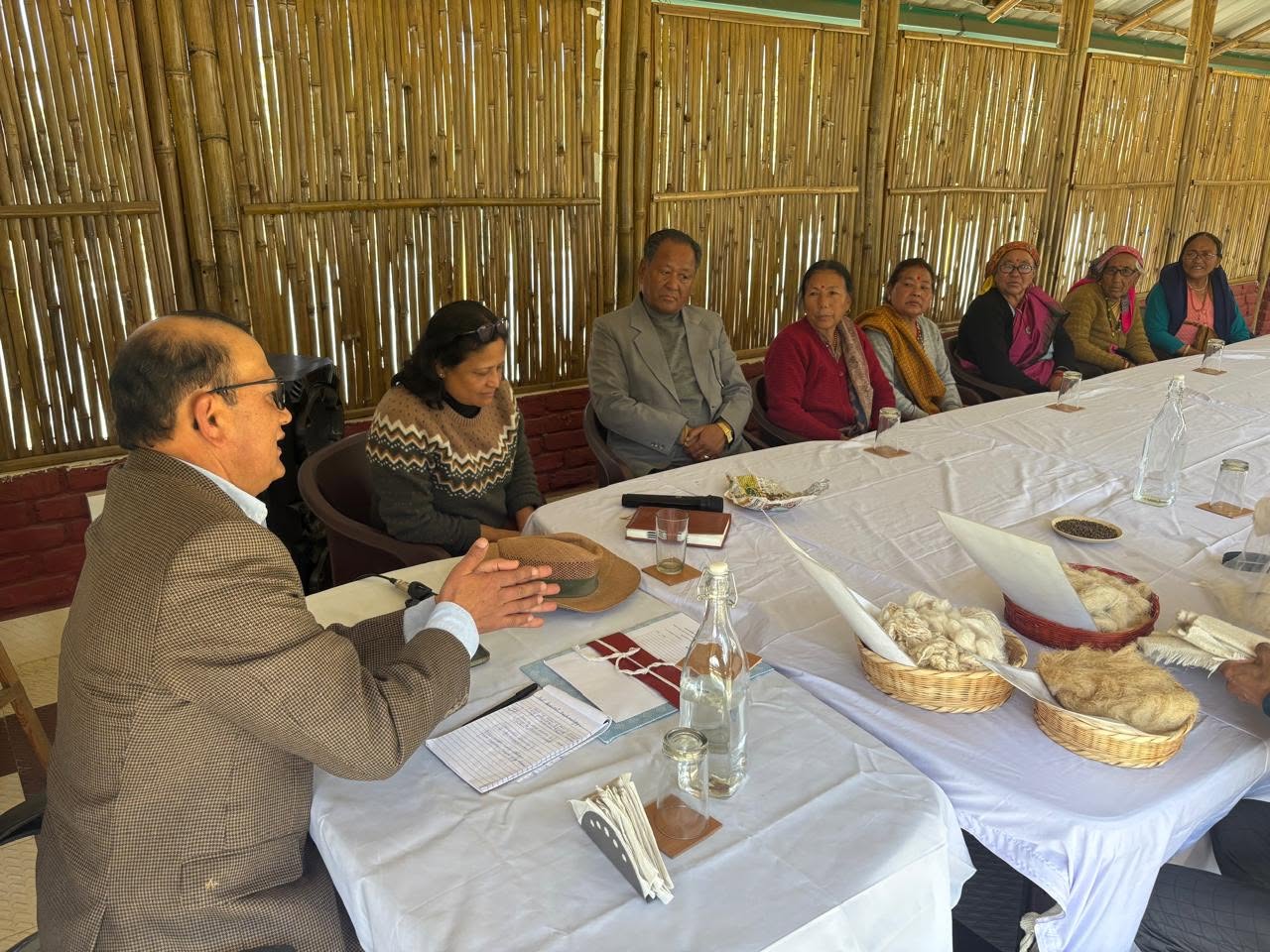
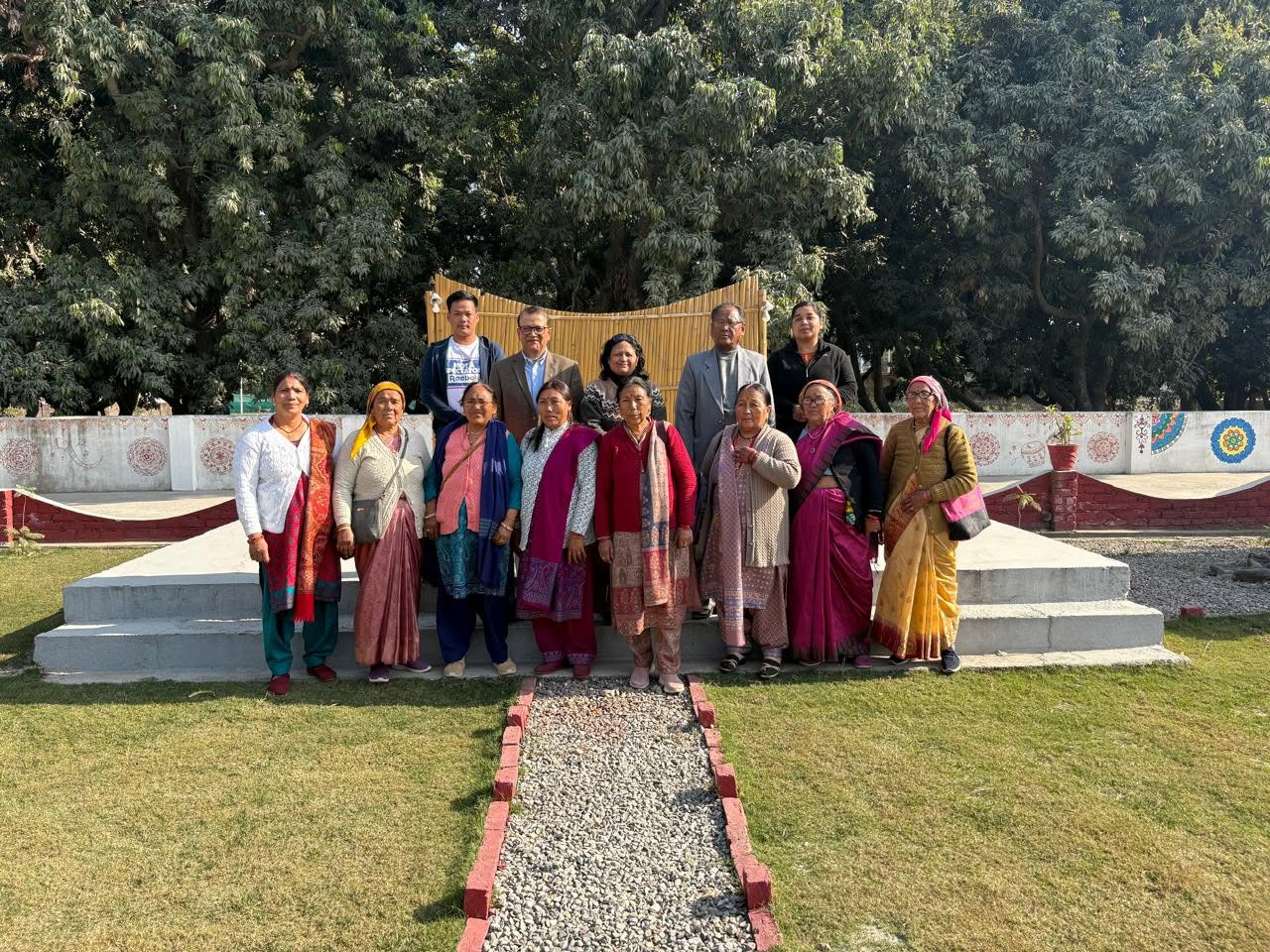
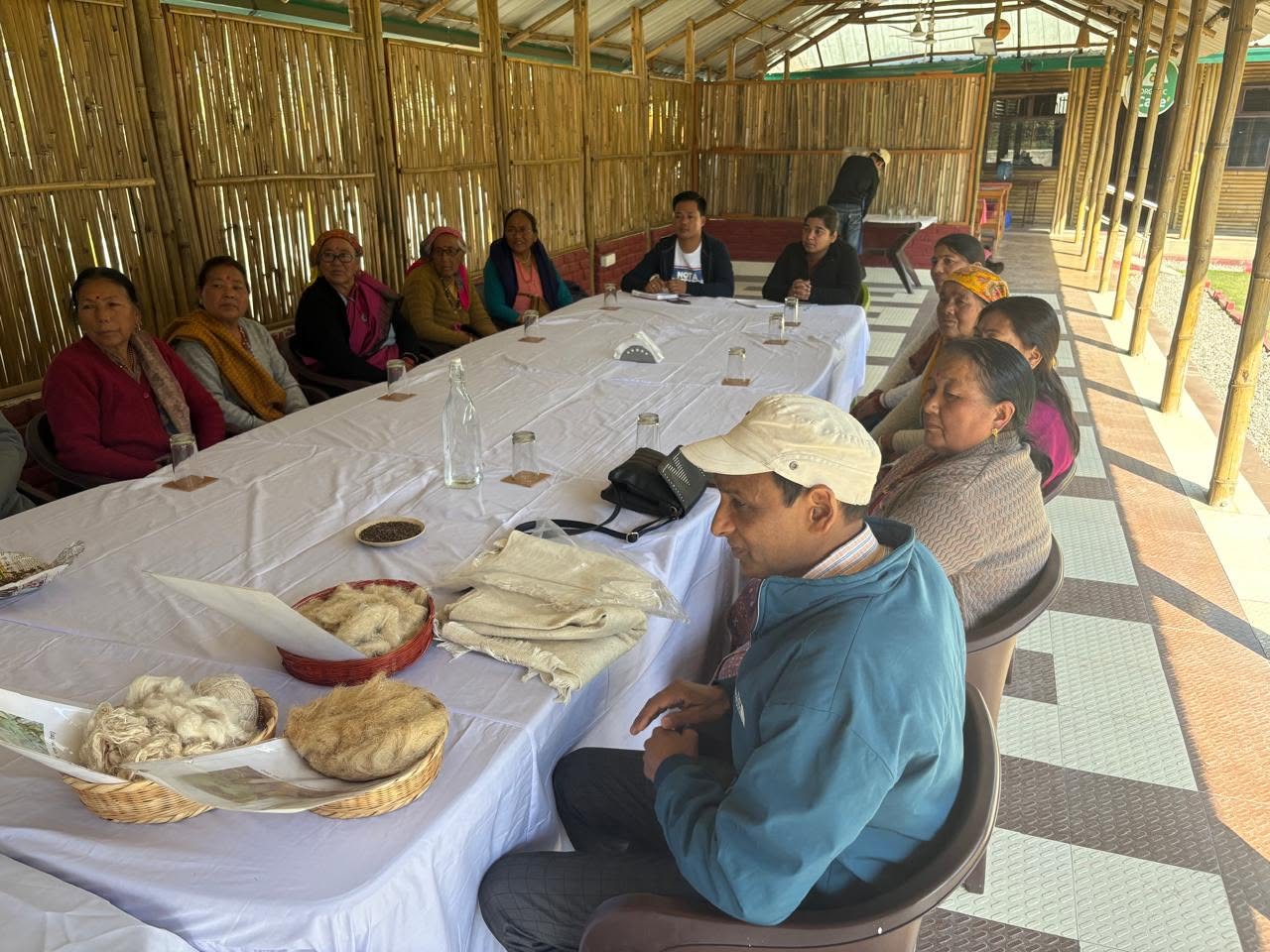
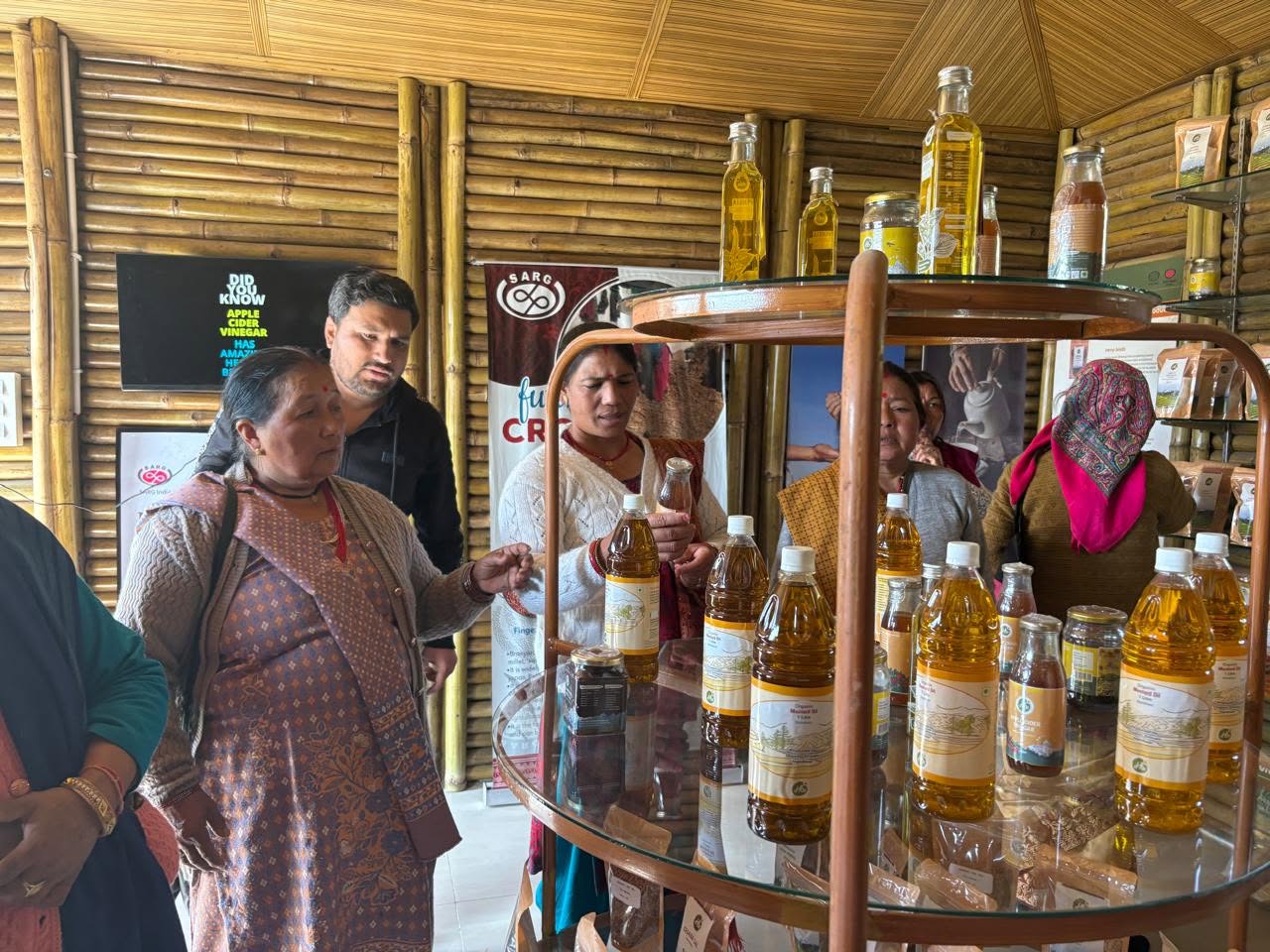
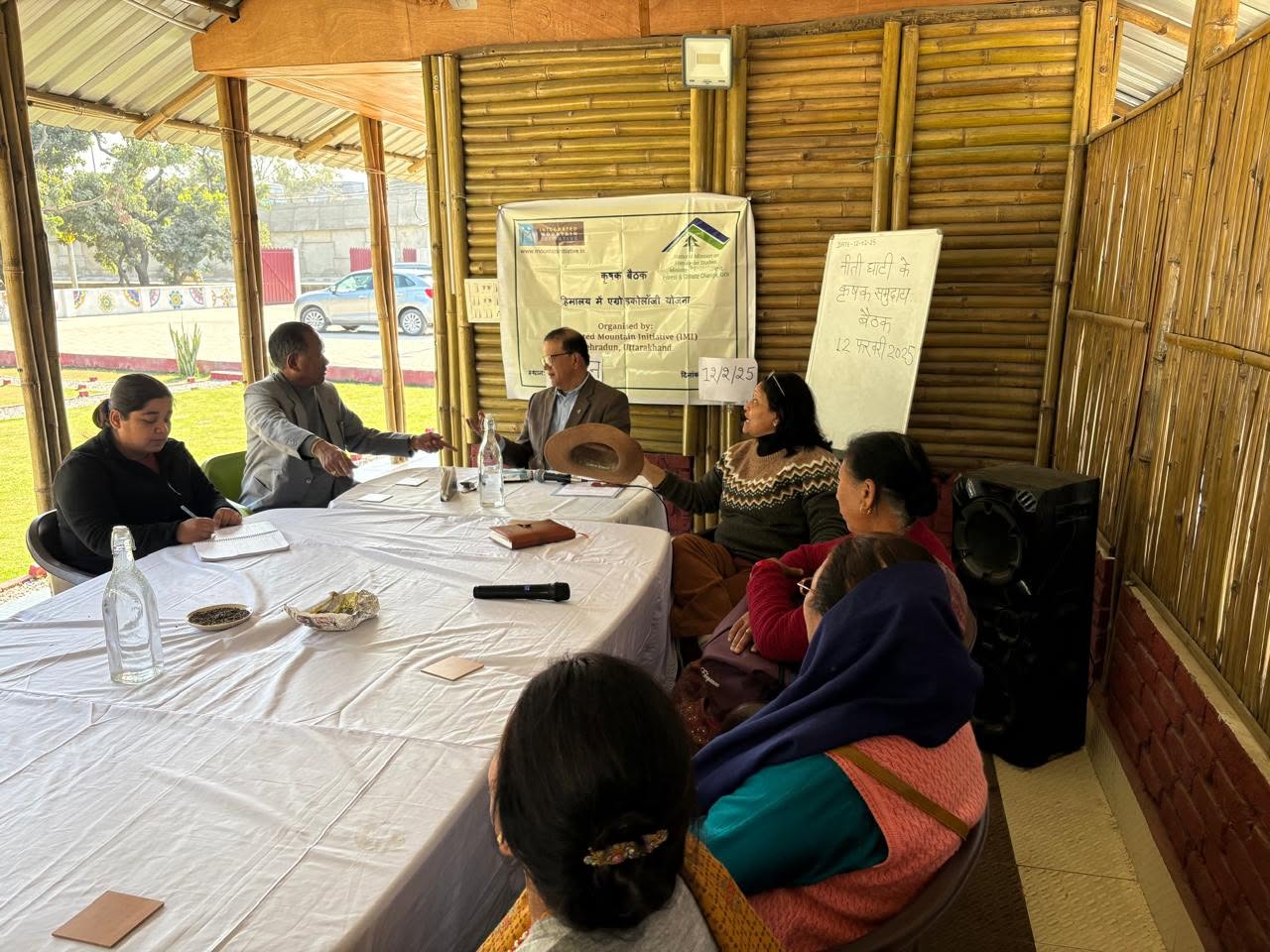
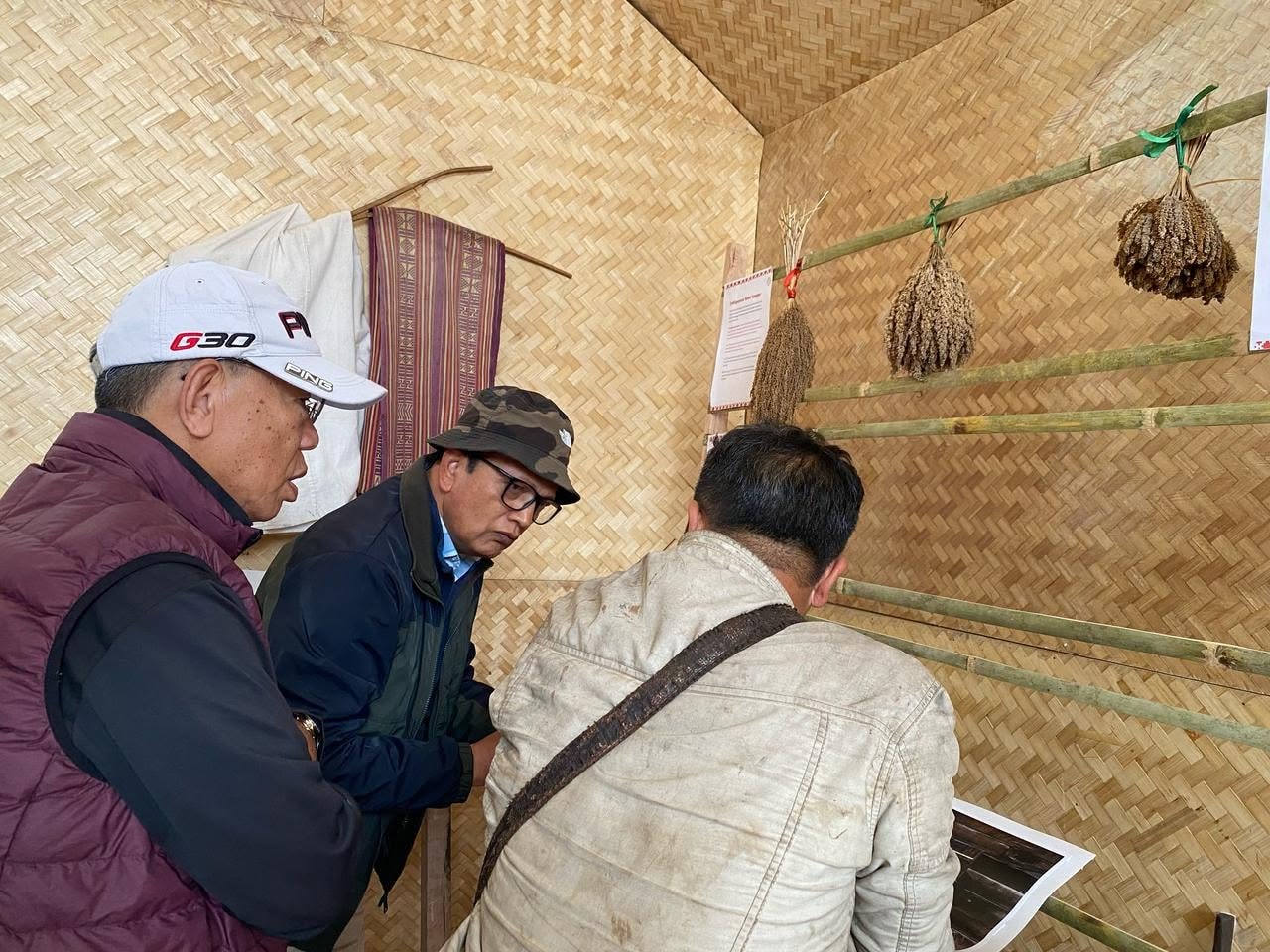
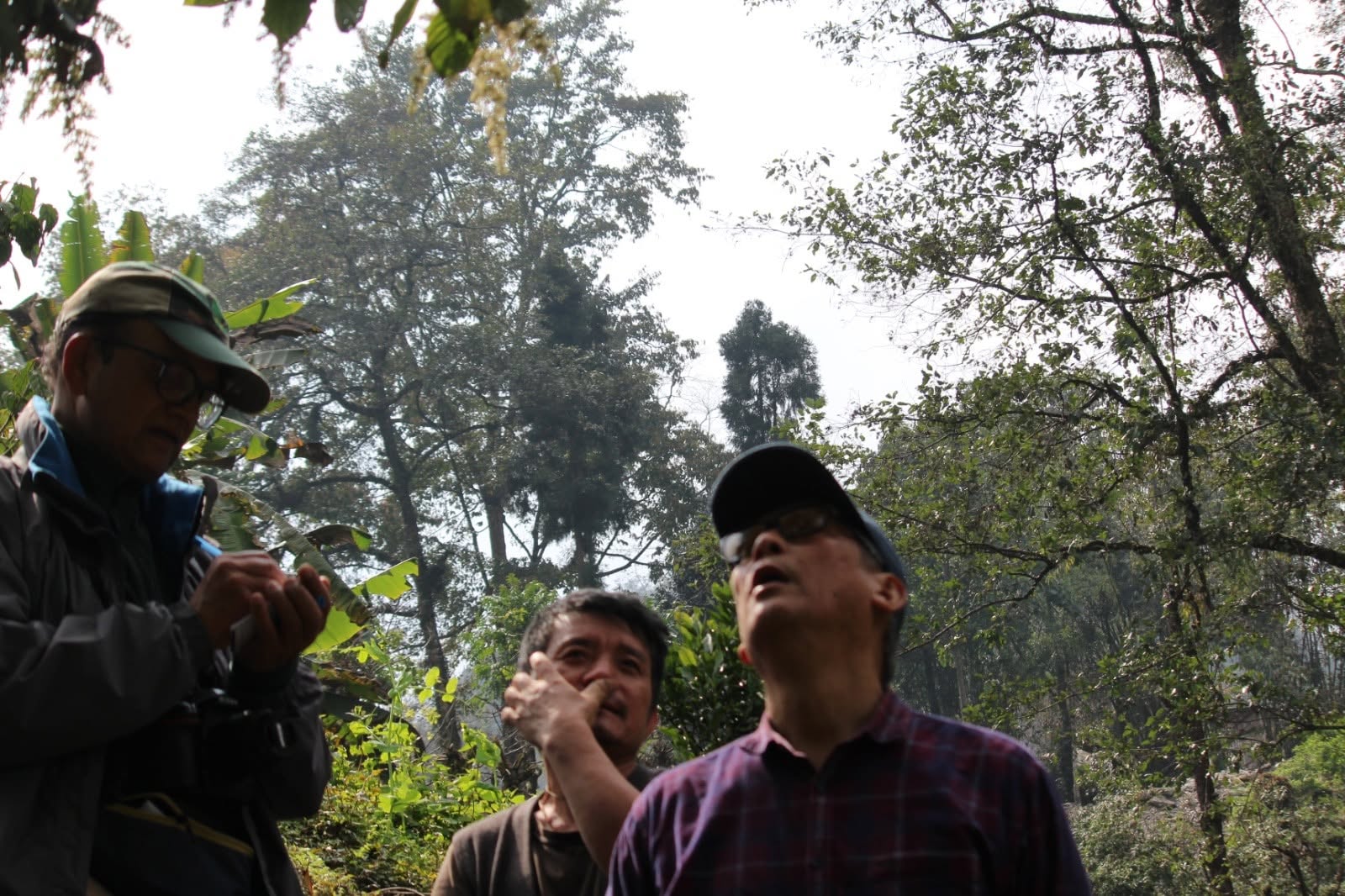
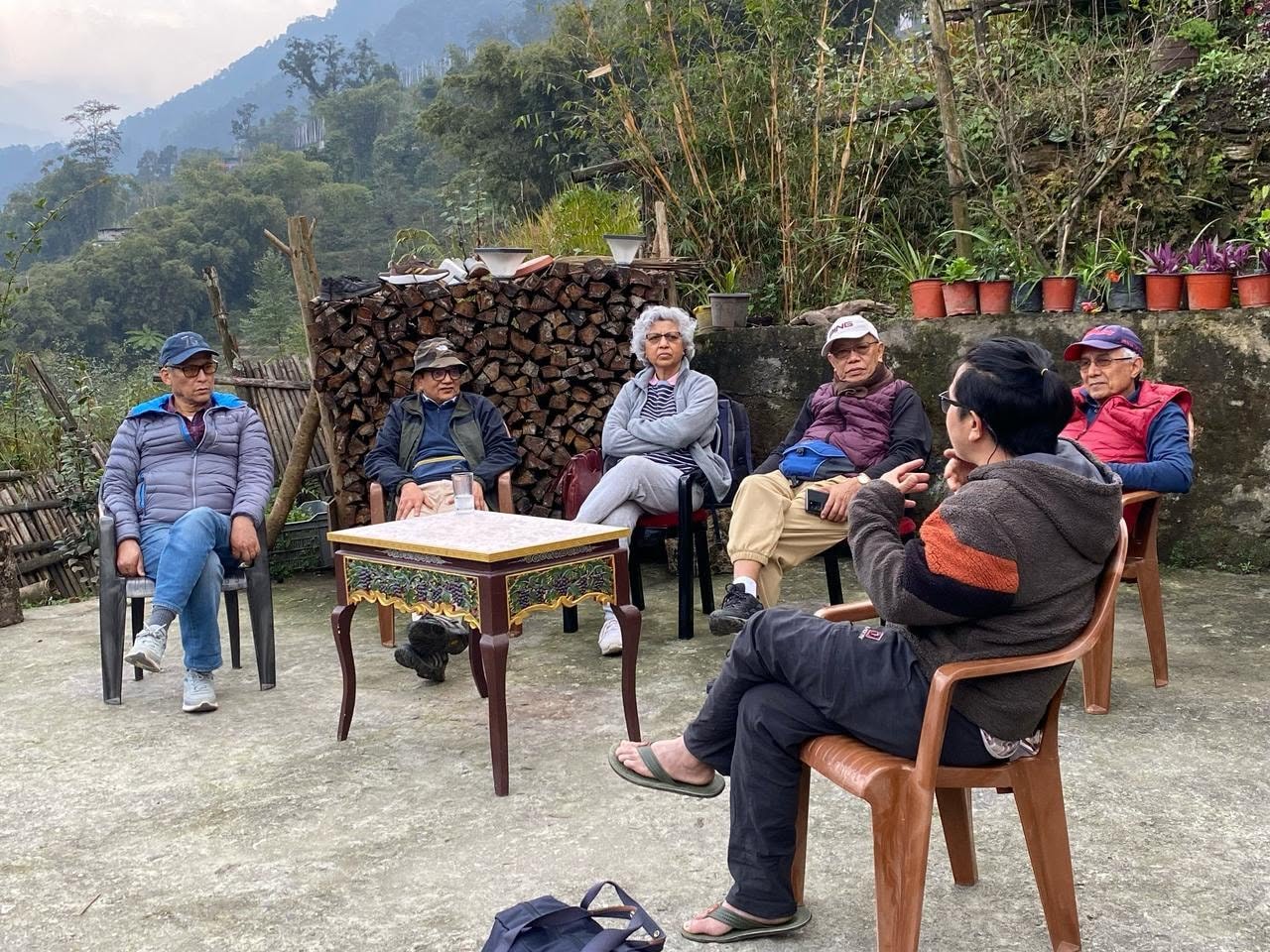
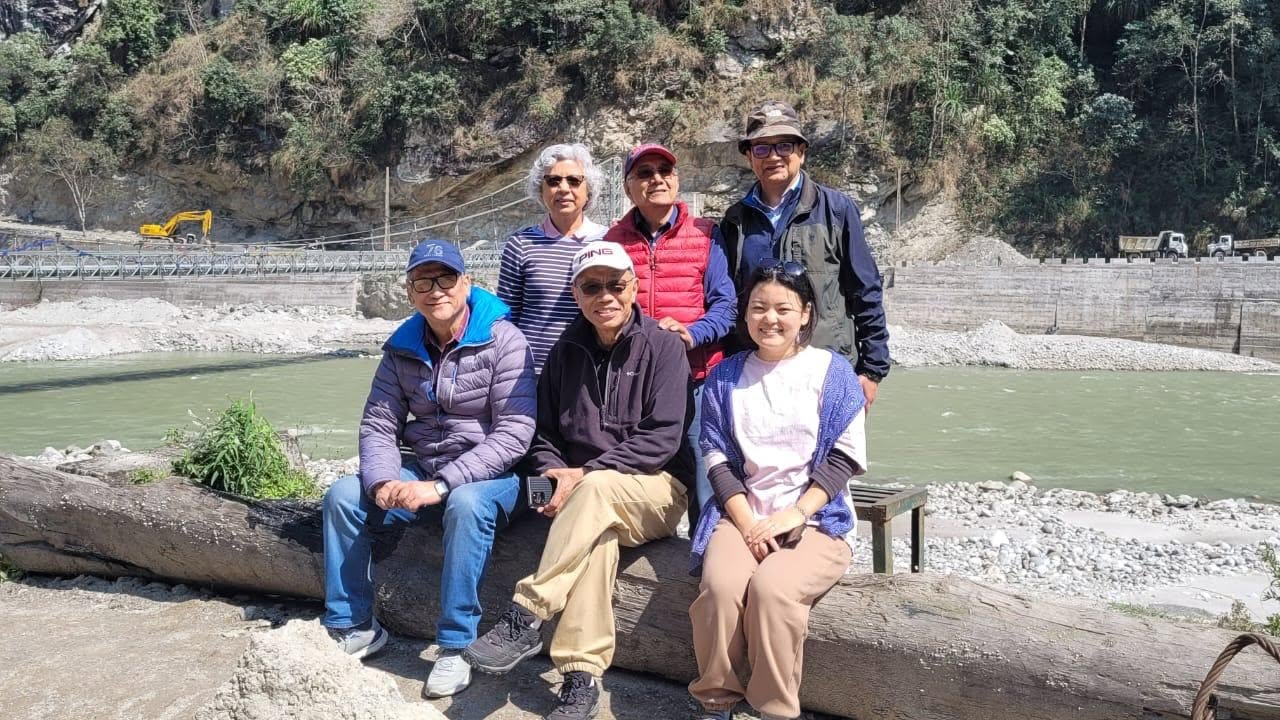
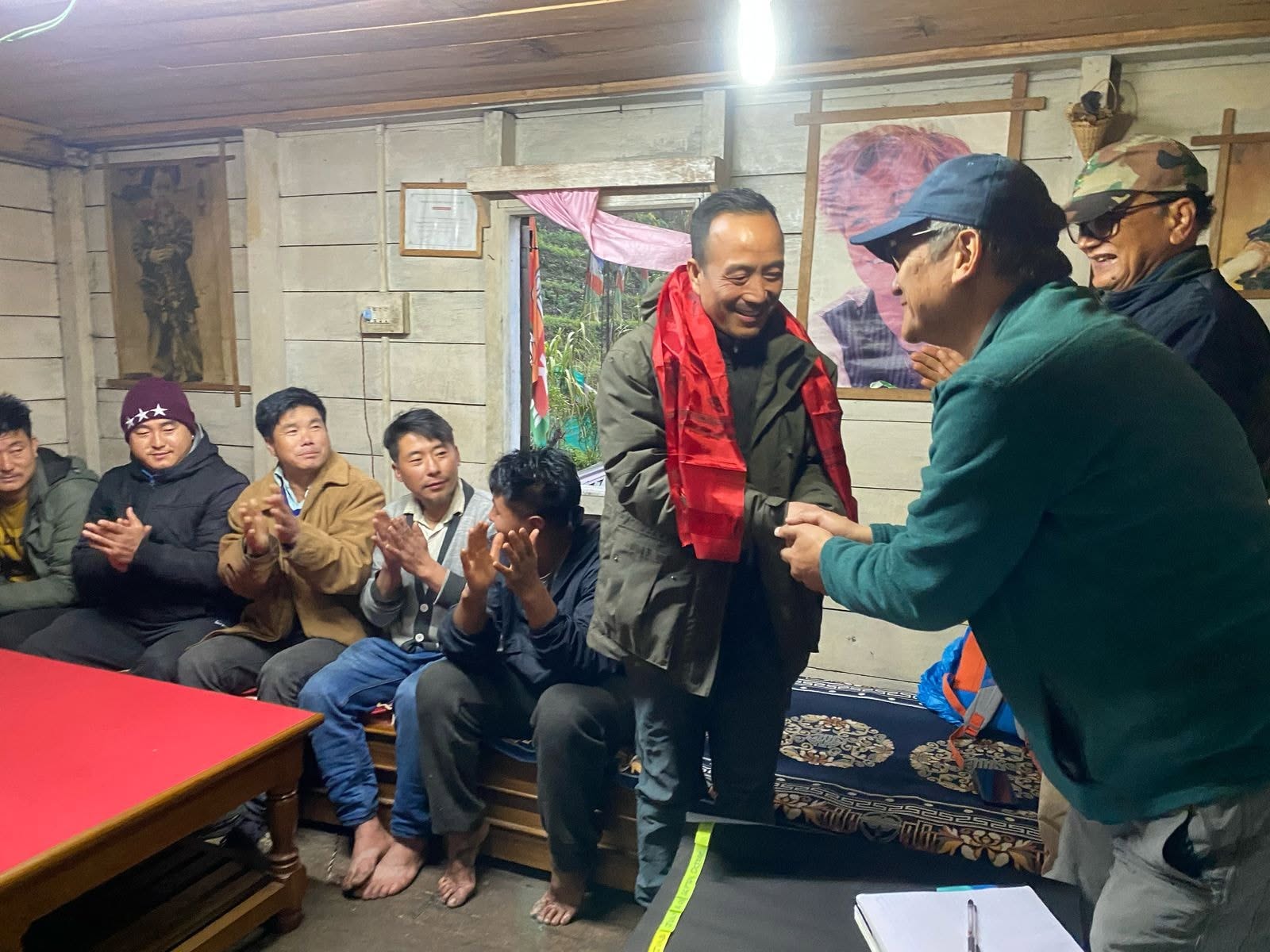
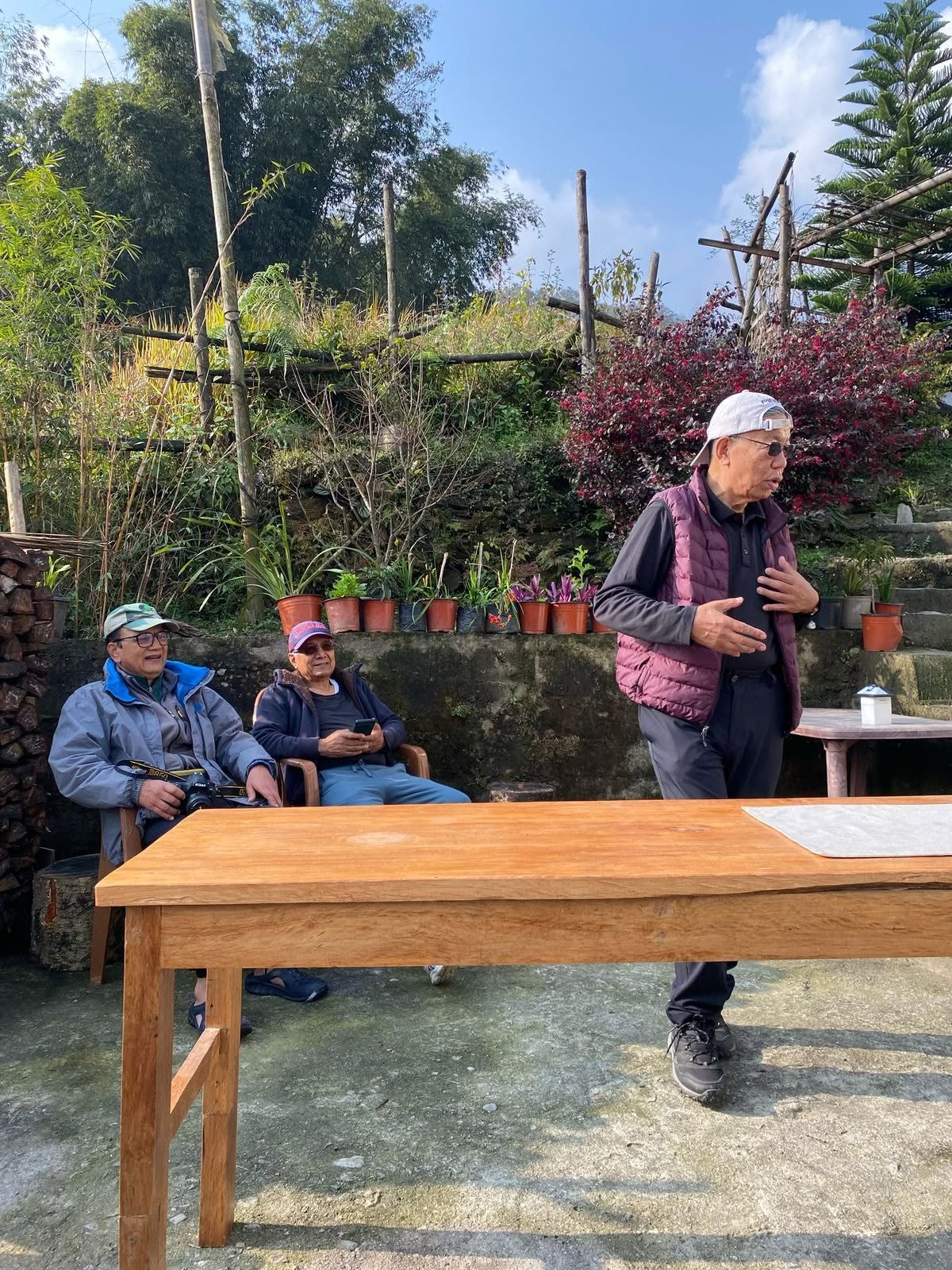
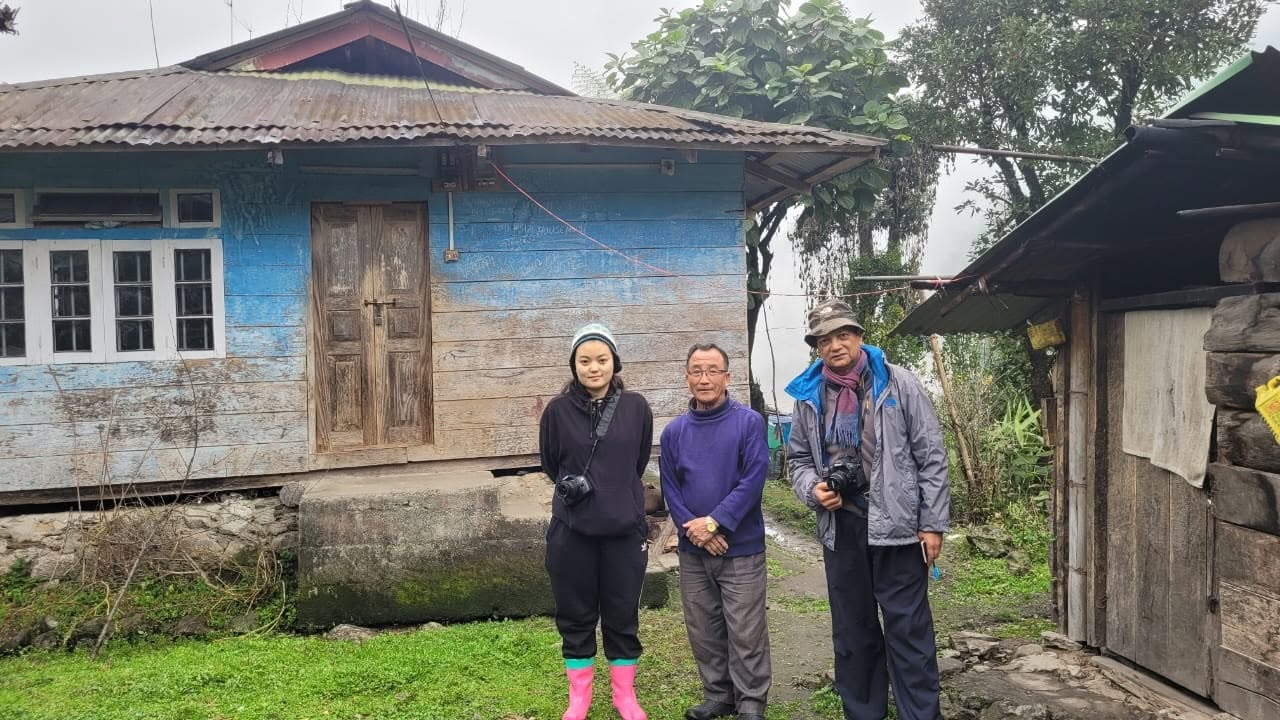
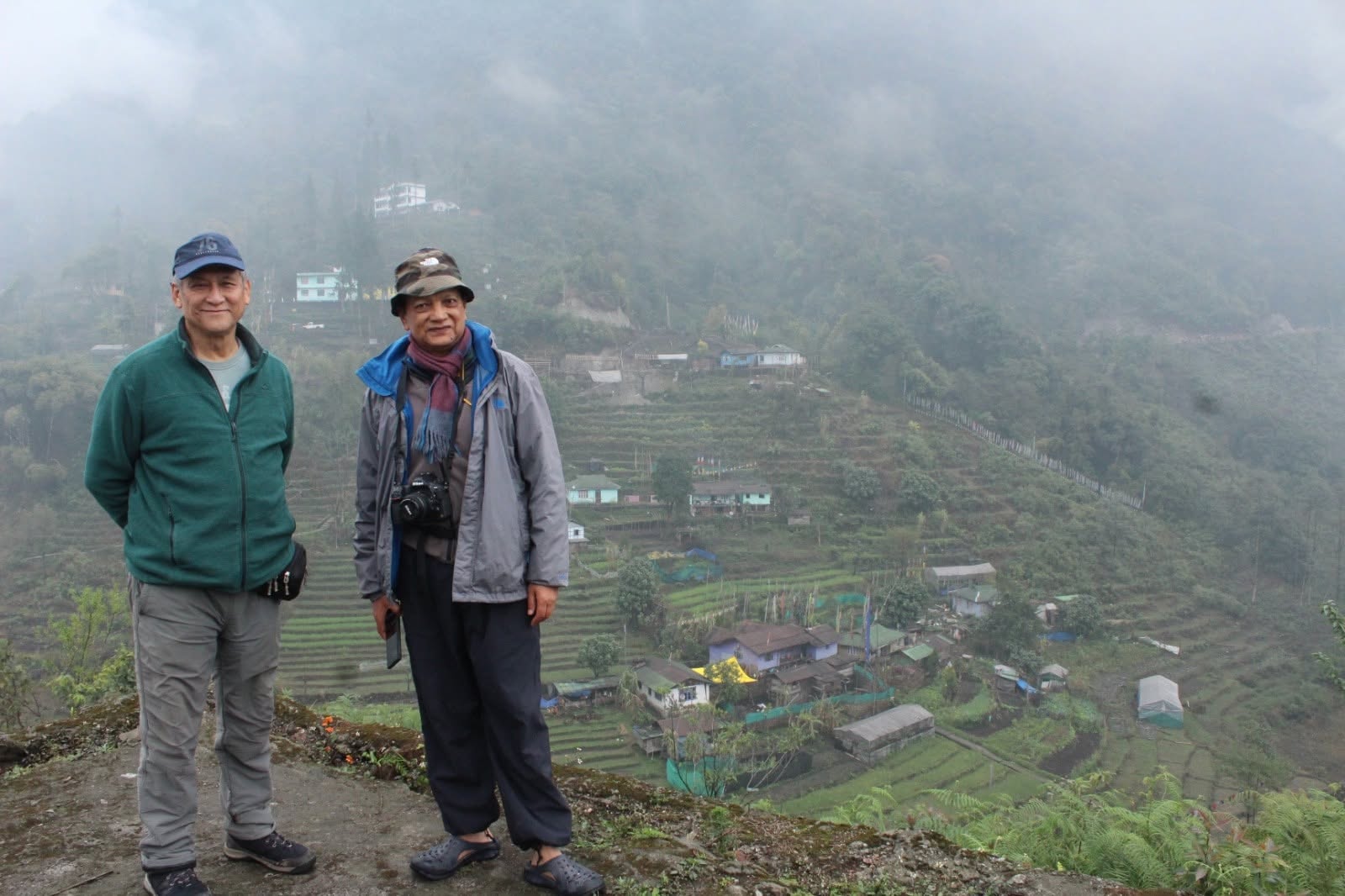
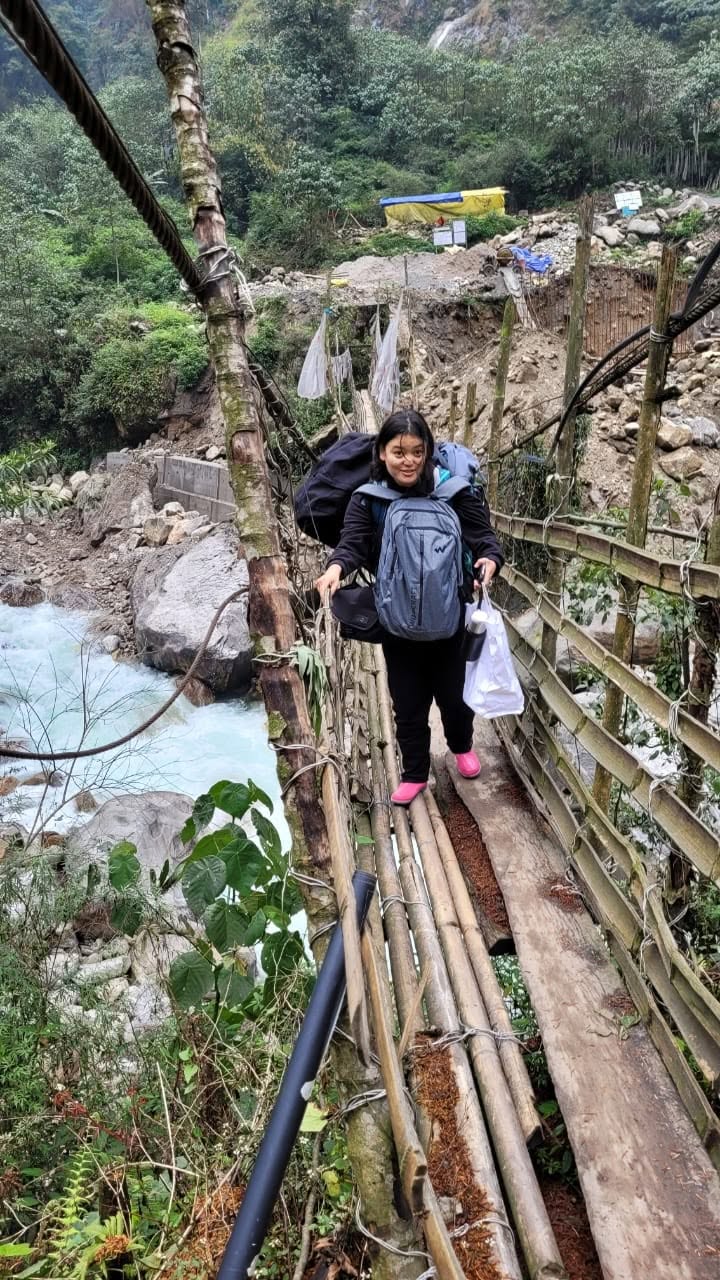
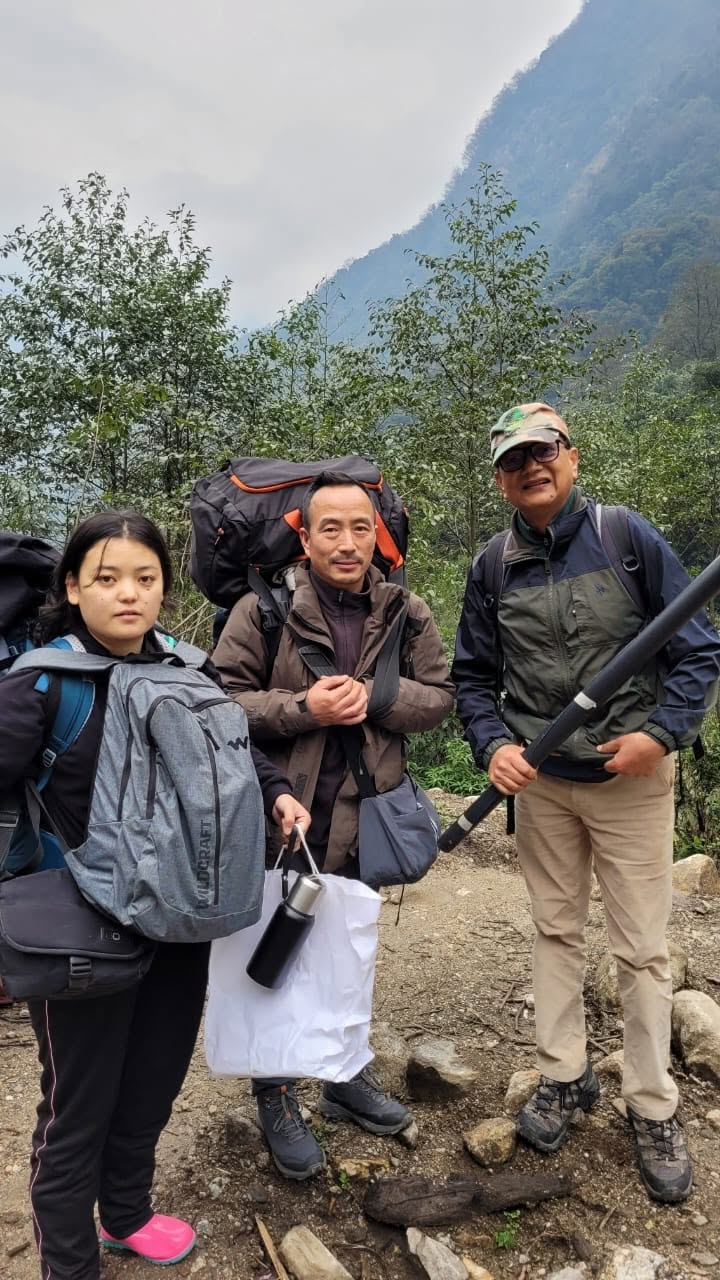
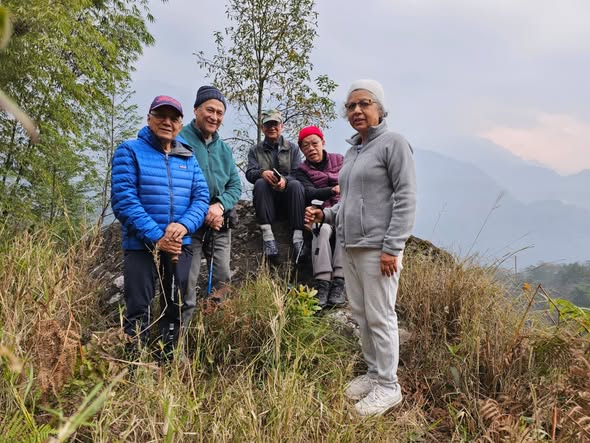
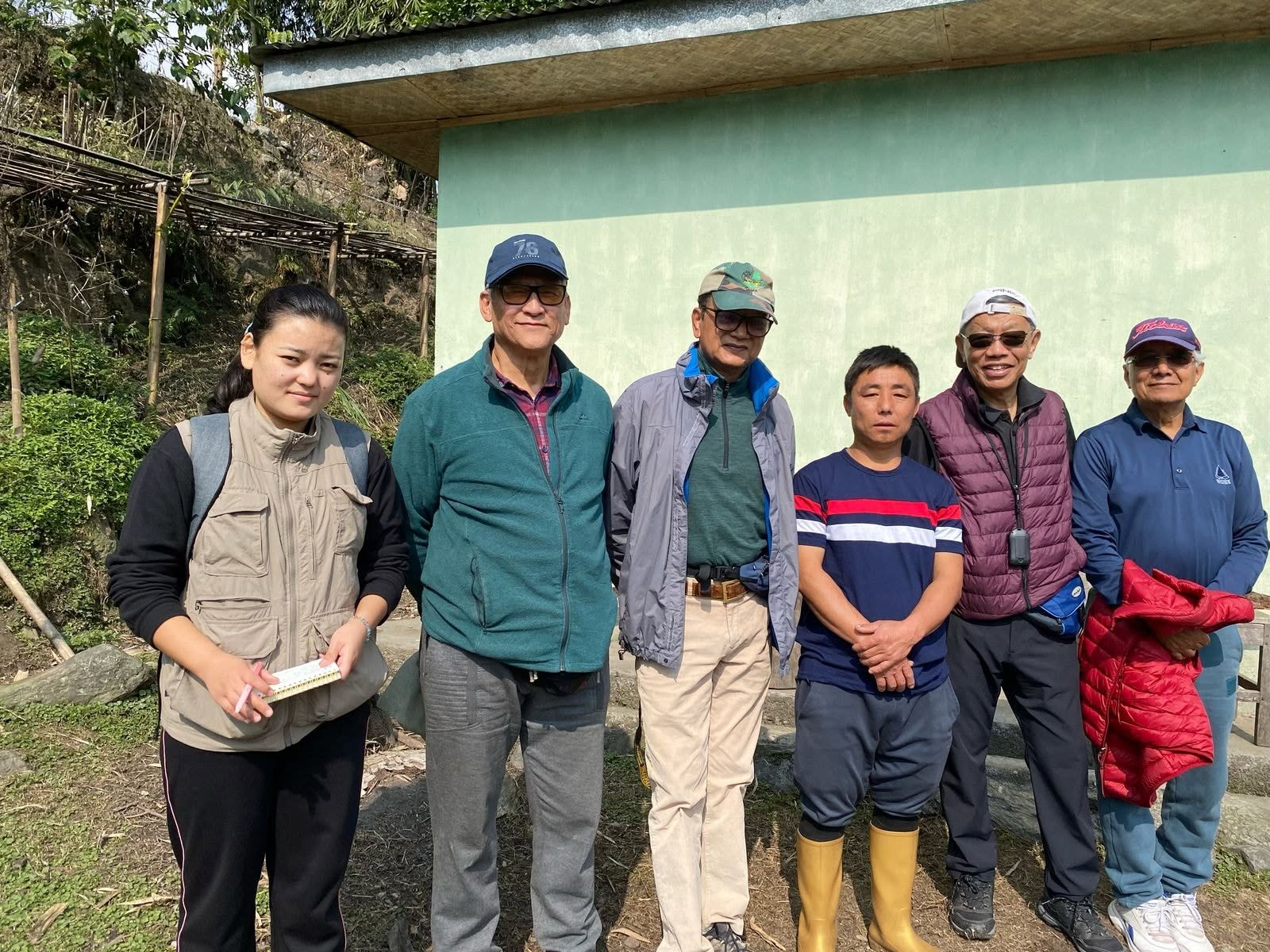
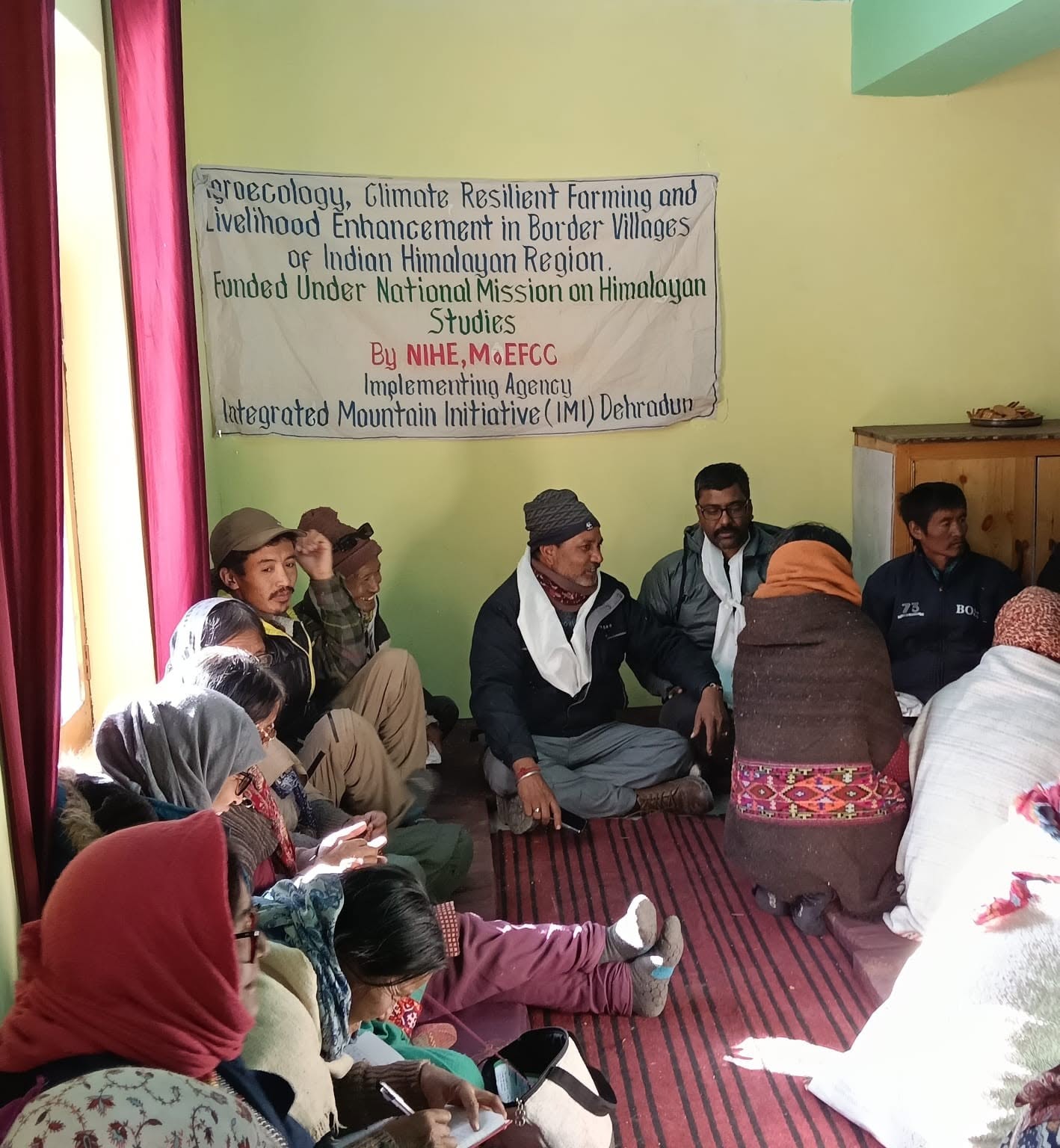
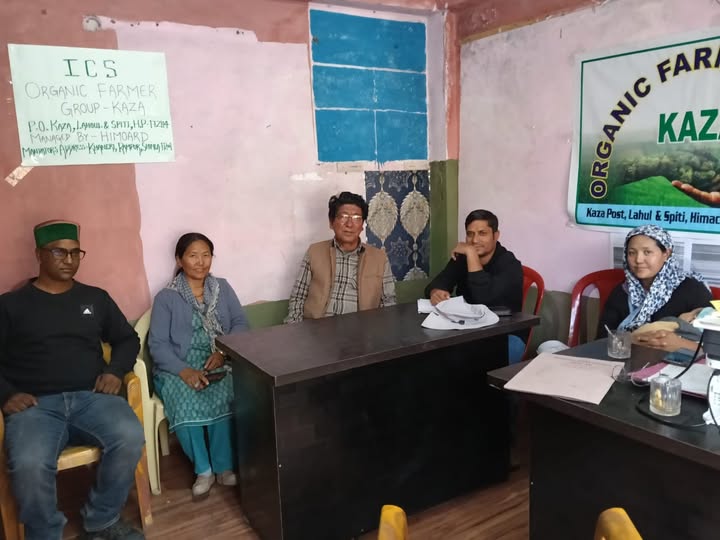
Developing traditional & threatened Himalayan Agro ecology into commercial application thereby enhancing livelihood opportunities for communities.
These villages as well as the many of the crops have not yet been mainstreamed into value chain. Communities are not aware of the high nutracuetiical properties of the crops. Novelty lies in product value addition , outreach in the region as well as the capacity building of the community where there has been very little outreach even from the government and civil society due to the sheer location of the project area.
I. COMMUNITY MOBILIZATION AND SOCIAL DYNAMICS
II. DOCUMENTATION OF AGRO-ECOLOGY LANDSCAPE AND CROP VIABILITY ANALYSIS
III. CAPACITY BUILDING OF FARMERS
IV. INTRODUCTION OF SUSTAINABLE AGRICULTURE PRACTICES
V. ESTABLISHMENT OF SEED BANKS
VI. POST HARVEST ACTIVITIES
VII. VII. MARKETING VIII. DOCUMENTATION AND ACTION RESEARCH
The project will bring about results in the following spheres:
MS BINITA SHAH
JOINT SECRETARY
TREASURER, IMI
treasurer.imi@inmi.in
MR ROSHAN PATRICK RAI
SECRETARY
IMI
secretary.imi@inmi.in
IMI SECRETARIAT
DEHRADUN OFFICE,
25, LANE 3, TEG BAHADUR ROAD,
DALANWALA, DEHRADUN,
UTTARAKHAND-248001
GANGTOK OFFICE
TAYAKHIM, J155, TADONG,
DARAGAON, GANGTOK,
SIKKIM-737102
Site by Naulak Web Design.


Publications
- Annual Reports
- Proceedings
-- MLM
-- MoMS
-- SMDS
-- Workshops
-- Youth Summit
- Policy Briefs
- Study Reports
- Webinar Archive
- THC Reports